This 10-day South Korea itinerary gives first-time visitors a balanced introduction to the country: four nights in Seoul, two nights in historic Gyeongju, two nights in coastal Busan and a final night back in Seoul. The route works without a rental car and avoids domestic flights, using Korea's high-speed and intercity rail network instead.
Information on entry procedures, transportation and operating arrangements was checked on June 10, 2026. Train times, fares, attraction hours and admission rules can change, so confirm them for your travel dates.
At a glance
| Day | Base | Main plan |
|---|---|---|
| 1 | Seoul | Arrival and neighborhood walk |
| 2 | Seoul | Gyeongbokgung, Bukchon and Insadong |
| 3 | Seoul | Market, stream and city views |
| 4 | Seoul | Choose a modern Seoul district or day trip |
| 5 | Gyeongju | Train to Gyeongju and historic center |
| 6 | Gyeongju | Bulguksa, museum and evening heritage sites |
| 7 | Busan | Travel to Busan, Gamcheon and Nampo-dong |
| 8 | Busan | Haeundae, coastal scenery and Gwangalli |
| 9 | Seoul | Return by KTX and flexible final evening |
| 10 | Departure | Airport transfer |
This plan assumes arrival and departure through Incheon International Airport. If your flight leaves from Busan's Gimhae International Airport, remain in Busan on Day 9 and remove the return journey to Seoul.
Before you book
Check your entry requirements
Visa, Korea Electronic Travel Authorization (K-ETA) and arrival declaration requirements depend on nationality and immigration status. Temporary exemptions can also change.
Use the Korea Visa Portal's Visa Navigator and the official K-ETA website rather than relying on airline blogs or commercial application agencies. The official K-ETA fee shown on June 10, 2026 was KRW 10,000, with assessment generally taking up to 72 hours, but first confirm whether you need one.
Travelers required to submit an electronic arrival declaration can use the official Korea e-Arrival Card website. As verified on June 10, 2026, submission is free and can be completed within three days before arrival. The site's navigator helps determine whether the requirement applies to you.
Reserve accommodation in three locations
Book these stays as one itinerary rather than changing hotels unnecessarily:
- Nights 1-4: Seoul
- Nights 5-6: Gyeongju
- Nights 7-8: Busan
- Night 9: Seoul
For convenient transport, consider staying near Jongno, Euljiro or Myeongdong in Seoul; Hwangnidan-gil or the intercity bus terminal area in Gyeongju; and Seomyeon, Nampo or Haeundae in Busan. Seomyeon is the most practical Busan base for travelers who want reasonable access to both the eastern beaches and western historic districts.
Book intercity trains
The main rail legs are:
- Seoul Station to Gyeongju Station
- Gyeongju Station to Busan Station
- Busan Station to Seoul Station
Gyeongju Station may appear as Gyeongju rather than the former name Singyeongju in current journey planners. It is outside the historic center, so allow additional time for a local bus or taxi.
Search live schedules and prices through KORAIL's official rail-ticket link. Do not assume every train stops at Gyeongju. Reserve seats early for Friday evenings, Sundays and Korean public holidays.
A large suitcase is permitted on trains, but luggage space near carriage doors is limited. A medium suitcase that fits on the overhead rack is easier to manage.
Day 1: Arrive in Seoul
Use the first day to recover from the flight rather than scheduling a major attraction.
Incheon Airport's railway stations are in the transportation centers on basement level B1 of Terminals 1 and 2. The Airport Railroad offers all-stop and express services toward Seoul; verify current fares and departure times through the official Incheon Airport railroad guide or AREX before traveling.
After checking in, take a short walk around your accommodation area. Good low-effort options include Cheonggyecheon Stream, the illuminated streets around Jongno or Myeongdong's shopping district. Eat nearby and finish early.
Practical tip: Buy a rechargeable transportation card at the airport or a convenience store. Seoul's official transport guide confirms that cards such as T-money can be used on buses and subways. Tap when entering and leaving buses, including on your final ride, to receive applicable transfer discounts. See the Seoul Metropolitan Government public transportation guide.
Day 2: Palaces and traditional Seoul
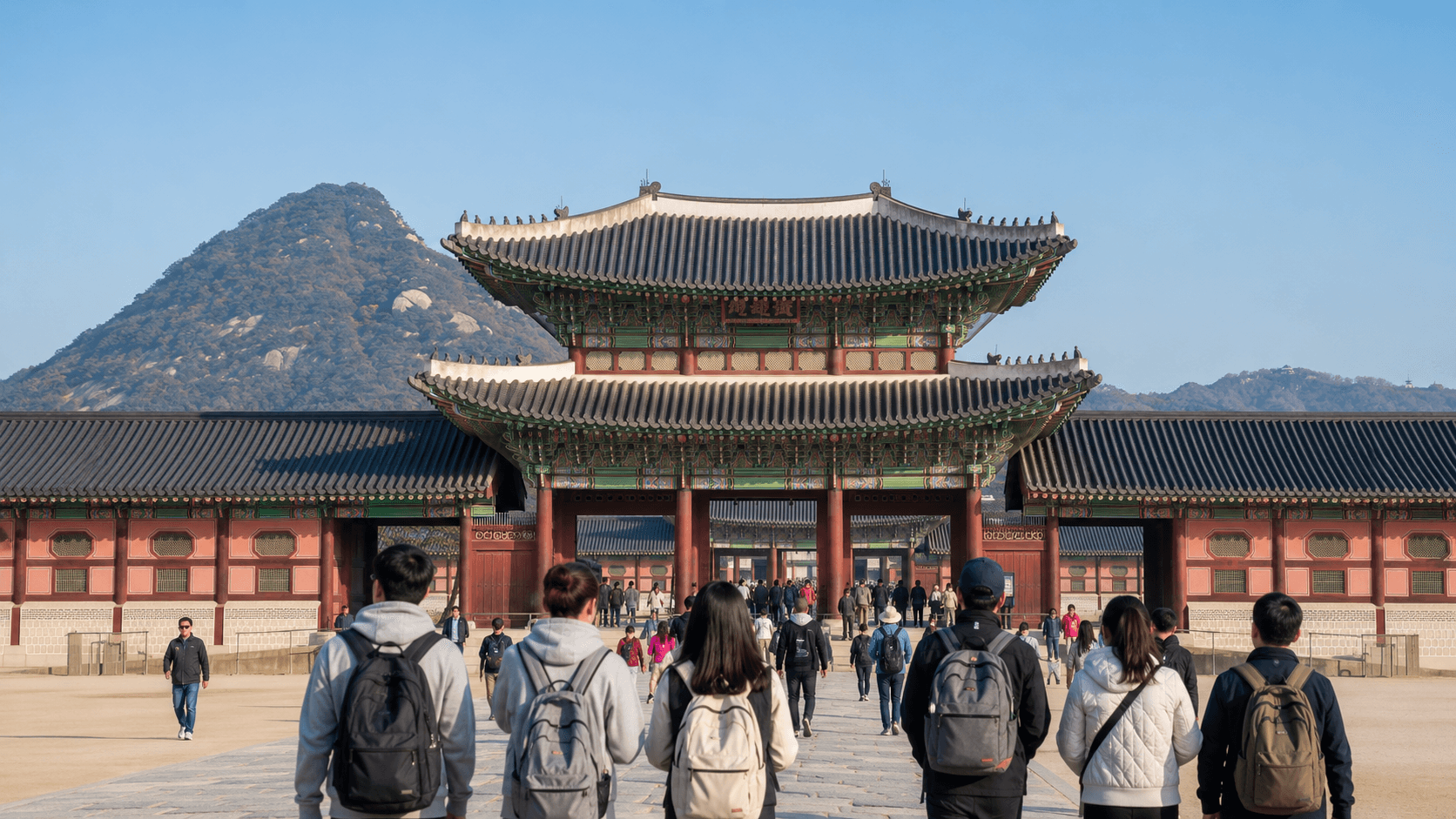
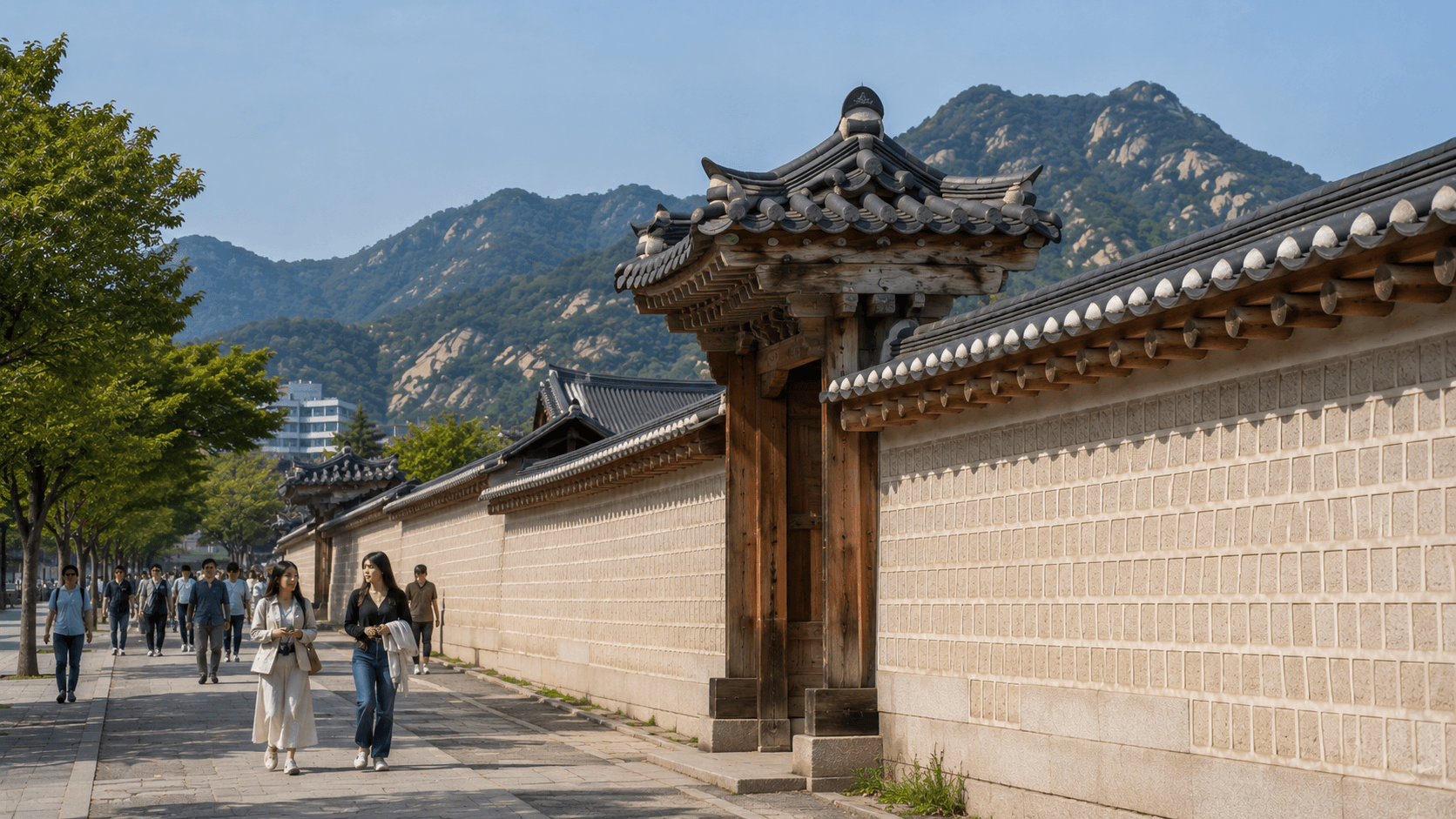
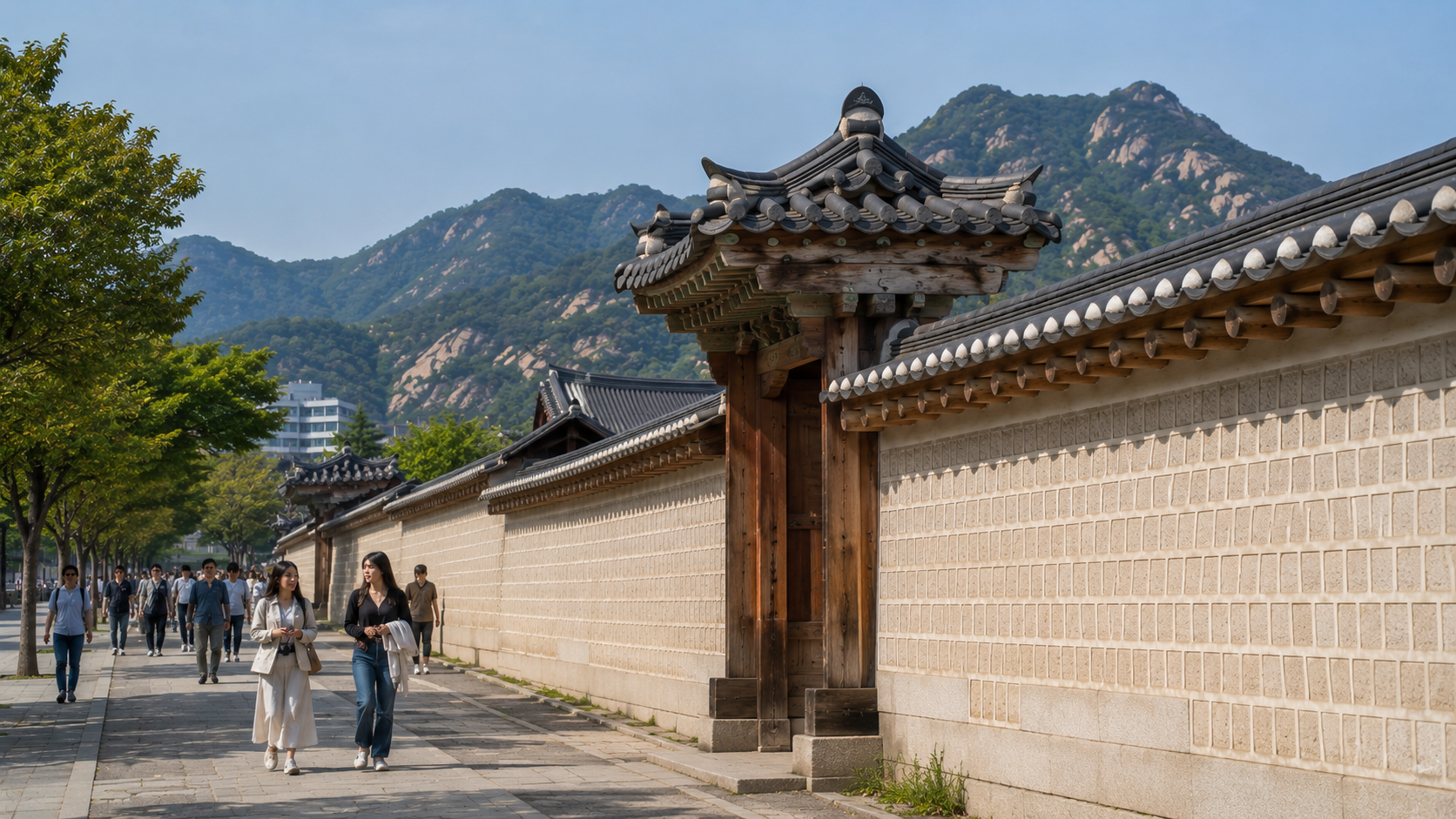
Start at Gyeongbokgung Palace, the principal royal palace of the Joseon period. Allow roughly two hours for the palace grounds. Operating hours vary by season, and the palace normally has a weekly closing day, so check the Royal Palaces and Tombs Center shortly before visiting.
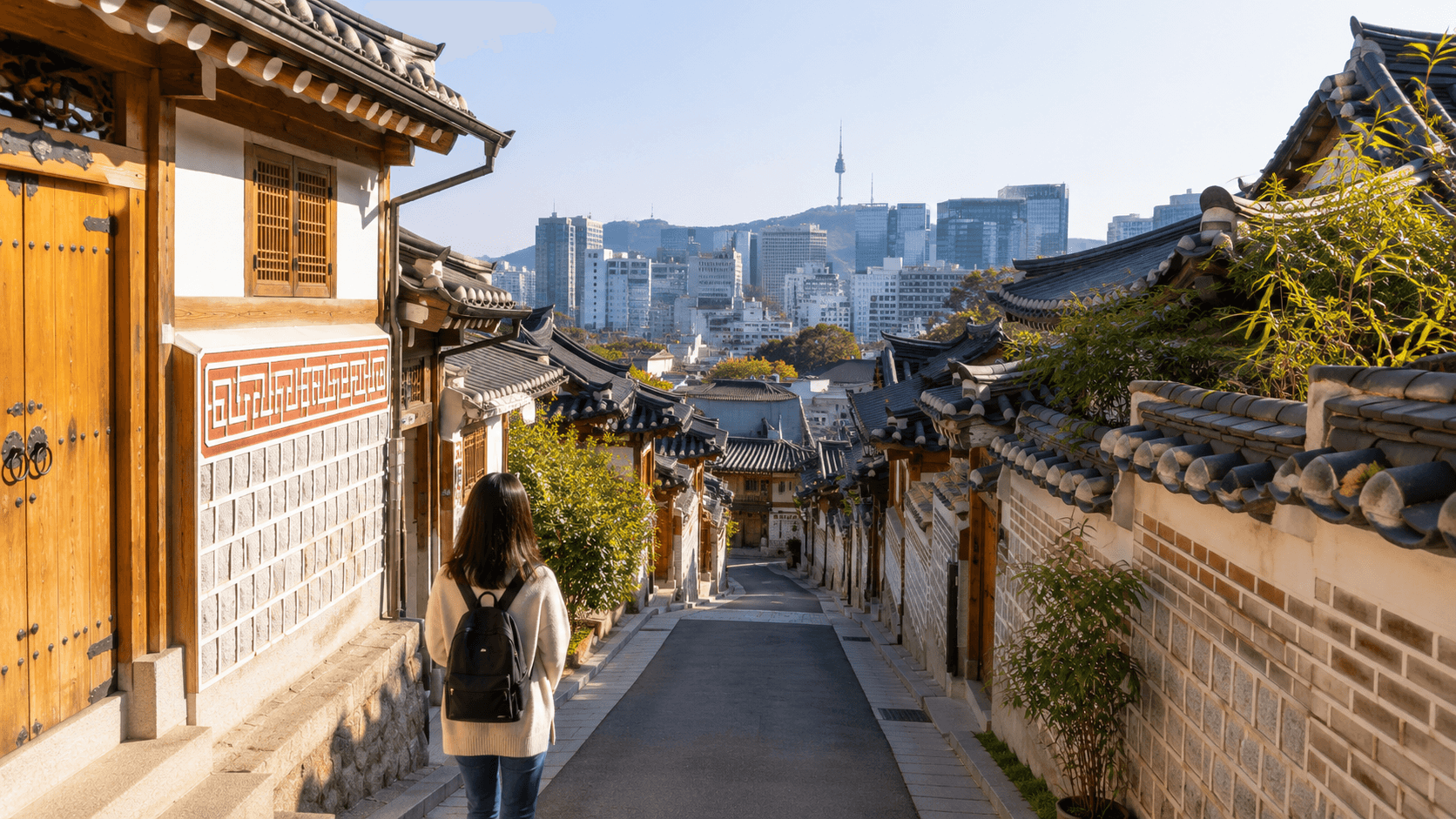
Continue to the National Folk Museum area if open, then walk toward Bukchon Hanok Village. Bukchon is a residential neighborhood, not an outdoor theme park. Keep voices low, follow signs restricting access to private alleys and avoid photographing residents or house interiors without permission.
Finish in Insadong, where traditional craft shops, galleries and tea houses are concentrated around the main street and smaller lanes. Nearby Ikseon-dong has converted hanok buildings containing cafes and restaurants, but queues can be long in the evening.
Day 3: Markets, central Seoul and a viewpoint
Begin at Gwangjang Market. It is a functioning market as well as a visitor attraction, so narrow aisles become crowded around lunch. Check prices before ordering and do not assume every stall accepts foreign credit cards. Carry some KRW in cash.
Walk or take the subway toward Dongdaemun Design Plaza, then return through the city center. Depending on your interests, visit a museum, browse Namdaemun Market or spend time along Cheonggyecheon.
For the evening, choose one viewpoint rather than crossing the city repeatedly. Namsan and the area around N Seoul Tower provide broad city views, while hills and public parks can offer alternatives without a tower ticket. Check weather and air-quality conditions before committing to a viewpoint.
Day 4: Choose your version of modern Seoul
Use this flexible day for one of the following:
Option A: Hongdae and the Han River
Explore independent shops, cafes and music-oriented streets around Hongik University. Later, visit a Han River park. Convenience stores near the parks sell picnic food, but riverside conditions can be windy or extremely hot depending on the season.
Option B: Gangnam and contemporary Seoul
Visit COEX, Bongeunsa Temple and nearby commercial districts. Bongeunsa is an active Buddhist temple; wear clothing appropriate for a religious site and avoid obstructing ceremonies.
Option C: A DMZ tour
The Demilitarized Zone cannot be treated like an ordinary independent day trip. Access, passport requirements and visited locations depend on security conditions and the authorized tour. Confirm the operator, cancellation policy and exact meeting point. Tours may be changed or canceled at short notice.
Keep the evening light because Day 5 includes a hotel change.
Day 5: Seoul to Gyeongju
Take a morning KTX from Seoul Station to Gyeongju Station. Check the live journey before booking because travel times and stopping patterns differ.
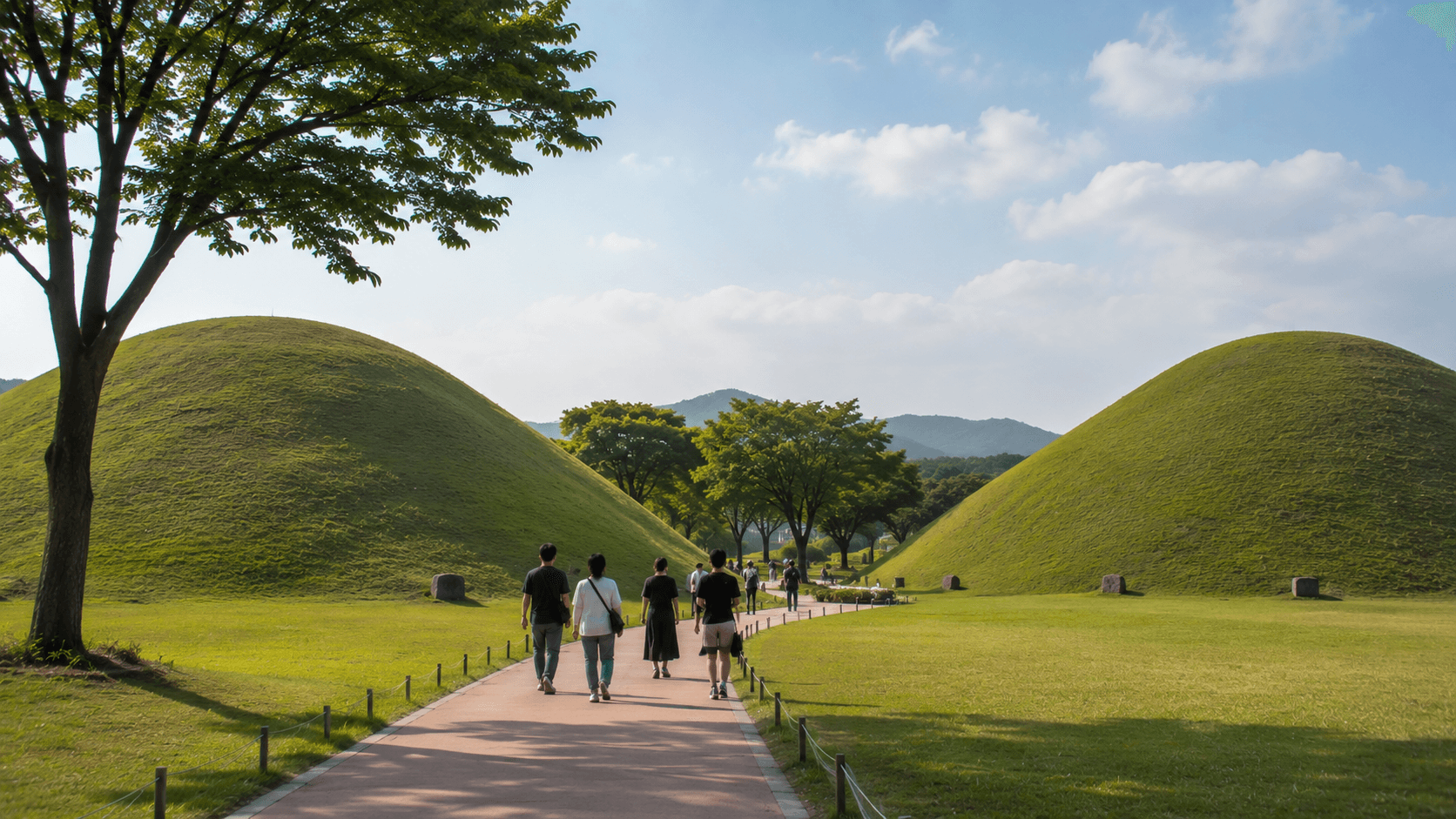
After reaching the station, use a local bus or taxi to your accommodation. Leave your luggage, then explore central Gyeongju on foot. A practical route links Daereungwon's large Silla burial mounds, the Cheomseongdae observatory area, Gyerim forest and the streets around Hwangnidan-gil.
Hwangnidan-gil is useful for meals and cafes, but it can be congested on weekends. The surrounding archaeological landscape is the more important reason to stay in this area.
Visit Donggung Palace and Wolji Pond after dark if its current operating schedule allows. The illuminated water and reconstructed pavilions make the site meaningfully different from a daytime visit. Confirm hours and ticket sales through official Gyeongju or Korea Tourism Organization information for your date.
Day 6: Bulguksa and Gyeongju's museums
Travel to Bulguksa Temple in the morning. The temple and nearby Seokguram Grotto form a UNESCO World Heritage property, but they are separate sites. Reaching both by public transportation can take much of the morning because Seokguram is farther uphill.
If mobility, weather or time is a concern, visit Bulguksa only and spend the afternoon at Gyeongju National Museum. The museum gives essential context to the royal tombs and Silla-period objects seen around the city.
Return to the center for Woljeonggyo Bridge and the riverside after sunset. Wear shoes suitable for long stretches of uneven paths and grass. Gyeongju's major sites look close on a map but collectively involve substantial walking.
Day 7: Gyeongju to Busan
Take a morning train from Gyeongju Station to Busan Station. Store your bags at the hotel before exploring western Busan.
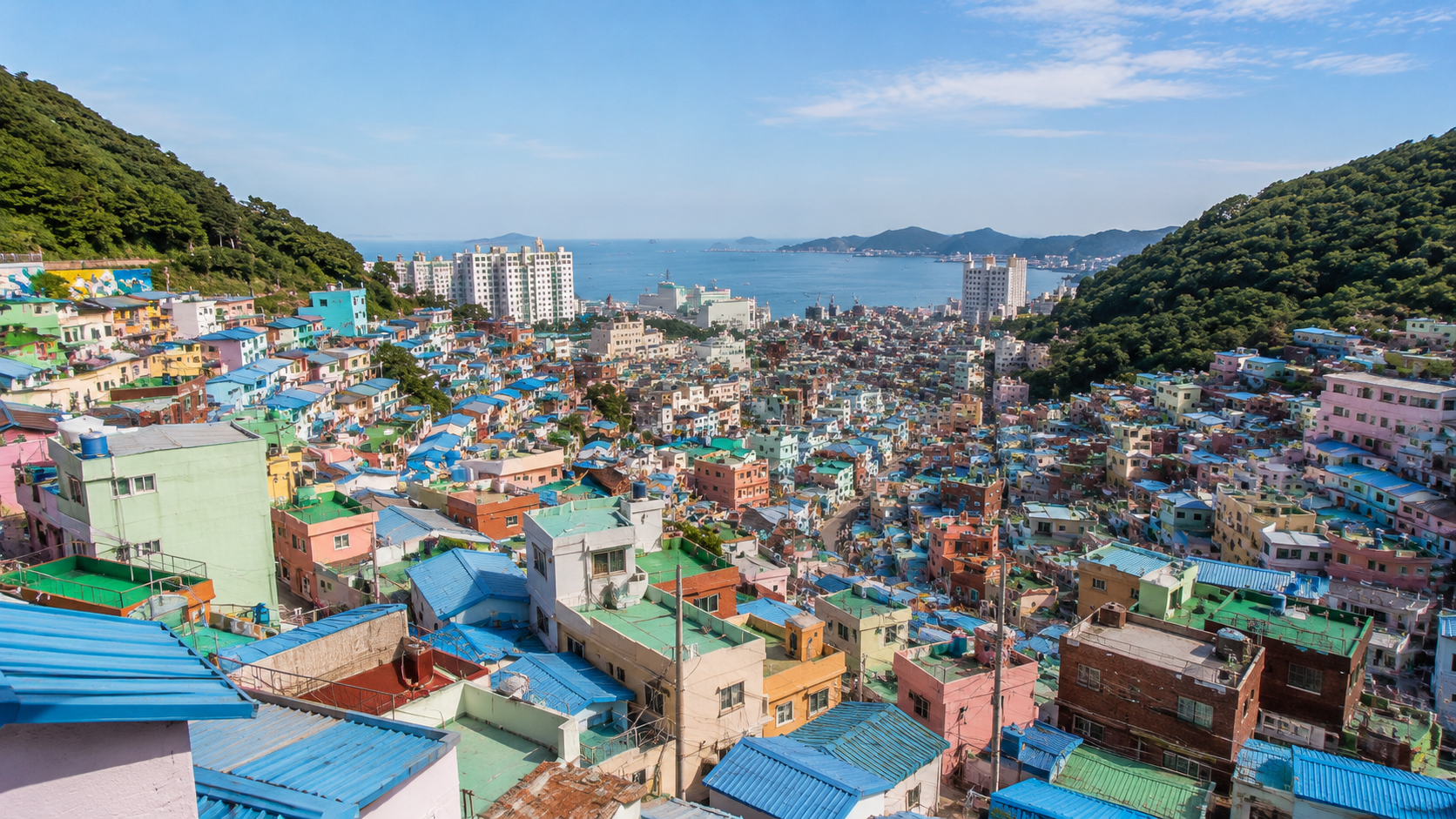
Begin at Gamcheon Culture Village. Its steep lanes contain homes as well as studios and visitor facilities, so respect residential signs and avoid blocking doorways. According to Visit Busan's official Gamcheon guide, verified June 10, 2026, the visitor area was listed as open year-round, with published hours of 09:00-18:00 from March through October and 09:00-17:00 from November through February. Entry was free, excluding parking and optional activities.
Continue to the Nampo-dong area for BIFF Square, Gukje Market and the waterfront around Jagalchi. Seafood restaurants may price dishes by weight or market rate. Confirm the total price, preparation charge and side-dish costs before ordering.
Day 8: Coastal Busan
Spend this day in eastern Busan. Start around Haeundae Beach, then choose one coastal activity based on weather and mobility.
Dongbaekseom offers a manageable waterfront walk near Haeundae. Longer coastal routes and attractions farther east require more transit time. Avoid trying to combine every beach, temple, market and observation deck in one day; Busan is geographically spread out.
In the late afternoon, move to Gwangalli Beach. The beach faces Gwangan Bridge and is particularly attractive after sunset. Check the official Visit Busan website for temporary closures, events and current visitor information.
Busan Metro is useful, but some coastal attractions still require a bus, taxi or a considerable walk from the nearest station. Build extra time into route estimates.
Day 9: Return to Seoul
Take a morning or early-afternoon KTX from Busan Station to Seoul Station. A daytime train leaves enough margin if delays occur and avoids a late-night hotel transfer.
Use the final evening for something missed earlier: shopping, a museum, a neighborhood meal or a quiet walk. Staying near Seoul Station is practical for a short final night, particularly if you plan to use the airport railroad the next morning.
Do not schedule Busan-to-Seoul travel on the same morning as an international departure unless your flight is late and you have a substantial buffer. Separate tickets do not protect you if the first journey is disrupted.
Day 10: Departure
Check your airline's terminal before leaving Seoul. Incheon Airport Terminal 1 and Terminal 2 are separate stops on the airport railroad, and traveling to the wrong terminal wastes time.
Allow for the journey to the airport, airline check-in, security and immigration. Follow your airline's recommended arrival time rather than relying on a universal rule, especially during Korean holidays or peak summer travel.
Budget and payment planning
Prices vary substantially by season and accommodation standard, so a fixed total would be misleading. Budget separately for:
- Nine nights of accommodation
- Three intercity rail journeys
- Airport transportation
- Local subway, bus and taxi fares
- Palace, museum and heritage-site admission
- Meals and cafes
- Optional tours, viewpoints and luggage services
International cards are widely accepted in hotels and larger businesses, but small markets, transportation-card reload machines and some independent restaurants may require cash or a Korean-issued payment method. Carry a modest cash reserve rather than a large amount.
Accessibility and luggage
Seoul and Busan subway stations commonly have elevators, but the accessible exit may be far from your preferred street corner. Gyeongju's heritage areas include grass, gravel and uneven ground. Gamcheon Culture Village has steep slopes and stairs.
Travelers with limited mobility should reduce the number of stops, use taxis strategically and confirm barrier-free routes with each attraction. In Seoul, the official airport guide lists staffed luggage services at locations including Seoul Station, Hongik University Station and Myeongdong Station, but availability and restrictions should be checked in advance.
What to check before you go
- Confirm visa, K-ETA and e-Arrival Card requirements through official government sites.
- Check Korean public holidays and attraction closing days.
- Reserve KTX seats, especially for weekends and holidays.
- Recheck the station name for Gyeongju.
- Confirm your Incheon Airport terminal.
- Download Naver Map or KakaoMap; international map services may provide less complete Korean transit information.
- Save accommodation names and addresses in Hangul for taxi drivers.
- Check weather, air quality and heavy-rain alerts each morning.
- Carry a transportation card and some KRW cash.
- Leave room in the schedule for long cross-city journeys in Busan.
Your next step is to book the four accommodation blocks and the three intercity train legs. Once those are fixed, adjust each day's attractions around current closing days and weather rather than changing the overall route.
Sources
- Korea Immigration Service
- Official K-ETA website
- Korea Visa Portal
- Official Korea e-Arrival Card
- KORAIL English information and ticket access
- Incheon Airport railroad guide
- Seoul Metropolitan Government public transportation guide
- Royal Palaces and Tombs Center
- Korea Tourism Organization's VISITKOREA
- Visit Busan official travel guide