Five full days give first-time visitors enough time to see Seoul's major historic sites while also experiencing its museums, neighborhoods, markets, nightlife, and riverside spaces. This itinerary keeps each day concentrated in one part of the city, but you should swap Days 1 and 2 when necessary because Gyeongbokgung Palace closes on Tuesdays and Changdeokgung Palace closes on Mondays.
All fares, admission prices, hours, and visitor restrictions below were verified on June 9, 2026. Recheck official websites shortly before your visit because seasonal hours and temporary closures can change.
At a glance
| Day | Area | Main stops |
|---|---|---|
| 1 | Jongno and northern central Seoul | Gyeongbokgung, Bukchon, Insadong, Cheonggyecheon |
| 2 | Eastern historic center | Changdeokgung, Ikseon-dong, Gwangjang Market, Dongdaemun |
| 3 | Yongsan and Namsan | National Museum of Korea, Namsan, Myeongdong |
| 4 | Western Seoul | Yeonnam-dong, Hongdae, Mangwon, Hangang River |
| 5 | Gangnam | Bongeunsa, COEX, Seonjeongneung, Gangnam or Jamsil |
This plan assumes five sightseeing days rather than including your arrival and departure days. Expect substantial walking, including hills, palace courtyards, market aisles, and subway transfers.
Before Day 1: Set up transport and navigation
Buy a rechargeable Tmoney card at a convenience store or subway station, or consider the Climate Card Tourist Pass if most of your journeys will remain within its coverage area. Tmoney works on metropolitan buses and subways, and you must tap when entering and leaving the subway and when boarding and leaving a bus to receive applicable transfer discounts.
As of June 9, 2026, Seoul's adult subway base fare is KRW 1,550 with a transport card and KRW 1,650 for a single-use ticket. Additional distance charges can apply. The city's official transport guide explains current fares and transfer rules.
The five-day Climate Card Tourist Pass costs KRW 15,000, plus KRW 3,000 for the physical card. Seoul's 2026 guide states that internationally issued credit and debit cards have been accepted for direct Climate Card purchases or recharges since March 17, 2026. Coverage is not universal, particularly outside Seoul, so check the official Climate Card information before choosing it over Tmoney.
For directions, use Naver Map or KakaoMap rather than relying exclusively on a foreign mapping service. Search destinations by their English or Korean names and check the recommended subway exit; choosing the correct exit can remove several blocks from a walk.
Day 1: Gyeongbokgung, Bukchon, and Insadong
Morning: Gyeongbokgung Palace
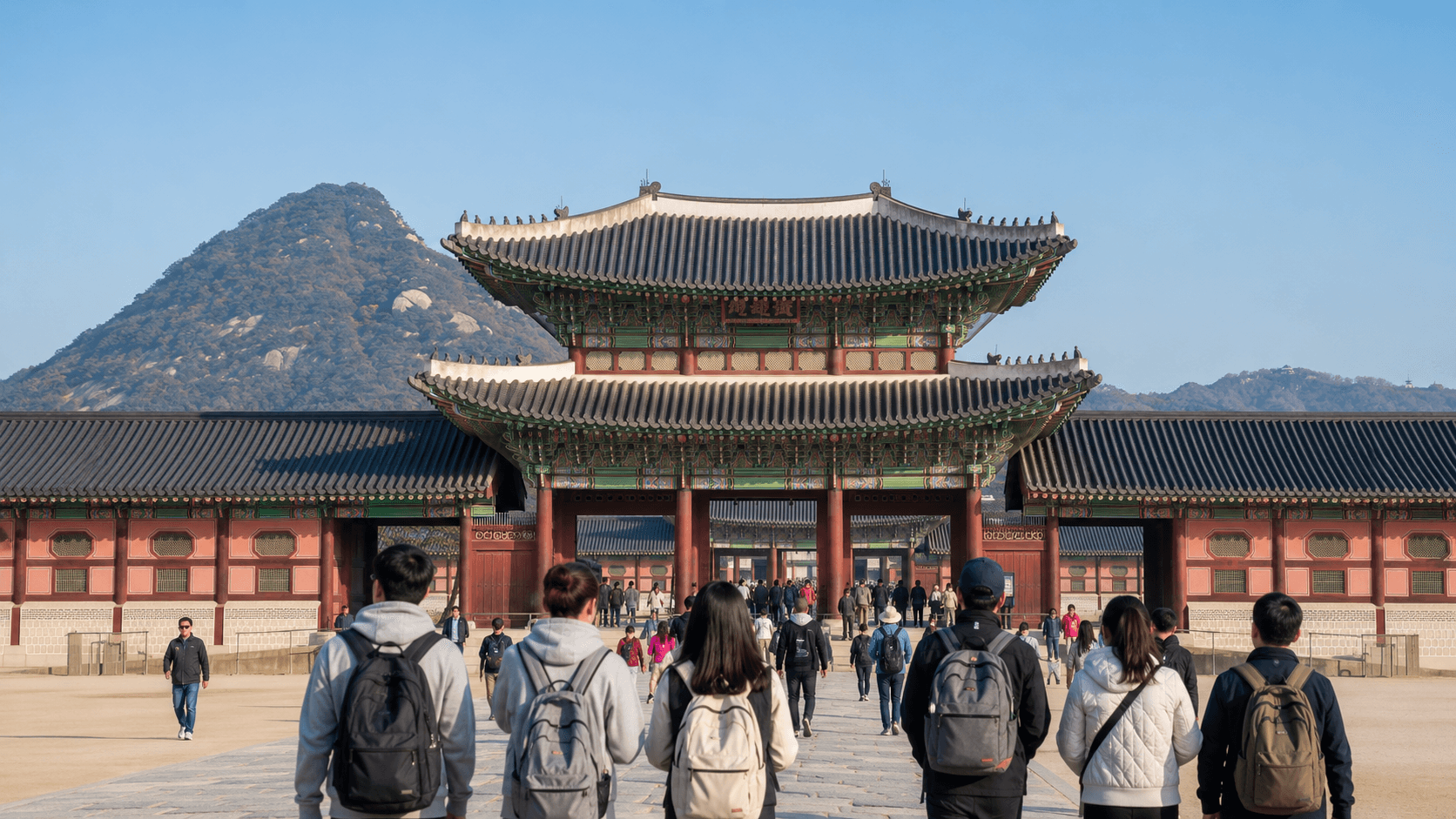
Start at Gyeongbokgung Station and allow approximately two hours for Gyeongbokgung Palace (경복궁), the principal palace of the Joseon dynasty. Enter through Gwanghwamun Gate and continue through the main ceremonial halls, residential compounds, and the grounds around Gyeonghoeru Pavilion.
Adult admission is KRW 3,000. The palace opens at 09:00 and closes at 17:00, 18:00, or 18:30 depending on the season, with final admission one hour before closing. It is normally closed on Tuesdays. If the closure falls on a public holiday or substitute holiday, the palace opens and closes on the next non-holiday instead. Confirm the applicable season on the Royal Palaces and Tombs Center hours page.
Visitors wearing qualifying hanbok, Korean traditional clothing, receive free admission under the palace authority's rules. Renting hanbok is optional, and prices and rental conditions vary by private shop. Leave time to change and store your belongings if you choose this option.
Lunch and early afternoon: Samcheong-dong and Bukchon
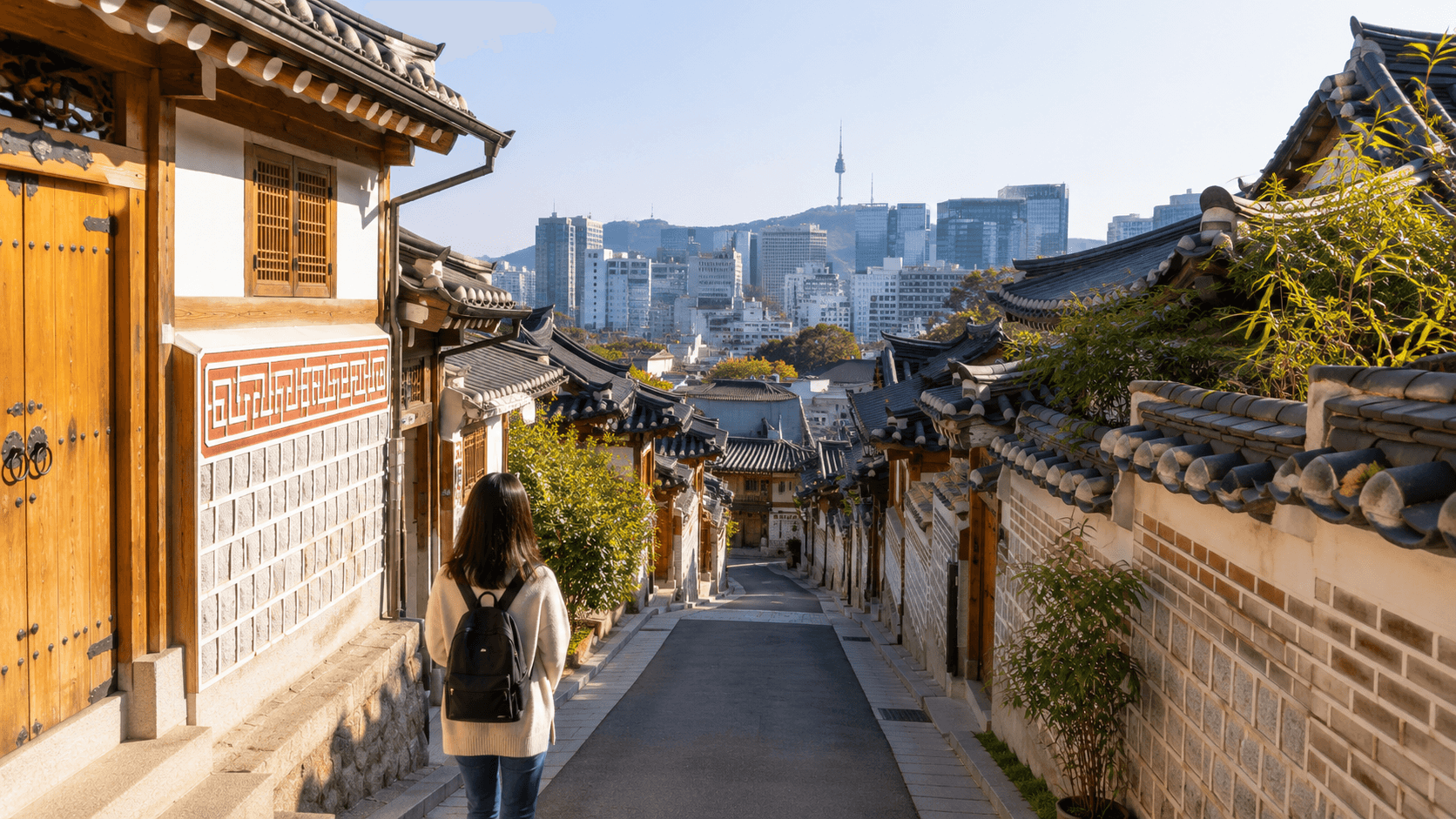
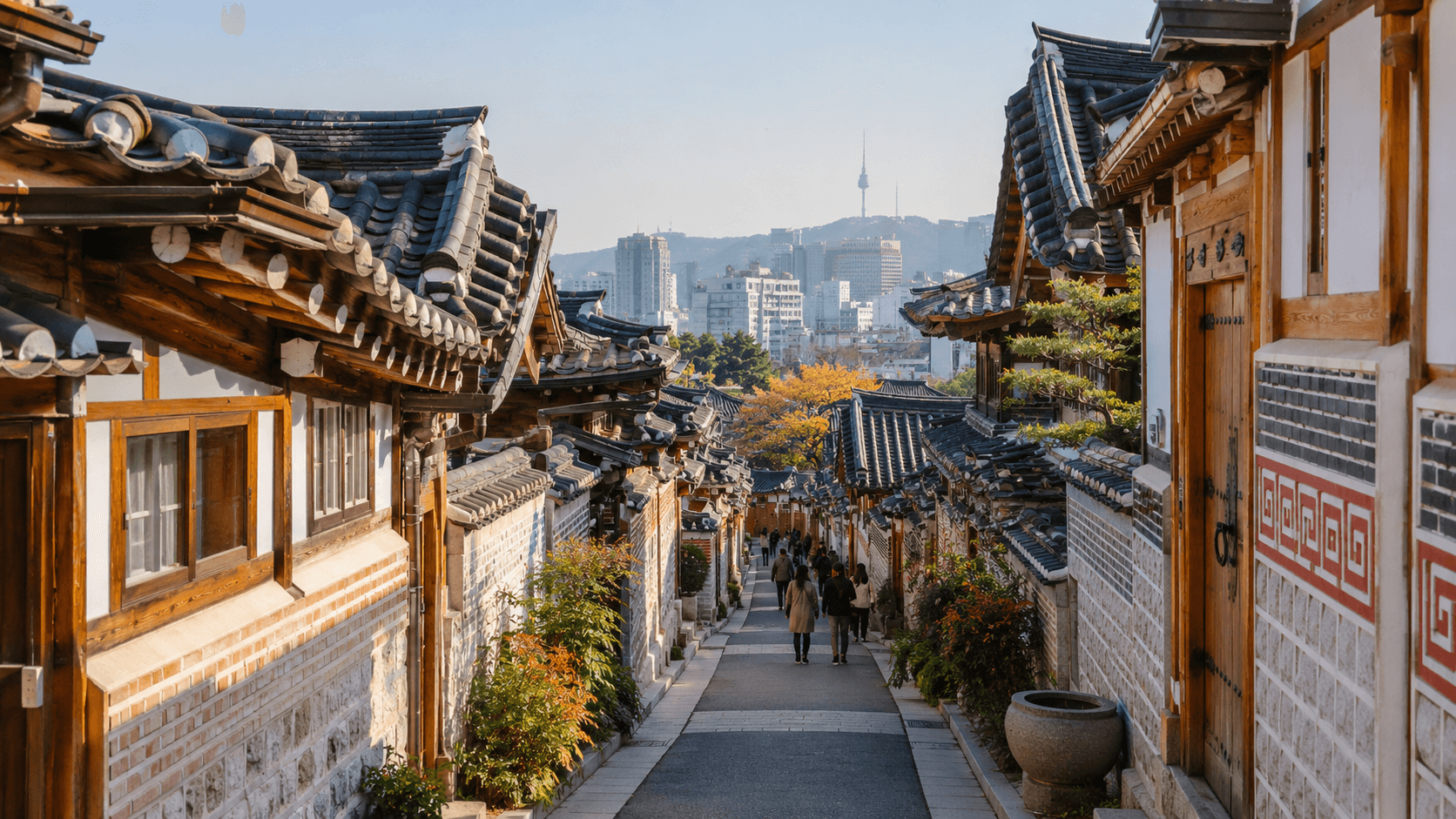
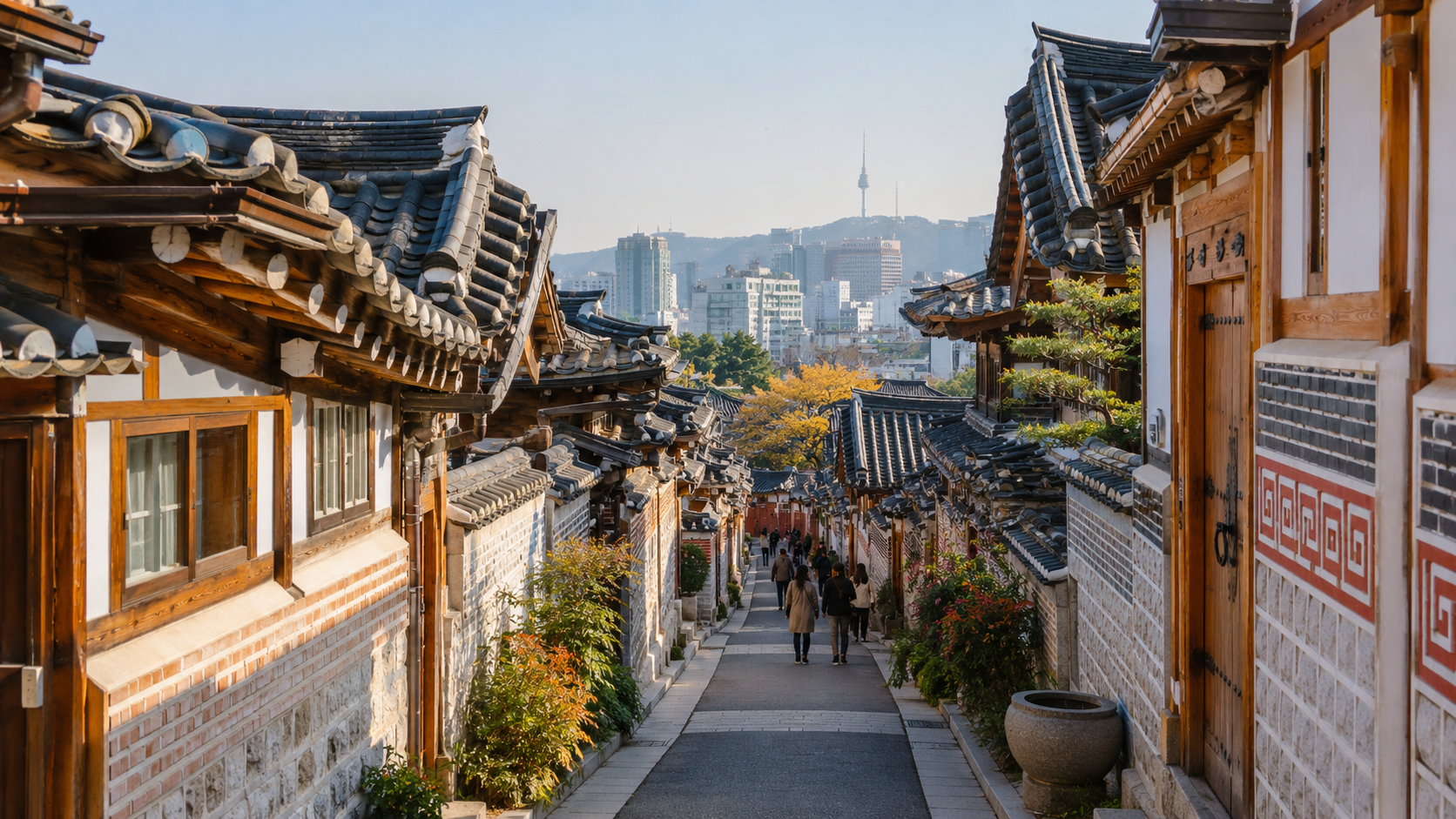
Walk east toward Samcheong-dong for lunch, then continue into Bukchon Hanok Village (북촌한옥마을). A hanok is a traditional Korean house, and Bukchon remains a residential neighborhood rather than an open-air museum.
Tourists may visit the designated Bukchon red zone around Bukchon-ro 11-gil only between 10:00 and 17:00. Access from 17:00 to 10:00 is prohibited, and violations can result in a KRW 100,000 fine. These restrictions have been enforced since March 1, 2025. Follow local signs, keep voices low, avoid photographing inside homes, and do not block entrances. See the Seoul Metropolitan Government's Bukchon restriction notice for the controlled-zone map.
Do not try to cover every alley. A practical route runs from the Bukchon Traditional Culture Center through the central lanes and then downhill toward Anguk Station.
Evening: Insadong and Cheonggyecheon
Continue to Insadong for crafts, tea shops, galleries, and souvenirs. Insadong's main street is straightforward, but the smaller side lanes are more useful for finding restaurants and traditional tea houses.
After dinner, walk south to Cheonggyecheon Stream. The central section provides an easy evening route toward Jonggak or Euljiro. Use the ramps rather than stairs when carrying luggage or using a wheelchair, and remember that access points are not equally spaced.
Day 2: Changdeokgung, Ikseon-dong, and Dongdaemun
Morning: Changdeokgung Palace and the Secret Garden
Begin at Changdeokgung Palace (창덕궁), near Anguk Station. The palace is normally closed on Mondays. General palace admission is KRW 3,000 for adults.
The Huwon, commonly called the Secret Garden, requires a separate KRW 5,000 ticket in addition to palace admission. Entry is at fixed times with limited capacity. The official authority releases online reservations from 10:00 six days before the visit through the day before, while a limited number of same-day tickets go on sale at 09:00. Tickets can sell quickly in April, May, October, and November. Check current sessions and booking rules through the official palace admission page.
If you cannot obtain a garden ticket, the main palace buildings still justify a visit. Allow about 90 minutes for the main grounds or roughly three hours when adding the garden.
Lunch: Ikseon-dong
Walk to Ikseon-dong, a compact neighborhood of adapted hanok buildings containing cafes, restaurants, and small shops. It becomes crowded around lunch and on weekends. Treat it as a meal stop rather than trying to enter every photogenic business; queues can consume much of the afternoon.
Afternoon: Jongmyo or Gwangjang Market
Choose between Jongmyo Shrine and more time at Gwangjang Market.
Jongmyo Shrine (종묘) is the royal ancestral shrine of the Joseon dynasty. Adult admission is KRW 1,000, and it is normally closed on Tuesdays. On Monday, Wednesday, Thursday, and Friday, visitors generally enter at scheduled times with a guide; official English sessions are listed at 10:00, 12:00, 14:00, and 16:00. Weekend and holiday arrangements differ. Verify the day's system on the official operating-hours page.
Gwangjang Market is better suited to travelers interested in food, textiles, and a busy market atmosphere. Bring a payment card but also carry some cash because payment arrangements vary by stall. Check the displayed menu and price before ordering, especially where dishes are sold by portion rather than individually.
Evening: Dongdaemun and DDP
Continue east to Dongdaemun Design Plaza, usually called DDP. Walk around the building and neighboring plazas, then browse the surrounding retail streets if shopping interests you. Individual exhibitions and shops maintain their own hours and admission policies, so check the event listing for your date rather than assuming the entire complex follows one schedule.
Day 3: National Museum, Namsan, and Myeongdong
Morning and early afternoon: National Museum of Korea
Take the subway to Ichon Station for the National Museum of Korea. Its permanent collection provides useful historical context for the palaces and neighborhoods visited earlier.
Permanent-gallery admission is free, although selected special exhibitions charge separately. Since March 16, 2026, regular hours have been 09:30-17:30 on Monday, Tuesday, Thursday, Friday, and Sunday, and 09:30-21:00 on Wednesday and Saturday. Final admission is 30 minutes before closing. Certain galleries close on the first Monday of June, September, and December in 2026. Consult the museum's official visitor information before going.
The building has lockers, free coat storage, wheelchairs, strollers, restaurants, and accessible facilities. Two to three hours is enough for a selective visit; trying to see every gallery can occupy most of the day.
Late afternoon: Namsan Park
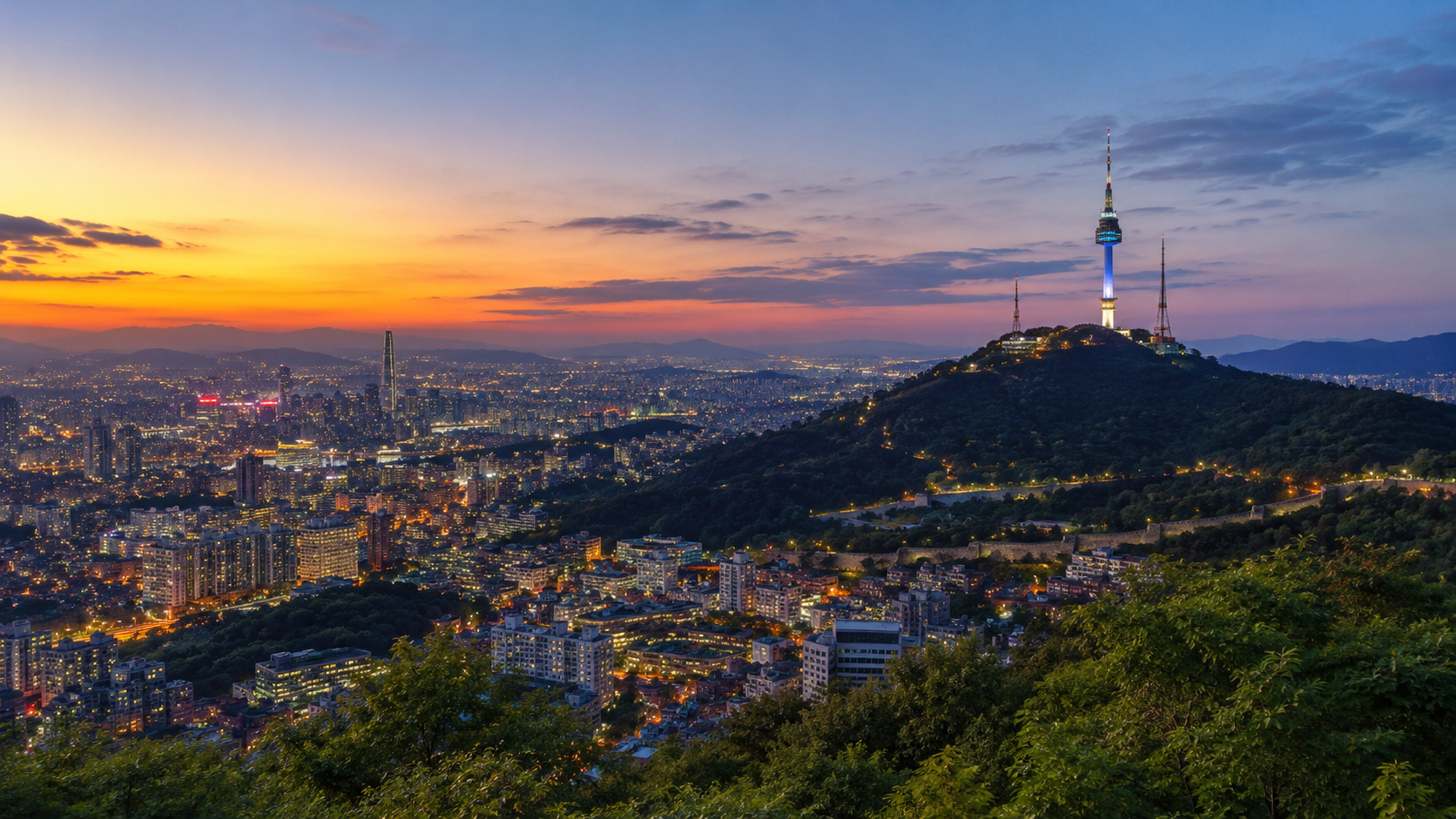
Travel toward Myeongdong or Chungmuro and ascend Namsan. The free option is to walk through Namsan Park. The easier paid option is the Namsan Cable Car, listed by Seoul's official tourism guide as operating daily from 10:00 to 23:00. As verified on June 9, 2026, the listed adult fare is KRW 12,000 one way or KRW 15,000 round trip. Operations can change because of weather or maintenance, so check the official Seoul cable-car listing that morning.
You do not need to buy an observatory ticket to enjoy views from the public areas around N Seoul Tower. Sunset is attractive but busy, so arrive earlier if avoiding queues matters more than seeing the city lights.
Evening: Myeongdong
Descend into Myeongdong for dinner and shopping. Compare posted prices before buying cosmetics, and request tax-refund documentation only from participating retailers if you meet the applicable requirements. Street-food vendors may have limited seating and different payment options, so keep a small amount of cash available.
Day 4: Yeonnam-dong, Hongdae, and the Hangang River
Morning: Yeonnam-dong
Start near Hongik University Station and walk through Yeonnam-dong. Follow part of the Gyeongui Line Forest Park, a former railway corridor converted into a linear public space. This is deliberately a slower morning after three sight-heavy days.
Cafe opening times vary, and smaller businesses may open closer to midday. Choose breakfast near your accommodation if you need an early meal.
Afternoon: Hongdae and Mangwon Market
Continue into Hongdae, the commercial and cultural district around Hongik University. Browse independent shops, photo booths, music stores, and side streets before taking the subway or a bus to Mangwon Market.
At Mangwon, order modest portions from several vendors instead of committing to the first stall. Dispose of packaging in the bins provided by the vendor or market; public rubbish bins are less common than some visitors expect.
Evening: Mangwon Hangang Park
Walk or take a short bus ride to Mangwon Hangang Park. Convenience stores near riverside parks commonly sell drinks and picnic food, but rules for rentals, deliveries, and recreational equipment can change. Confirm prices before accepting mats, bicycles, or other equipment from a private operator.
The riverside can be windy and noticeably cooler after sunset. Bring an extra layer outside midsummer and check Seoul's weather and air-quality forecast before planning a long picnic. Return by subway before the final service rather than assuming trains run throughout the night; last-train times depend on the station, line, direction, and day.
Day 5: Bongeunsa, COEX, and southern Seoul
Morning: Bongeunsa and COEX
Take Subway Line 9 to Bongeunsa Station. Visit Bongeunsa Temple (봉은사) quietly before crossing to the COEX complex. Temple buildings remain active religious spaces: wear suitable clothing, speak softly, and do not photograph ceremonies at close range without permission.
Inside COEX, locate Starfield Library and use the mall for lunch or a weather-proof break. The library is a public commercial-space attraction rather than a silent academic reading room, so expect visitors taking photographs.
Afternoon: Seonjeongneung
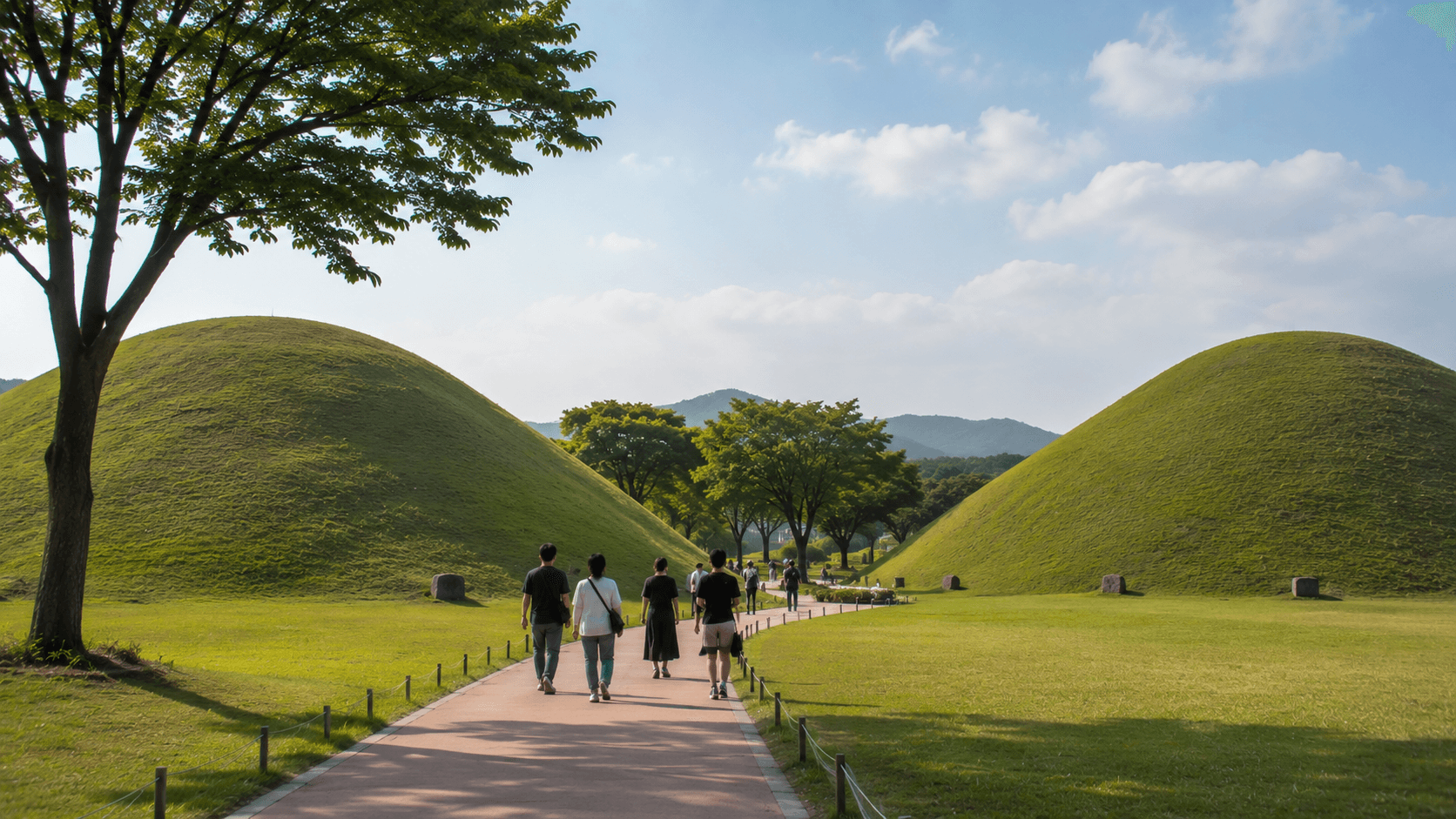
Continue to Seonjeongneung, a group of Joseon royal tombs in central Gangnam. The site gives you a wooded walking route and a different form of royal architecture from the palaces.
Adult admission is KRW 1,000. From March through October, the official schedule lists opening from 06:00 to 21:00, with final admission at 20:00. Winter hours are shorter, and the site is normally closed on Mondays. Verify seasonal details on the Royal Palaces and Tombs Center schedule.
Paths include slopes and uneven outdoor surfaces. Travelers with limited mobility should review the current access information or contact the site before visiting.
Evening: Choose Gangnam or Jamsil
For a simple final evening, remain around Gangnam Station for restaurants and shops. For a skyline-focused finish, travel east to Jamsil and walk around Seokchon Lake. Paid attractions in Jamsil can require timed tickets and have variable prices, so reserve directly through the operator if you decide to add one.
Avoid scheduling a distant attraction late on Day 5 if you have an early flight the following morning. Seoul's size and interchange stations make short map distances slower than they appear.
Practical budget and pacing
Confirmed fixed costs in this itinerary are low: Gyeongbokgung costs KRW 3,000, Changdeokgung's main grounds cost KRW 3,000, the optional Secret Garden costs another KRW 5,000, Jongmyo costs KRW 1,000, and Seonjeongneung costs KRW 1,000. The National Museum's permanent galleries and outdoor areas at Namsan are free.
Food and shopping costs vary too widely for a reliable fixed daily estimate. A practical approach is to set separate budgets for meals, cafes, shopping, and paid views rather than buying every optional attraction. The KRW 6,000 integrated palace ticket can be useful if you intend to enter all four major palaces and Jongmyo within its validity period; it excludes the Changdeokgung Secret Garden.
Build at least one flexible hour into each day. Subway stations can be large, palace grounds involve long walks, and popular restaurants may have queues. This plan works better when treated as a route rather than a minute-by-minute schedule.
What to check before you go
- Confirm that Day 1 does not fall on Gyeongbokgung's Tuesday closure and Day 2 does not fall on Changdeokgung's Monday closure.
- Reserve the Changdeokgung Secret Garden as soon as your booking window opens.
- Check the Bukchon red-zone map and visit only between 10:00 and 17:00.
- Review temporary palace, museum, and gallery closures.
- Check Seoul's weather, heat, rain, and air-quality forecasts.
- Save Korean names and addresses for your accommodation and main destinations.
- Confirm the final subway or bus service before staying out late.
- Carry a physical payment card and some KRW cash as backups.
- Wear shoes suitable for 15,000 or more steps on several days.
- Leave luggage at your accommodation or a verified station locker instead of carrying it through markets and palaces.
Sources
- Seoul Metropolitan Government: Modes of Transport
- Seoul Metropolitan Government: Climate Card
- Royal Palaces and Tombs Center: Operating Hours
- Royal Palaces and Tombs Center: Admission Fees
- Seoul Metropolitan Government: Bukchon Visitor Restrictions
- National Museum of Korea: Visitor Information
- Official Seoul Tourism Guide: Namsan Cable Car
Before fixing the route to specific dates, place your five days on a calendar and swap the palace days around their Monday and Tuesday closures.