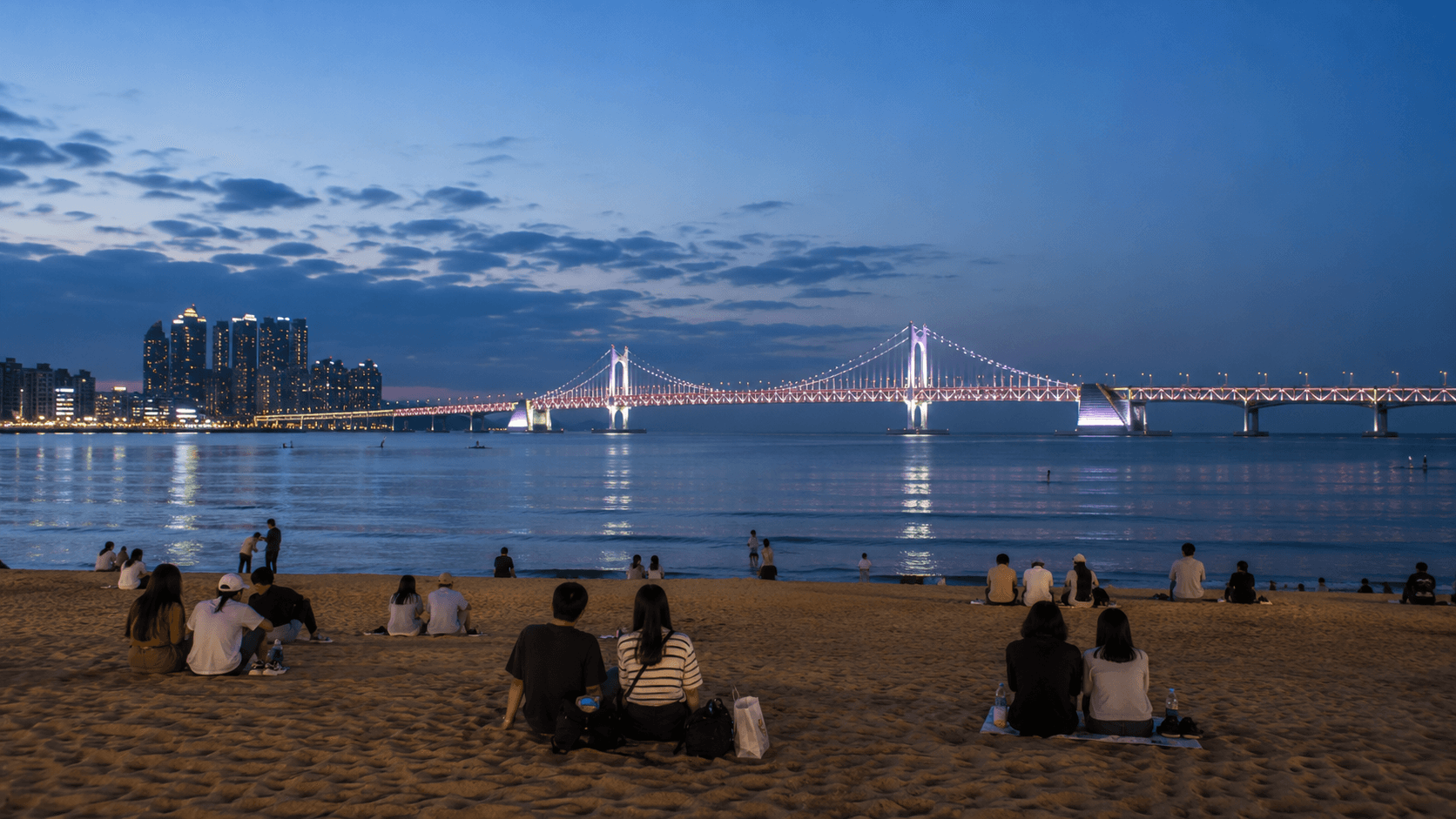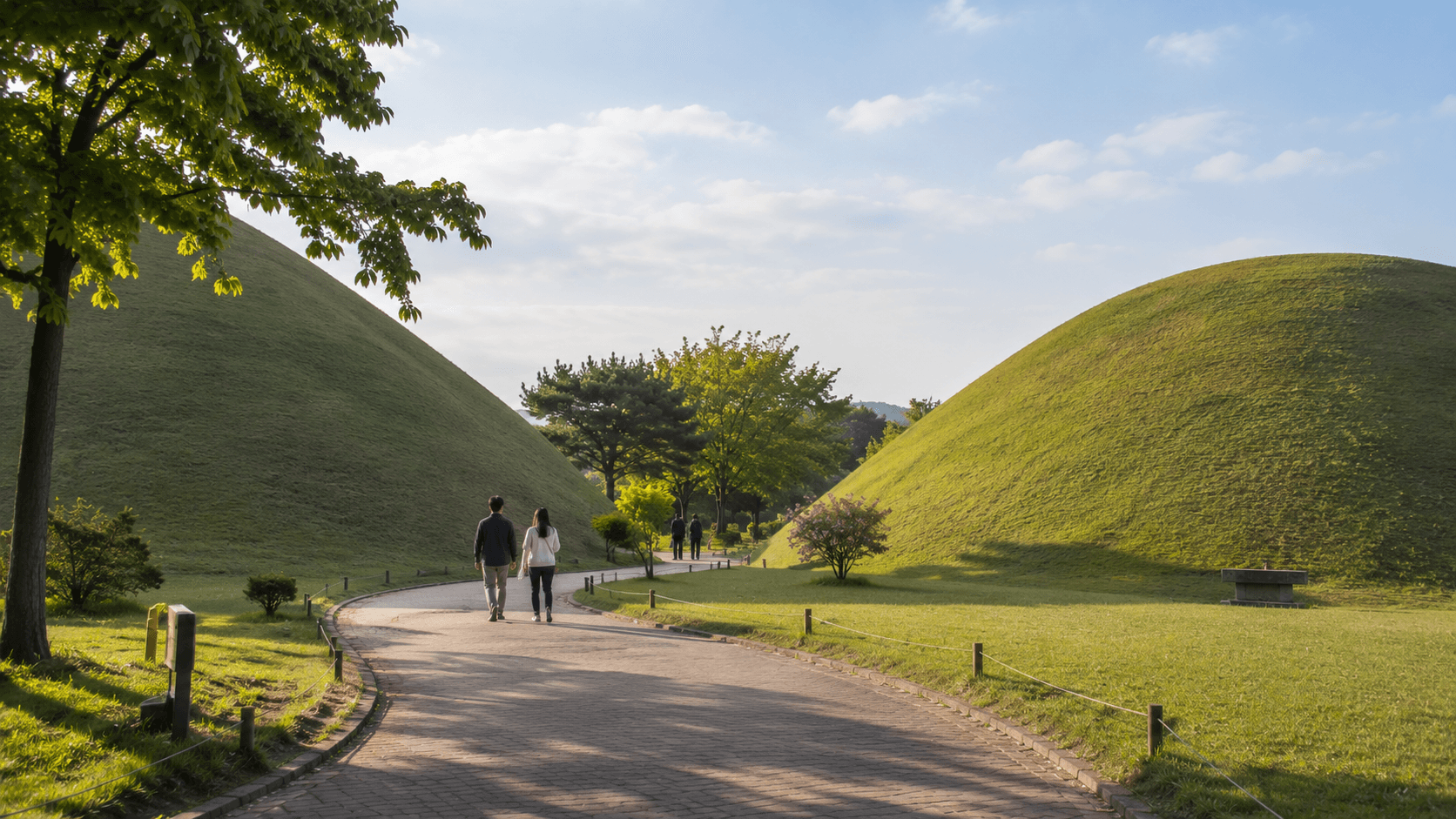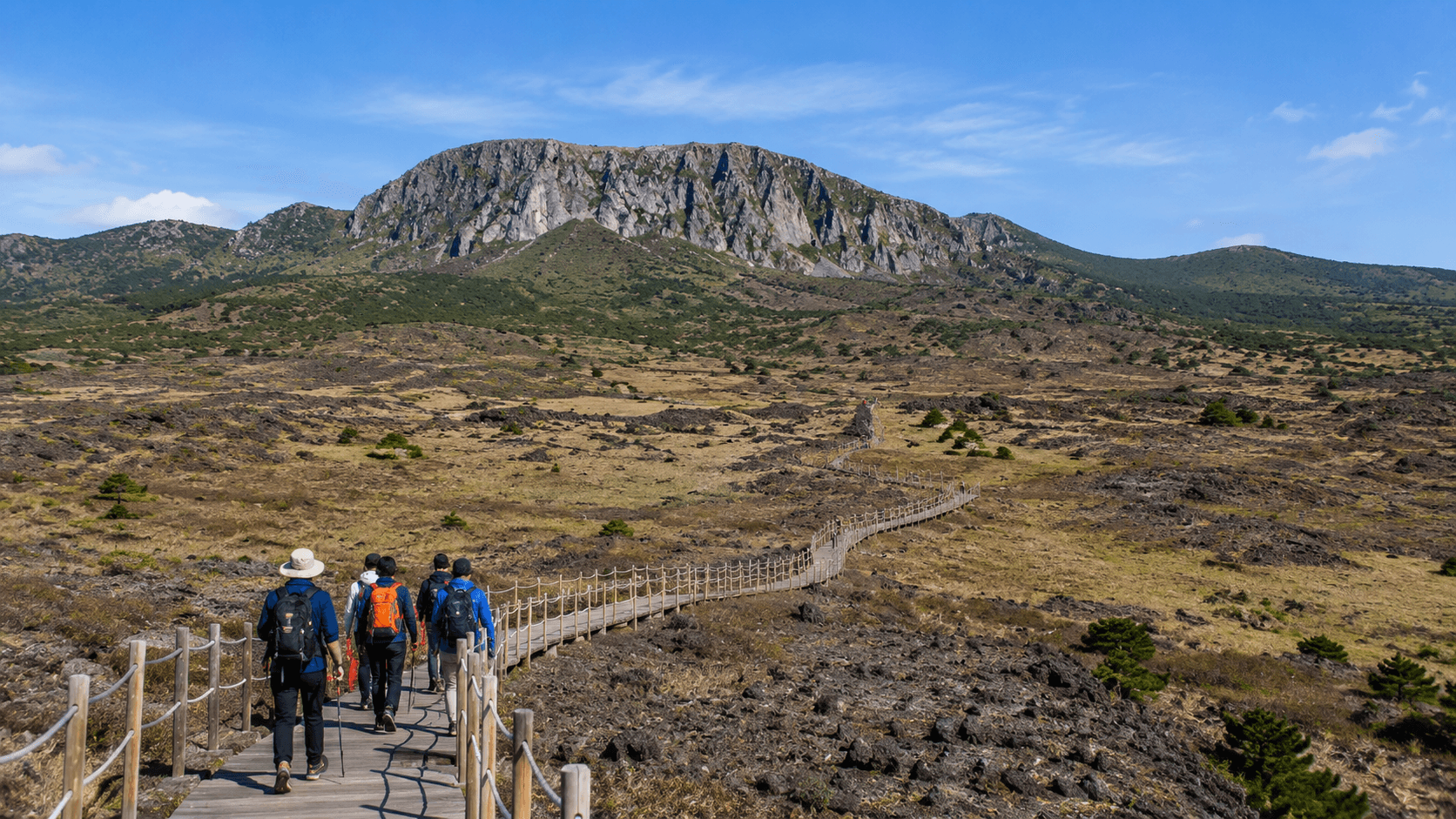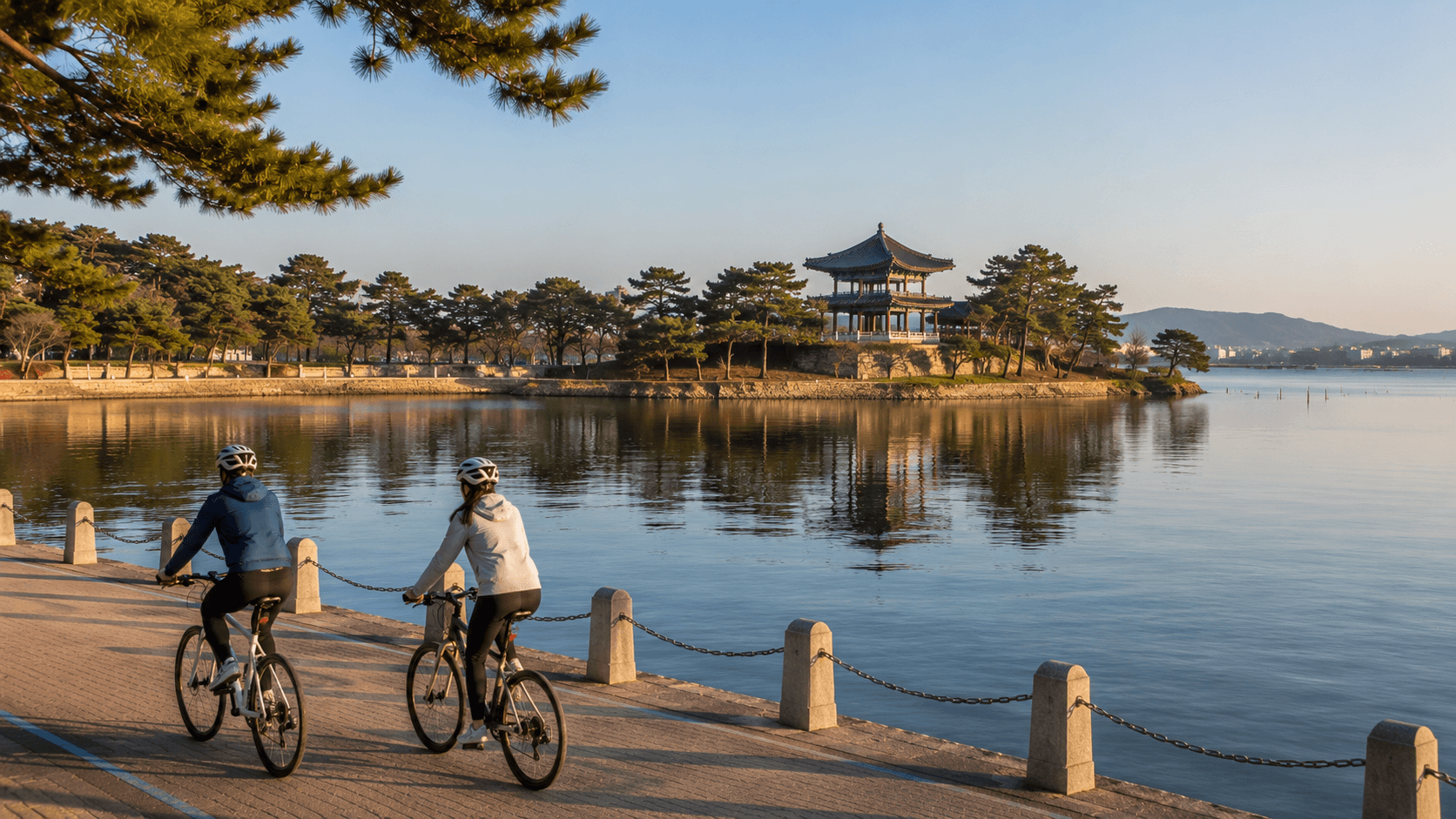
Gangneung is a coastal city where you can combine an East Sea sunrise, historic Korean houses, lakeside cycling, coffee by the beach and fresh local food in one trip. For a first visit, concentrate on three areas: Gyeongpo and Anmok near the city centre, the heritage sites around Ojukheon, and Jeongdongjin on the southern coast.
Information on operating hours and transport arrangements was checked on June 11, 2026. Recheck official websites before visiting because coastal trails, museums and seasonal attractions can change their schedules.
At a glance
| Place | Main reason to visit | Suggested time |
|---|---|---|
| Gyeongpo Beach and Lake | Classic coast, walking and cycling | 2-3 hours |
| Anmok Coffee Street | Cafes facing the sea | 1-2 hours |
| Ojukheon | Joseon-era history and museums | 1.5-2 hours |
| Seongyojang House | Traditional upper-class residence | 1-1.5 hours |
| Jeongdongjin | Sunrise and seaside railway scenery | Half day |
| Badabuchae Trail | Dramatic cliffside coastal walk | 2-3 hours |
| Chodang Dubu Village | Gangneung-style tofu dishes | 1 hour |
| Jumunjin | Fishing port and northern beaches | Half day |
| Wolhwa Street | Central walk, market access and evening food | 1-2 hours |
1. Gyeongpo Beach and Gyeongpo Lake
Gyeongpo is the most practical starting point for first-time visitors. The beach, lake, Gyeongpodae Pavilion and several museums are grouped within the same general area, although walking between every attraction can still take time.
Gyeongpo Beach has a broad sandy shoreline and an open view of the East Sea. Swimming is normally restricted to the officially supervised summer beach season; outside that period, visit for walking, photography or sunrise rather than entering the water. Lifeguards, changing facilities and water-sports businesses may be seasonal.
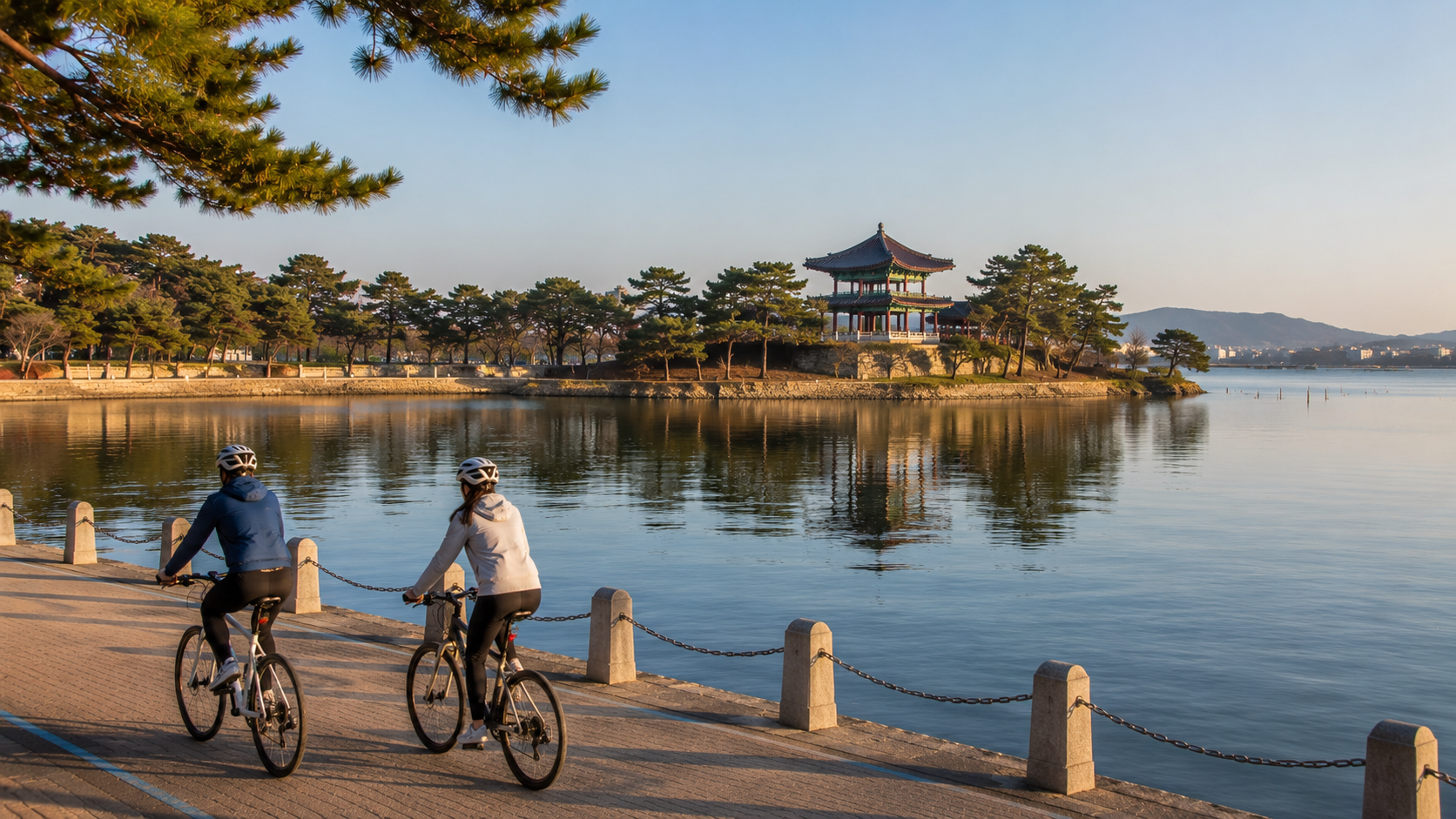
Behind the coast, Gyeongpo Lake has a roughly 4-kilometre promenade. Gangneung City estimates that a straightforward circuit takes about an hour, but allow longer for photographs and stops. Rental bicycles are commonly available around the tourist district, though individual rental prices and operating hours vary.
On the northern side of the lake, Gyeongpodae Pavilion overlooks the water from a low hill. The pavilion is a nationally designated treasure and is particularly attractive when cherry trees flower in spring. The city's introduction to Gyeongpodae explains the site's historic connection with poetry and views of the lake, sea and surrounding pine trees.
Practical tip: Gyeongpo is busiest on summer weekends and during the spring blossom period. Arrive early if you are driving, and do not assume that parking beside the beach will remain available all day.
2. Anmok Beach and Gangneung Coffee Street
Anmok Beach is better known for its cafe-lined waterfront than for swimming. Gangneung Coffee Street, called Gangneung Keopi Geori in Korean, runs beside the beach and contains independent cafes as well as familiar chains. Many upper floors have ocean-facing windows.
This is an easy place to stop after Gyeongpo or Chodang, especially in late afternoon. However, it is not a quiet hidden beach: expect traffic, queues and busy window seats on weekends. Prices differ by cafe, and there is no common street-wide menu or operating schedule.
The Gangneung City tourism guide lists the coffee street at 17 Changhae-ro. Search for 안목해변 or 강릉커피거리 in a Korean map app if English search results are inconsistent.
Common mistake: Do not plan a very tight connection from Anmok to Gangneung Station during a busy weekend evening. The road leaving the waterfront can become congested, so allow a generous buffer before a reserved train.
3. Ojukheon and Gangneung City Museum
Ojukheon, written 오죽헌 in Korean, is one of Gangneung's most important historical sites. It is associated with artist and writer Shin Saimdang and her son Yi I, a major Joseon-era Confucian scholar. Their portraits appear on South Korea's KRW 50,000 and KRW 5,000 banknotes respectively, making the site especially useful for visitors trying to connect Korean history with familiar modern symbols.
The complex includes the historic house, memorial buildings, landscaped grounds and museum exhibitions. The name refers to the dark bamboo growing around the property. Korea's official National Heritage Portal entry for Ojukheon identifies the house as a nationally designated treasure.
Allow at least 90 minutes if you want to read the museum displays rather than only photograph the exterior. Some interpretation may be more extensive in Korean, so a translation app can be useful. Check the Ojukheon and City Museum website for current admission fees, closing days and last-entry times; these details could not be reliably confirmed in English on June 11, 2026.
4. Seongyojang House
Seongyojang, or 선교장, is a large traditional residential compound associated with an upper-class family of the Joseon period. Compared with a reconstructed folk village, it feels more like a coherent historic estate, with residential buildings, courtyards, gardens and the Hwallaejeong pavilion beside a lotus pond.
It is close enough to combine with Ojukheon and Gyeongpo in the same day. Visitors interested in architecture should allow time to notice how rooms, courtyards and service areas are arranged rather than treating the compound as a single photo stop.
As verified on June 11, 2026, the official Seongyojang website listed viewing hours of 09:00-18:00 in the summer season and 09:00-17:00 in the winter season. The site did not clearly define the seasonal changeover dates in its main notice, so confirm the closing time before travelling. Traditional activities and hanok accommodation require separate checks or reservations.
Accessibility note: Historic thresholds, stone paths and uneven surfaces may make some parts difficult for wheelchair users or travelers with limited mobility. Contact the property directly for current accessible-route information.
5. Jeongdongjin
Jeongdongjin, written 정동진, is a coastal district south of central Gangneung known for sunrise views and a railway station immediately beside the sea. It works best as a half-day excursion rather than a quick addition to a packed central itinerary.
The main sights are Jeongdongjin Beach, the station area and Hourglass Park. Sunrise is the traditional reason to come, but the district is still worth visiting later in the day for the unusual combination of railway tracks and coastline.
Train services and stopping patterns can change, so search the exact date on the official Korail booking website. Do not assume that every train between Gangneung and Donghae stops at Jeongdongjin. Local buses are another option, but journey times can be long and service intervals may be inconvenient for a short trip.
If sunrise is your priority, staying overnight near Jeongdongjin is usually more practical than relying on an early connection from central Gangneung. Check the sunrise time through the Korea Meteorological Administration or a reliable weather service, and arrive before the horizon begins to brighten.
6. Jeongdong-Simgok Badabuchae Trail
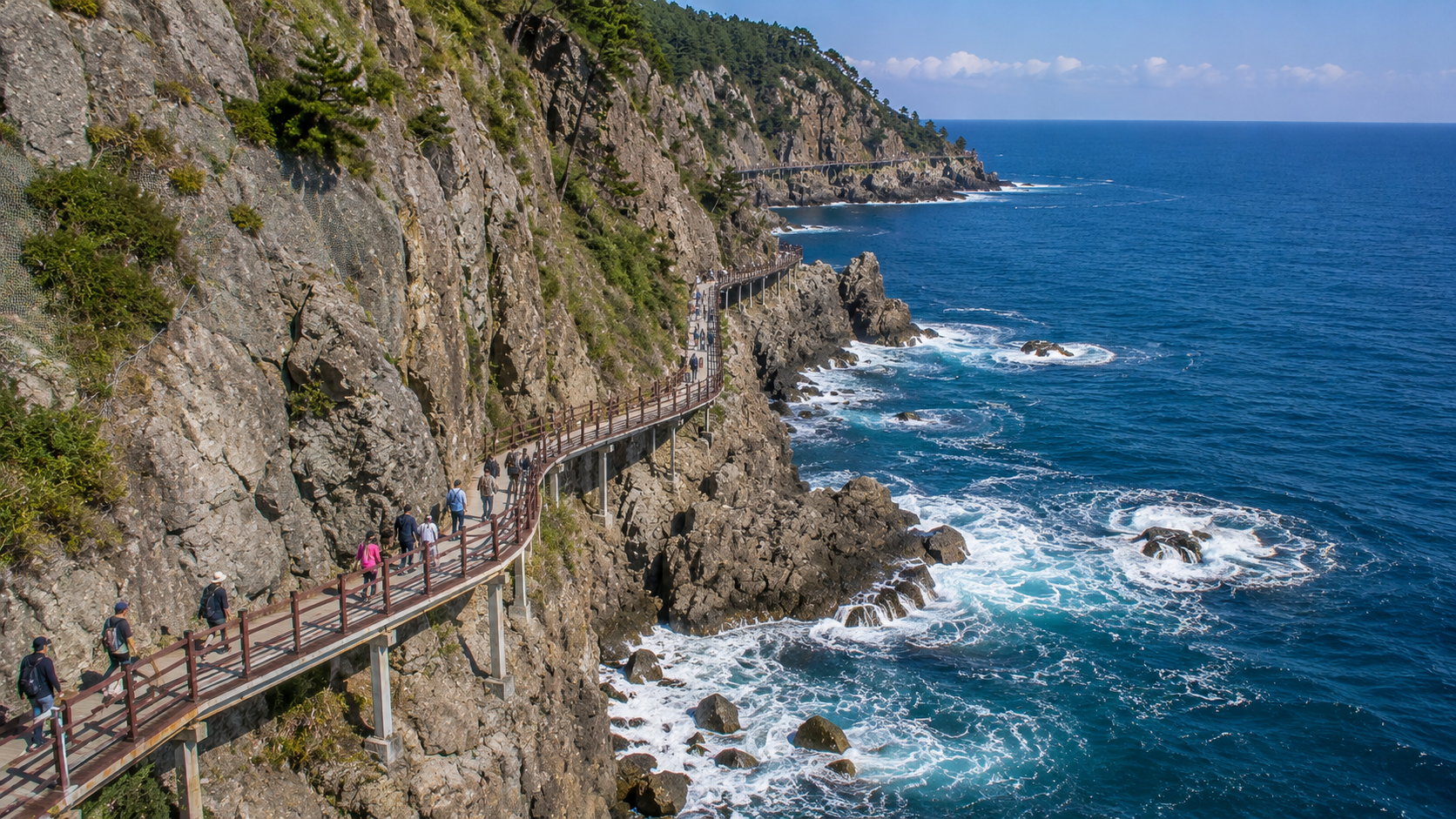
The Jeongdong-Simgok Badabuchae Trail is Gangneung's most distinctive coastal walk. Its Korean name, 정동심곡 바다부채길, means Sea Fan Trail, referring to the shape of the coastline. The 2.86-kilometre route follows decks and stairs below coastal cliffs between the Jeongdong and Simgok entrances.
The Gangneung City trail guide estimates about one hour for a one-way walk and approximately two and a half hours for a round trip. This estimate does not include waiting for transport between the entrances.
This is not a fully accessible promenade. There are steep stairs, exposed sections and no toilet inside the trail, so use the facilities before entering. Wear secure walking shoes and carry water.
The trail can close because of strong waves, wind or weather warnings. On June 11, 2026, the official Badabuchae Trail website showed the trail open with entry available from 09:00 to 17:00, while also warning that conditions could cause an immediate closure. Treat that as a same-day status, not a permanent schedule, and check again on the morning of your visit.
7. Chodang Dubu Village
Chodang Dubu Village, 초당두부마을, is the logical food stop between Gyeongpo and Anmok. Dubu means tofu, and the neighborhood specializes in soft tofu dishes associated with Gangneung's coastal food culture.
Common choices include sundubu, a soft-tofu dish that may be served plain or in a spicy stew, and modubu, firmer blocks of tofu. Some restaurants also serve tofu gelato or other modern desserts. Ask whether a stew contains seafood or meat broth if you have dietary restrictions; tofu does not automatically mean vegetarian.
Most restaurants accept Korean cards, but queues can form around lunch on weekends. Individual businesses set their own prices, break times and closing days, so check the specific restaurant rather than relying on general village hours.
8. Jumunjin Port and the northern coast
Jumunjin is a working port area north of central Gangneung. Come for harbor scenery, seafood markets and access to less central beaches rather than polished resort facilities. According to the Gangneung City tourism overview, Jumunjin is one of the major fishing ports on Korea's east coast.
Nearby Hyangho Beach has the recreated bus-stop photo location associated with a BTS album shoot. The structure is a photo spot rather than a functioning bus stop, and visitors should expect a queue during busy periods.
Jumunjin is relatively far from Anmok and Jeongdongjin. Combining all three coastal districts by local bus in one day creates considerable backtracking. A taxi or rental car makes a northern-coast itinerary easier, but confirm the return route if you travel late in the day.
9. Wolhwa Street and Gangneung Jungang Market
Wolhwa Street is a pedestrian route created along a former railway corridor through central Gangneung. The city's official guide describes it as a 2.6-kilometre trail beginning near Gangneung Station. It is useful for an arrival-day walk because it leads toward the old downtown area and Gangneung Jungang Market.
The market is a practical place to sample snacks and compare several local foods without committing to a formal restaurant. It can become crowded, and popular takeaway stalls may have queues. Bring a payment card, but keep a small amount of KRW cash because payment systems vary by vendor.
Visit in the late afternoon or early evening, then return toward the station or continue to nearby restaurants. Market stalls do not share one closing time, and some finish when their prepared stock sells out.
How to organize your visit
One-day route without a car
- Start at Ojukheon when it opens.
- Continue to Gyeongpo Lake and Gyeongpodae Pavilion.
- Eat lunch in Chodang Dubu Village.
- Walk at Gyeongpo Beach or continue to Anmok Coffee Street.
- Finish at Wolhwa Street and Jungang Market before returning to Gangneung Station.
This route keeps you within central and eastern Gangneung. Use local buses for longer transfers and taxis when waiting times would consume too much of the day.
Two-day route
Use the central route above for day one. On day two, travel south to Jeongdongjin and walk the Badabuchae Trail if it is open. Alternatively, choose Jumunjin and the northern beaches if you prefer markets, seafood and coastal photography to hiking.
Getting around Gangneung
Gangneung's attractions are spread along a long coastline. The city is not difficult to navigate, but map distances can be misleading when bus intervals and transfers are included.
Use Naver Map or KakaoMap for local navigation; they generally provide more useful Korean bus and walking information than international map services. Save destinations in Hangul as well as English. A reloadable Korean transport card can normally be used on city buses, while taxis usually accept major Korean-issued and many international cards.
For visitors who cannot comfortably use regular buses, Gangneung also operates tourism and accessibility information through the official Visit Gangneung portal and its barrier-free tourism website. Confirm vehicle availability and reservation requirements directly rather than assuming on-demand service.
What to check before you go
- Check the marine weather and same-day opening status before attempting the Badabuchae Trail.
- Confirm Korail departure times and stations for your exact travel date.
- Verify museum closing days, admission fees and last entry on each venue's official website.
- Check whether swimming is officially permitted and supervised if visiting a beach in summer.
- Allow extra travel time on summer weekends, public holidays and during major festivals.
- Carry sun protection in summer and wind-resistant layers outside summer; the waterfront can feel colder than central Gangneung.
- Save destination names in Korean, including 경포해변, 안목해변, 오죽헌, 선교장 and 정동진.
- Reserve accommodation early for peak summer weekends and the New Year sunrise period.
Sources
- Gangneung City tourism overview and major attractions
- Official Visit Gangneung tourism portal
- Gangneung City guide to Gyeongpodae and Gyeongpo Lake
- Korea Heritage Service entry for Ojukheon
- Ojukheon and Gangneung City Museum
- Official Seongyojang website
- Official Jeongdong-Simgok Badabuchae Trail website
- Korail English booking website
Start by choosing whether your second day should focus on Jeongdongjin in the south or Jumunjin in the north. That single decision will produce a more comfortable itinerary than trying to cover Gangneung's entire coastline at once.