South Korea's most rewarding first-time route is Seoul, Gyeongju, and Busan. Together, they provide a practical introduction to royal history, contemporary city life, traditional architecture, regional food, and the coast without requiring complicated transport. Add Jeju Island for volcanic scenery, Jeonju for hanok and food, or Sokcho and Seoraksan for hiking.
The places below are selected for cultural importance, variety, transport convenience, and their ability to fit into a realistic 7- to 14-day itinerary. They are not ranked as absolute winners.
At a glance
| Place | Allow | Main reason to visit | Main limitation |
|---|---|---|---|
| Seoul | 3–5 days | Palaces, neighborhoods, food, shopping, contemporary culture | Large distances and crowded attractions |
| Gyeongju | 1–2 days | Silla history, royal tombs, temples, archaeology | Outlying sights require buses, taxis, or a tour |
| Busan | 2–3 days | Coast, markets, hillside neighborhoods, urban scenery | Attractions are spread across a long city |
| Jeju Island | 3–4 days | Volcanic landscapes, coastal walks, waterfalls | Requires a flight or ferry and more local planning |
| Jeonju | 1–2 days | Hanok streets, regional cuisine, traditional culture | The central village can feel commercial at busy times |
| Sokcho and Seoraksan | 2 days | Mountain scenery and hiking | Weather and seasonal trail controls affect plans |
For seven days, choose Seoul and Busan, with Gyeongju between them if you can travel at a steady pace. For ten days, spend roughly four nights in Seoul, two in Gyeongju, and three in Busan. With two weeks, add Jeju or Sokcho rather than trying to include every destination.
1. Seoul: the essential starting point
Seoul is the most useful first stop because it places Korea's royal heritage, dense commercial districts, university neighborhoods, museums, mountains, and riverside parks within one metropolitan area. It also has the country's largest selection of accommodation and the easiest onward connections.
What to see
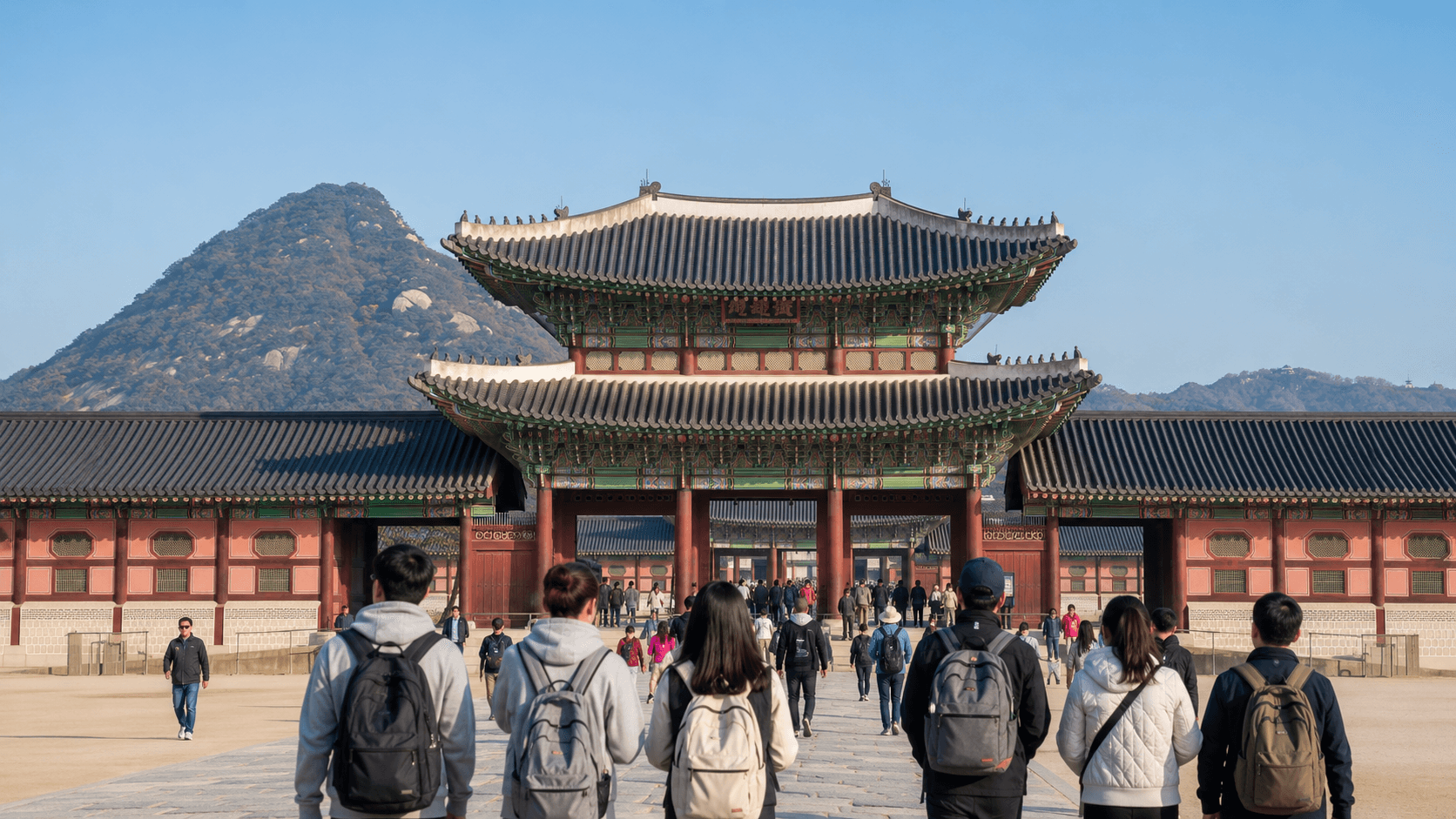
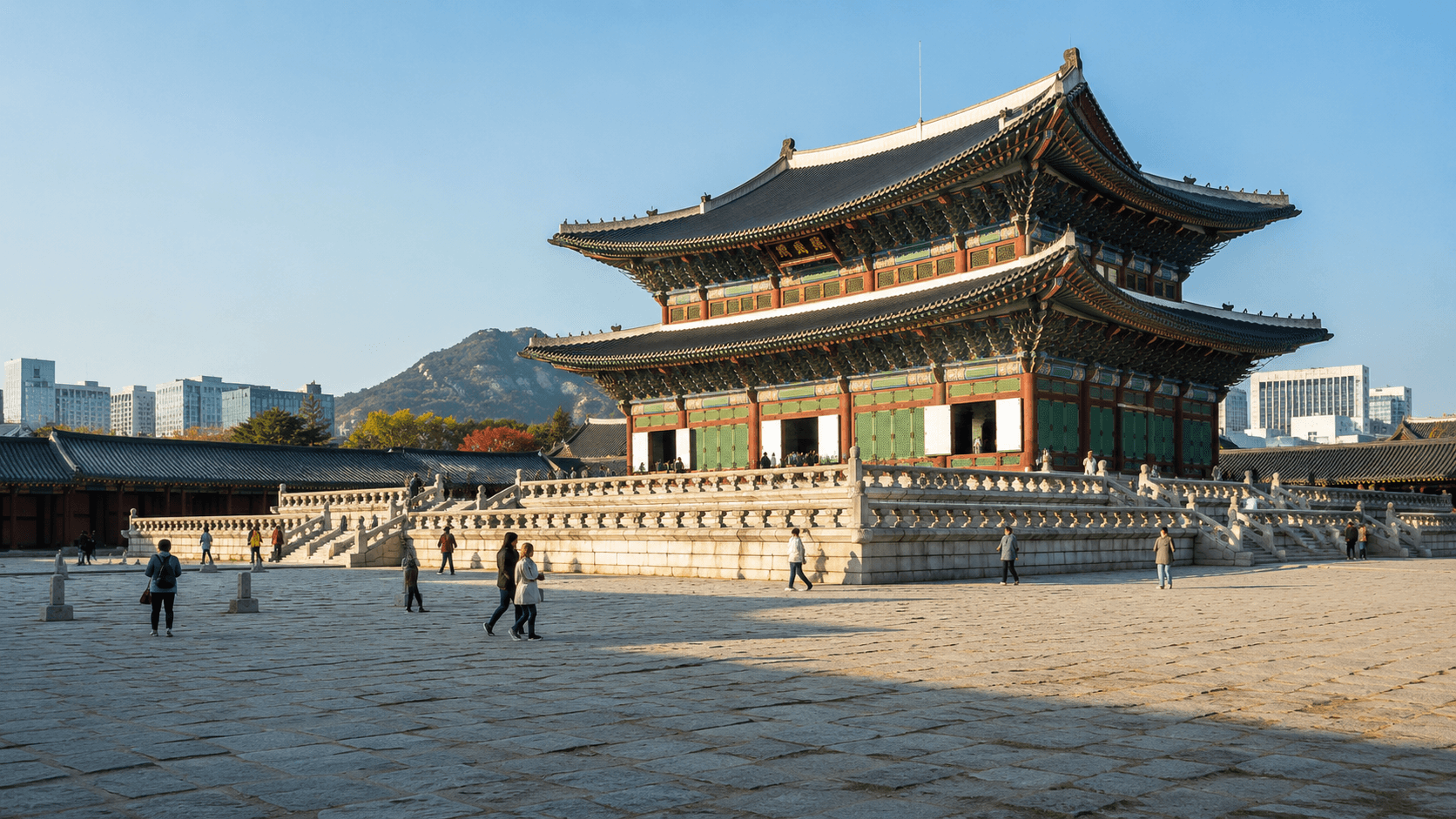
Start with one major Joseon Dynasty palace. Gyeongbokgung is the largest and easiest to combine with the National Folk Museum, Seochon, and northern Seoul. Changdeokgung is a strong alternative for visitors interested in landscaped palace grounds; some sections may require a separate reservation or timed admission, so check the official listing before visiting.
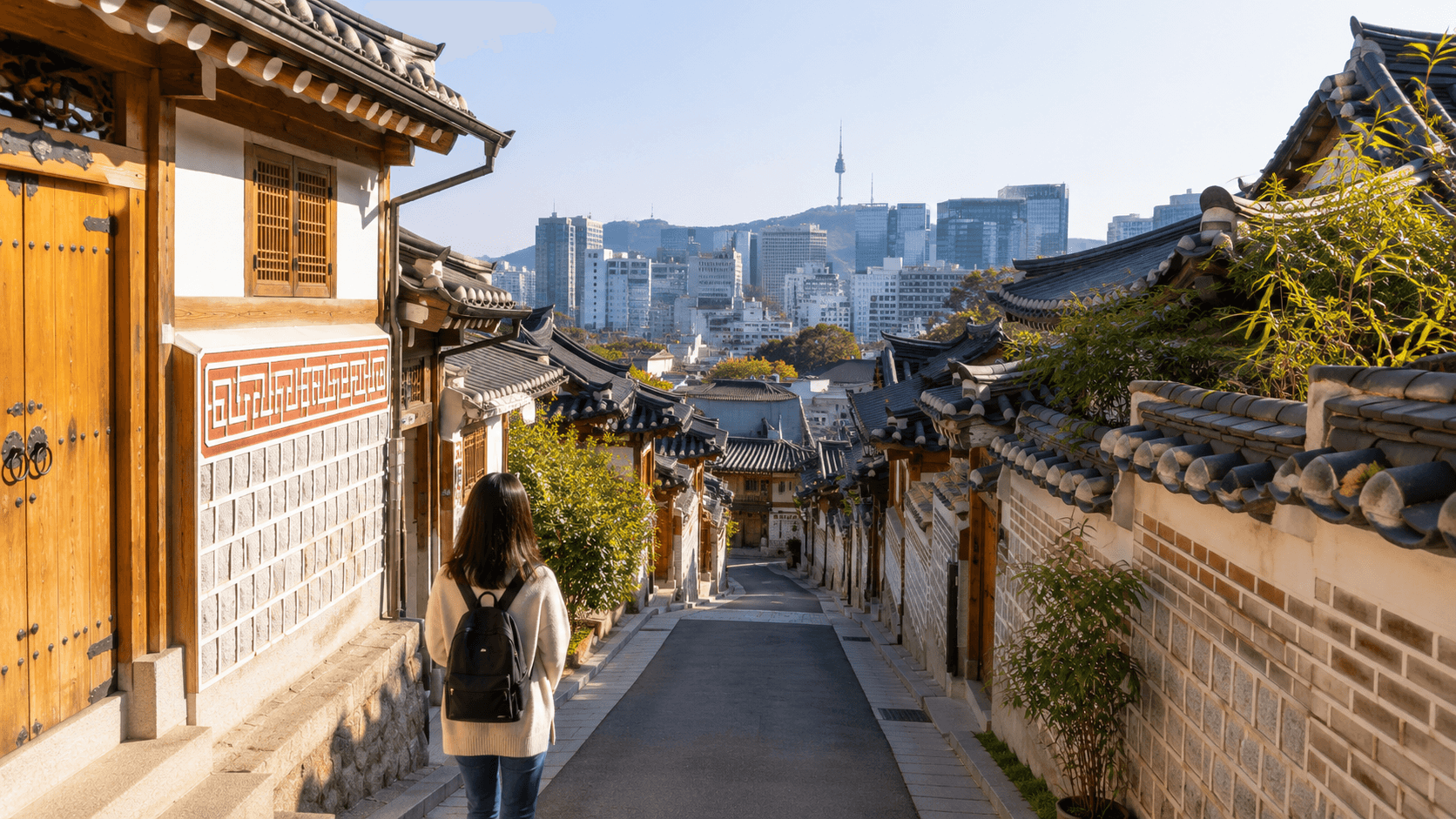
Continue to Insadong for crafts and tea shops, or walk through nearby Ikseon-dong for narrow lanes filled with adapted hanok. A hanok is a traditional Korean house, usually recognized by its tiled roof, wooden structure, and courtyard arrangement.
Bukchon Hanok Village sits between Gyeongbokgung and Changdeokgung, but it remains a residential neighborhood rather than an open-air museum. Seoul identifies parts of Bukchon as specially managed areas with limited visiting hours. Keep voices low, do not enter private property, and follow signs restricting access. This status was verified on June 10, 2026 through the Seoul Metropolitan Government's official Hanok website.
For modern Seoul, choose one or two areas instead of crossing the city repeatedly. Hongdae offers nightlife and youth-oriented shopping; Seongsu has converted industrial buildings, shops, and temporary brand events; Myeong-dong is convenient for cosmetics and central sightseeing; and Gangnam provides a view of Seoul's newer commercial districts. For an evening without another ticketed attraction, walk beside Cheonggyecheon Stream or visit a Hangang River park.
Practical advice
Stay near a subway station and check the number of transfers to the places you care about. A hotel described as central may still involve long journeys because Seoul is geographically large.
Subway stations usually have elevators, but the most direct exit may only have stairs. Travelers with heavy luggage, wheelchairs, or strollers should check station maps and accessible exits before transferring. A rechargeable transport card is generally more convenient than buying a single-use ticket for every journey.
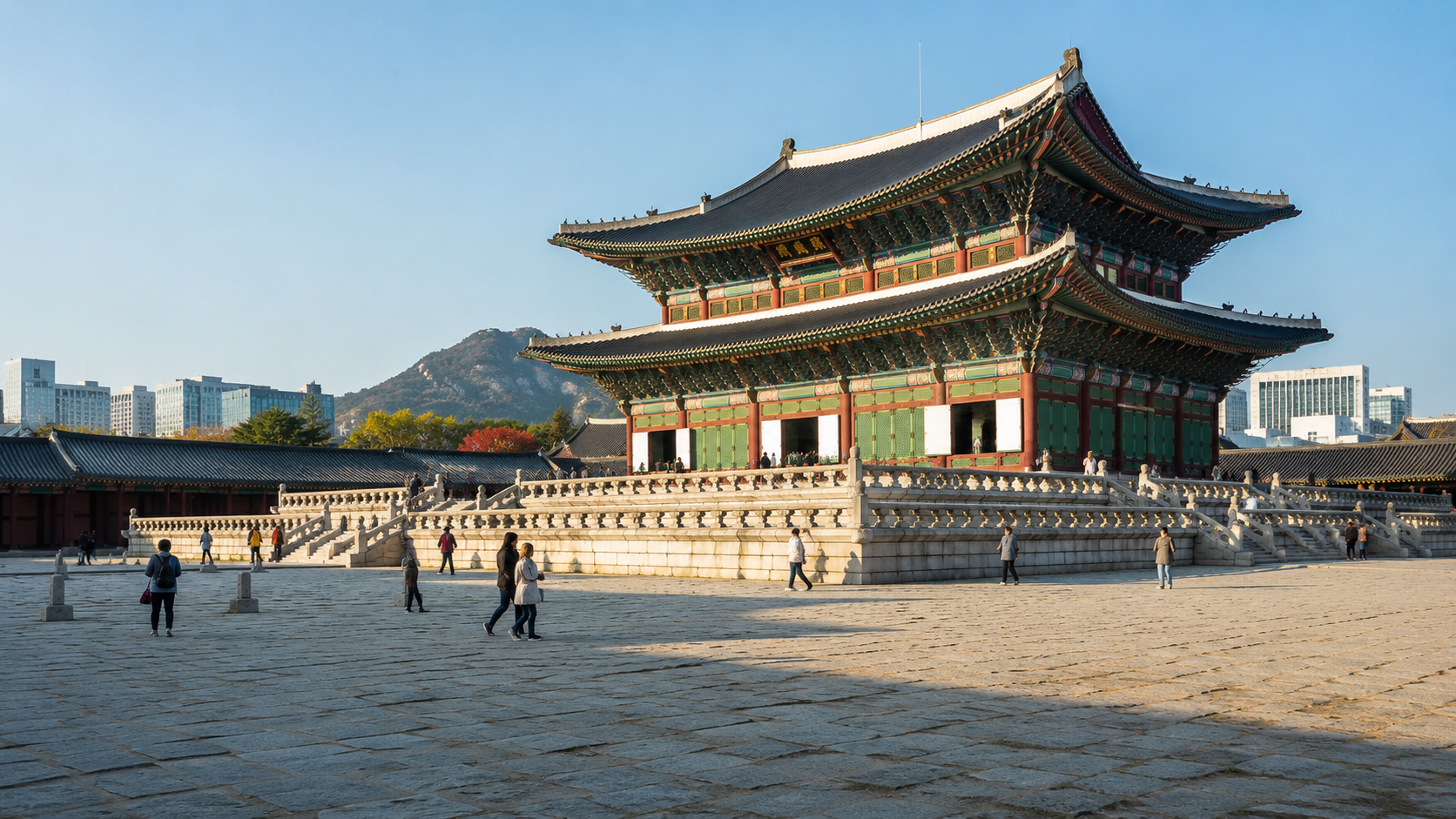
2. Gyeongju: the clearest introduction to ancient Korea
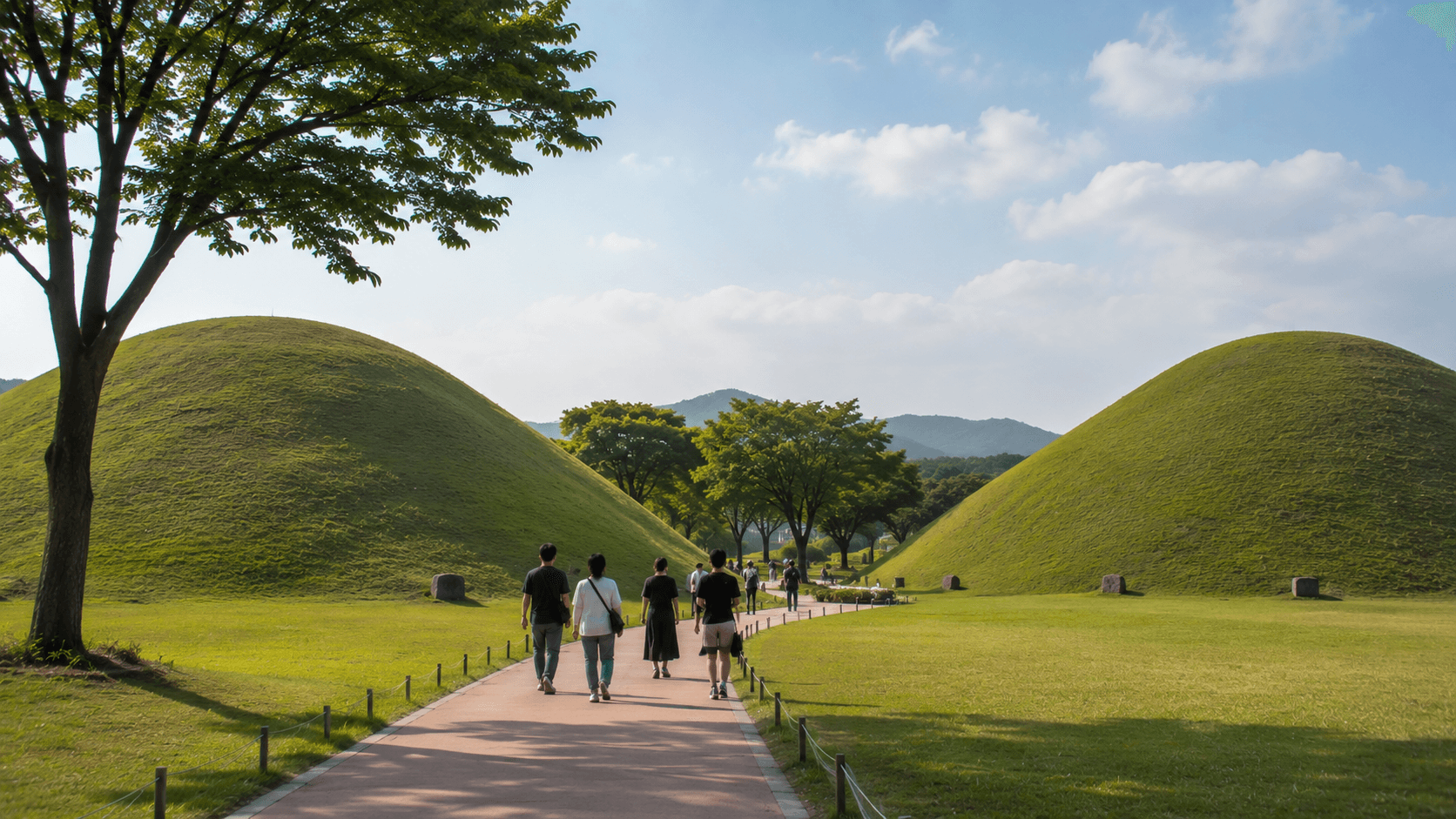
Gyeongju was a capital of the Silla kingdom, and its historic areas contain royal tombs, palace remains, Buddhist sculpture, pagodas, and archaeological sites. UNESCO describes the Gyeongju Historic Areas as an exceptional concentration of Korean Buddhist art and remains dating particularly from the seventh to tenth centuries.
What to see
In central Gyeongju, combine Daereungwon Ancient Tomb Complex, Cheomseongdae, the Wolseong area, and Donggung Palace and Wolji Pond. These sites form a manageable walking or cycling circuit, although surfaces are not uniformly smooth.
Allow a separate half-day for Bulguksa Temple. Seokguram Grotto is in the same general mountain area but is not immediately beside the temple, so check the local bus arrangement or use a taxi. Do not assume that every historic attraction is within central Gyeongju.
The Gyeongju National Museum is particularly useful before or after visiting the tombs because it gives context to Silla objects, royal culture, and archaeological discoveries. Confirm its current closing day, admission policy, and gallery availability on the official website before your visit.
Who should stay overnight
A day trip gives enough time for the central tomb and palace area, but one or two nights are better. Staying overnight lets you see Donggung Palace and Wolji Pond after dark and visit Bulguksa without rushing back to another city.
Gyeongju is also a logical stop between Seoul and Busan. Trains serve Singyeongju Station outside the historic center, while intercity buses generally arrive closer to town. Account for the final transfer when comparing journey times.
3. Busan: Korea's major coastal city
Busan adds sea views, port history, seafood markets, beaches, and steep hillside neighborhoods to an itinerary dominated by inland cities. It is not simply a beach extension of Seoul; its geography and pace are noticeably different.
Choose an area, not a checklist
Busan's attractions are widely separated, so divide them by district.
For western and central Busan, combine Jagalchi Market, Nampo-dong, Yongdusan Park, and Gamcheon Culture Village. Gamcheon has steep lanes and stairs, and people still live there. Wear stable shoes, keep noise down, and avoid photographing residents through doors or windows.
For eastern Busan, focus on Haeundae, Dongbaekseom, Gwangalli, or the coastal area around Haedong Yonggungsa Temple. Haeundae and Gwangalli are different beach districts; visiting both is worthwhile only if you have enough time or want to compare their evening atmosphere.
The official Visit Busan guide provides attraction notices, maps, suggested itineraries, and links to the city metro. Its travel information was checked on June 10, 2026. Confirm temporary closures and event-related transport changes there, especially during major festivals or concerts.
Where to stay
Seomyeon is practical for subway connections and trips in several directions. Haeundae suits travelers who prioritize the beach and eastern Busan, but journeys to Nampo-dong or Gamcheon take longer. Nampo-dong is convenient for markets and the older port area.
Do not schedule an early western Busan attraction and a late eastern Busan attraction without checking the route. A journey that looks short on a national map may require multiple local transfers.
4. Jeju Island: choose it for nature, not convenience
Jeju is the strongest addition for travelers who want volcanic terrain, coastal scenery, waterfalls, and walking trails. Its natural attractions include Hallasan Mountain, the Geomunoreum lava-tube system, and Seongsan Ilchulbong. These form the Jeju Volcanic Island and Lava Tubes UNESCO World Heritage property.
How much time you need
Three full days is a sensible minimum. Jeju City and Seogwipo are useful bases, but many attractions lie outside both. Changing accommodation once can reduce backtracking if you intend to explore opposite sides of the island.
A rental car gives the most flexibility, but visitors must confirm current license and permit requirements directly with the rental company before paying. Public buses reach many major locations, although transfers and waiting times can make a multi-stop day slow. Taxis are useful for shorter regional trips but become expensive over long distances.
Hallasan's longer summit routes may use reservations, seasonal controls, turnaround deadlines, or weather closures. Check the official park information immediately before hiking rather than relying on an old itinerary. Bring water, suitable footwear, and an offline copy of your route.
Jeju is less suitable for a seven-day first trip unless nature is your main priority. Flying there for one night usually creates more airport and transfer time than meaningful sightseeing.
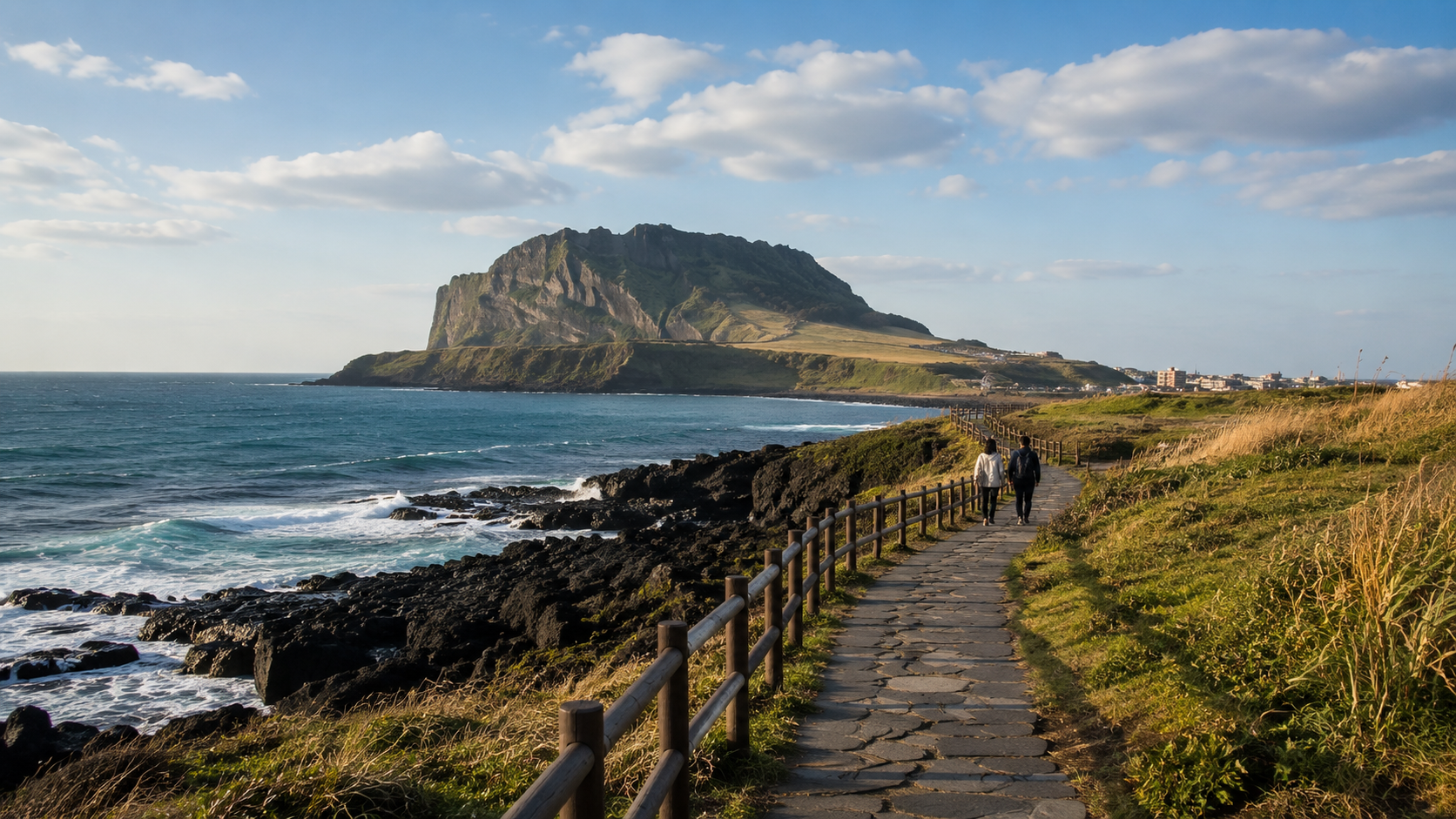
5. Jeonju: food and traditional streets
Jeonju works well for visitors who want a compact historical district and a stronger focus on regional food. Jeonju Hanok Village contains accommodation, craft spaces, restaurants, Gyeonggijeon Shrine, and lanes of traditional-style buildings. The official Visit Jeonju website provides city maps and attraction information.
The village becomes busy on weekends and holidays, and its main streets contain many businesses aimed at visitors. Walk beyond the busiest food stalls, visit early in the morning, and consider staying overnight in a hanok guesthouse if you want a quieter experience.
Hanok rooms commonly use floor bedding rather than Western beds. Bathrooms may be compact, and sound insulation can be limited. Read the room description carefully instead of assuming that every traditional property offers the same facilities.
Jeonju can replace Gyeongju for travelers more interested in food and living traditions than archaeology. For most first-time visitors, however, Gyeongju provides the stronger historical contrast with Seoul and Busan.
6. Sokcho and Seoraksan: the mountain option
Sokcho is the usual urban base for the eastern side of Seoraksan National Park. Choose it if hiking and mountain scenery matter more than adding another historic city.
Routes range from short walks near the main entrance to demanding mountain courses. Trail access can change because of weather, wildfire-prevention periods, maintenance, or safety conditions. Check the Korea National Park Service for current controls before leaving Seoul or Sokcho. Conditions and access guidance are time-sensitive and were last verified for this article on June 10, 2026.
Autumn foliage periods are especially crowded. Accommodation, buses, and road traffic can become difficult, so avoid building a tightly timed onward connection after a hiking day. In rain, snow, high wind, or extreme heat, use a lower route or change plans rather than treating a summit as compulsory.
How to build your first Korea itinerary
Seven days
- Days 1–4: Seoul
- Days 5–7: Busan
- Optional adjustment: Spend one Busan night in Gyeongju, accepting a faster pace
Ten days
- Days 1–4: Seoul
- Days 5–6: Gyeongju
- Days 7–10: Busan
This is the most balanced first-time route for urban life, history, and coastal scenery.
Fourteen days
- Days 1–4: Seoul
- Days 5–6: Gyeongju
- Days 7–9: Busan
- Days 10–13: Jeju
- Day 14: Departure buffer or final night near your international airport
Alternatively, replace Jeju with Jeonju and Sokcho if you prefer overland travel.
Common planning mistakes
- Changing hotels too often: Two-night stays can become one usable sightseeing day after check-out and transport.
- Underestimating city size: Seoul and Busan both require substantial travel between districts.
- Treating Jeju as a quick side trip: Airport procedures and local transport consume time.
- Planning only famous photo locations: Include a market, museum, neighborhood walk, or riverside park to understand how places connect.
- Ignoring weekends and holidays: Popular palaces, hanok districts, beaches, and hiking areas are usually busier.
- Using only foreign map services: Some global mapping functions have limitations in Korea. Compare routes with a Korea-focused navigation app.
- Booking the last intercity service: A missed connection can be difficult to replace, particularly outside Seoul.
What to check before you go
Operational information changes, so complete this checklist shortly before travel:
- Confirm palace, museum, temple, and park closing days.
- Check whether any attraction requires timed admission or an advance reservation.
- Review current train or intercity-bus schedules before fixing hotel dates.
- Check the final local transfer from the station or terminal to your accommodation.
- Confirm baggage storage if arriving before check-in.
- Review accessibility information for historic sites, hills, beaches, and subway exits.
- Check weather warnings and trail closures before visiting Jeju or Seoraksan.
- Carry a physical payment card and some KRW for small businesses, transport-card top-ups, or machines that reject foreign cards.
- Keep your destination name and address in Hangul for taxi drivers and navigation searches.
Fares, timetables, reservation rules, and operating hours were checked where referenced on June 10, 2026, but they can change without this article being updated. Use the linked official operator or destination website for the date of your visit.
FAQ
Is Seoul, Busan, and Jeju too much for one week?
Usually, yes. Three distant bases plus flights or trains leave limited time in each place. Seoul and Busan are a better seven-day combination. Add Jeju when you have at least ten days, preferably longer.
Is Gyeongju a day trip from Busan?
It can be, especially if you focus on central Gyeongju. Stay overnight if you also want Bulguksa, the museum, and illuminated evening sites without rushing.
Do first-time visitors need a rental car?
Not for Seoul, Gyeongju, Busan, or Jeonju. A car is most useful on Jeju, but buses and taxis remain alternatives. Driving in central Seoul or Busan usually adds parking and navigation complications.
Which destination should I remove if time is short?
Remove Jeju first unless volcanic scenery is a central reason for your trip. It requires the largest logistical detour. Keep Seoul, then choose Busan for coast and city life or Gyeongju for history.
Sources
- Korea Tourism Organization's VisitKorea portal
- Seoul Metropolitan Government Hanok information
- Official Visit Busan travel guide
- Official Visit Jeonju travel guide
- UNESCO: Gyeongju Historic Areas
- UNESCO: Jeju Volcanic Island and Lava Tubes
- Korea National Park Service
- Incheon International Airport transportation guide
Begin by fixing the number of nights in Seoul, Gyeongju, and Busan. Add another region only after checking that each major stop still has at least one complete sightseeing day.