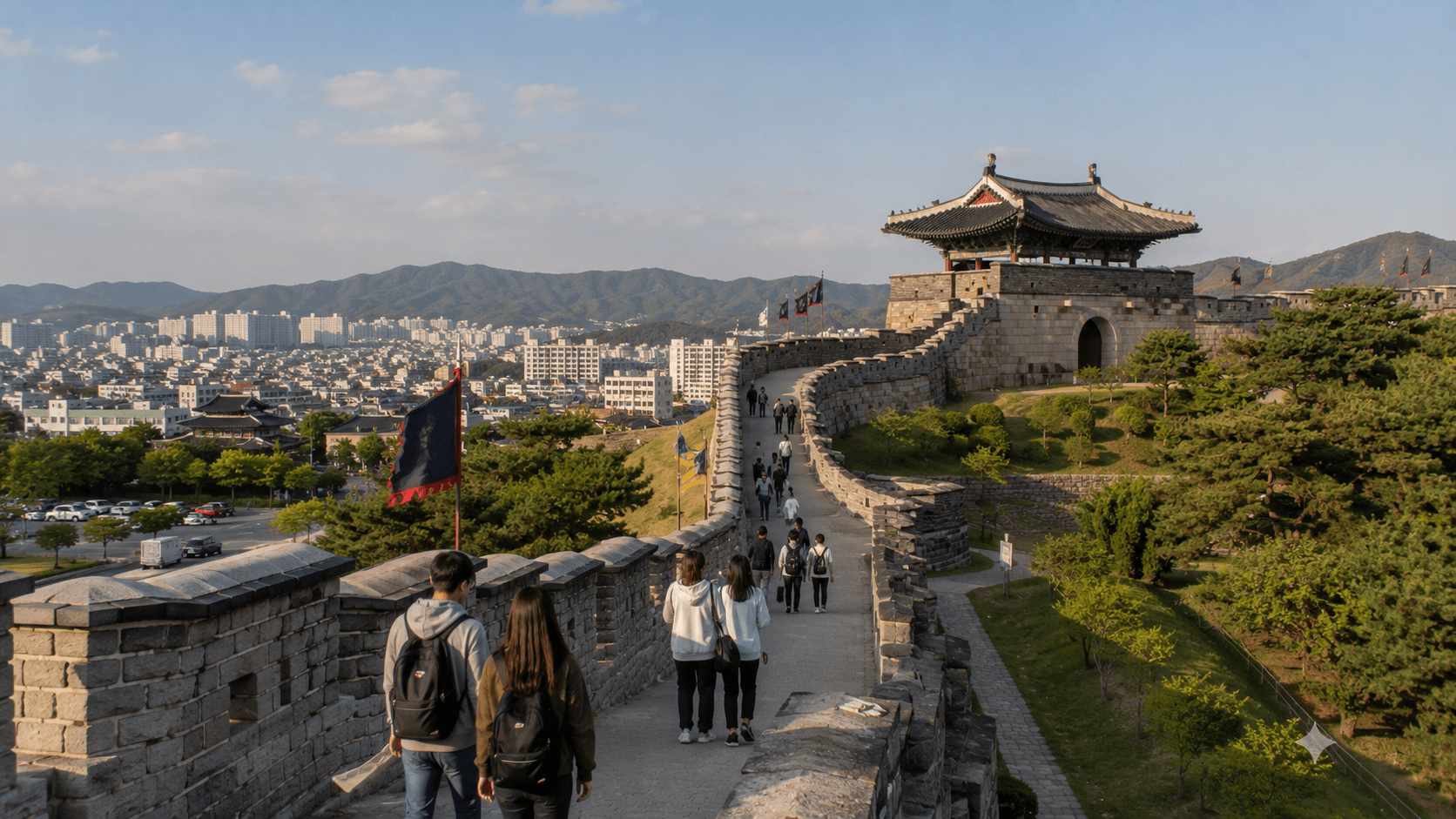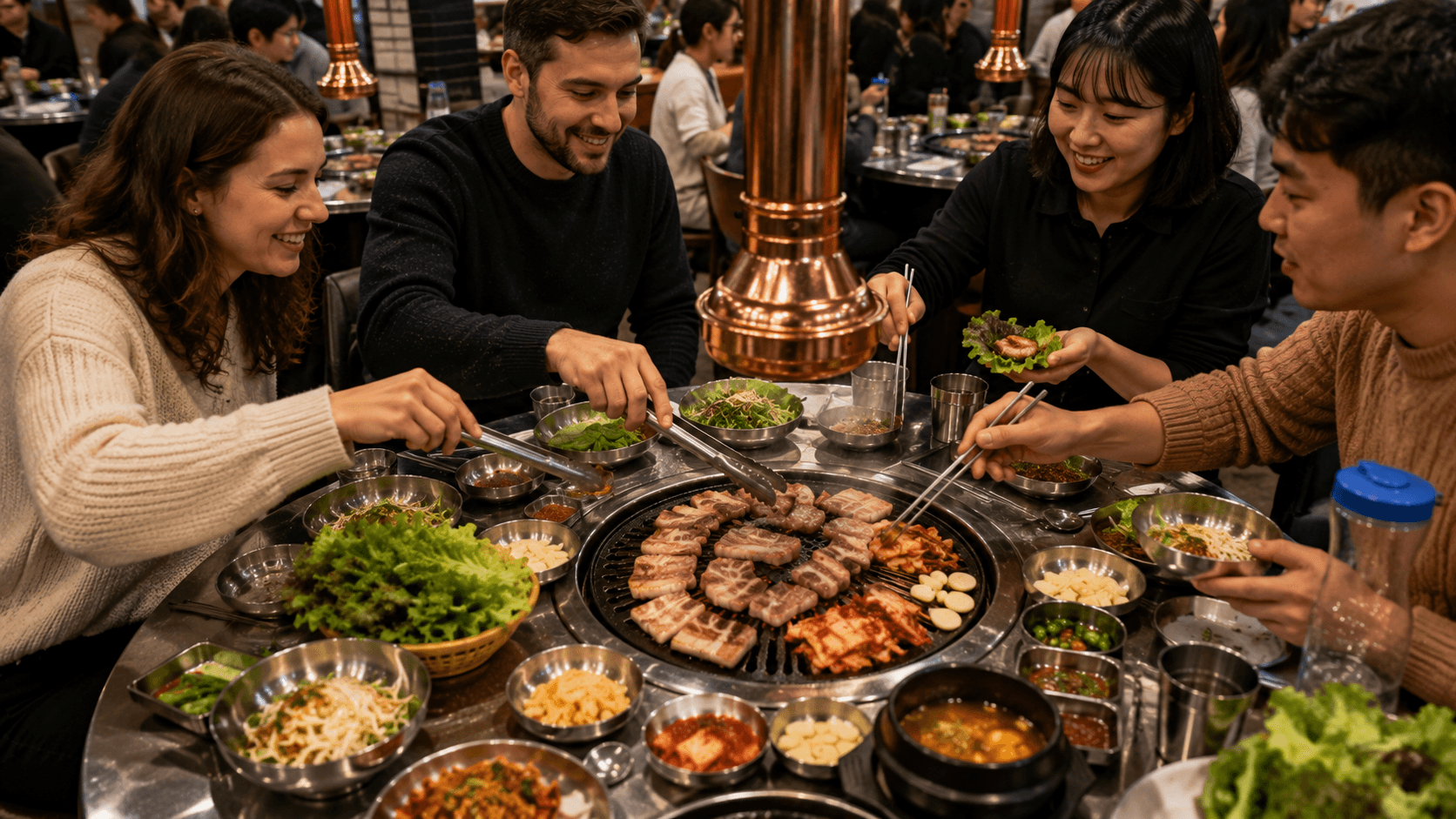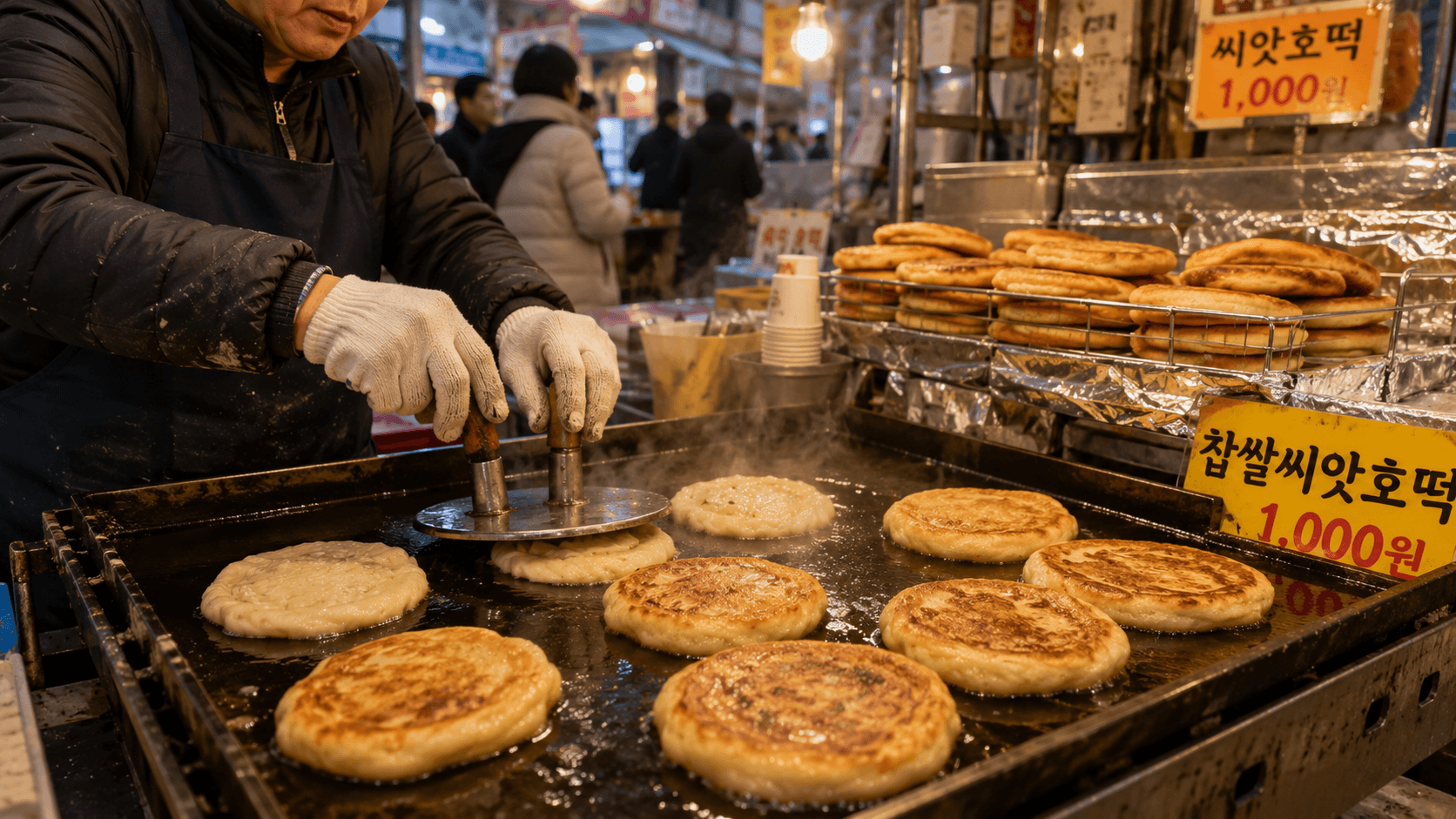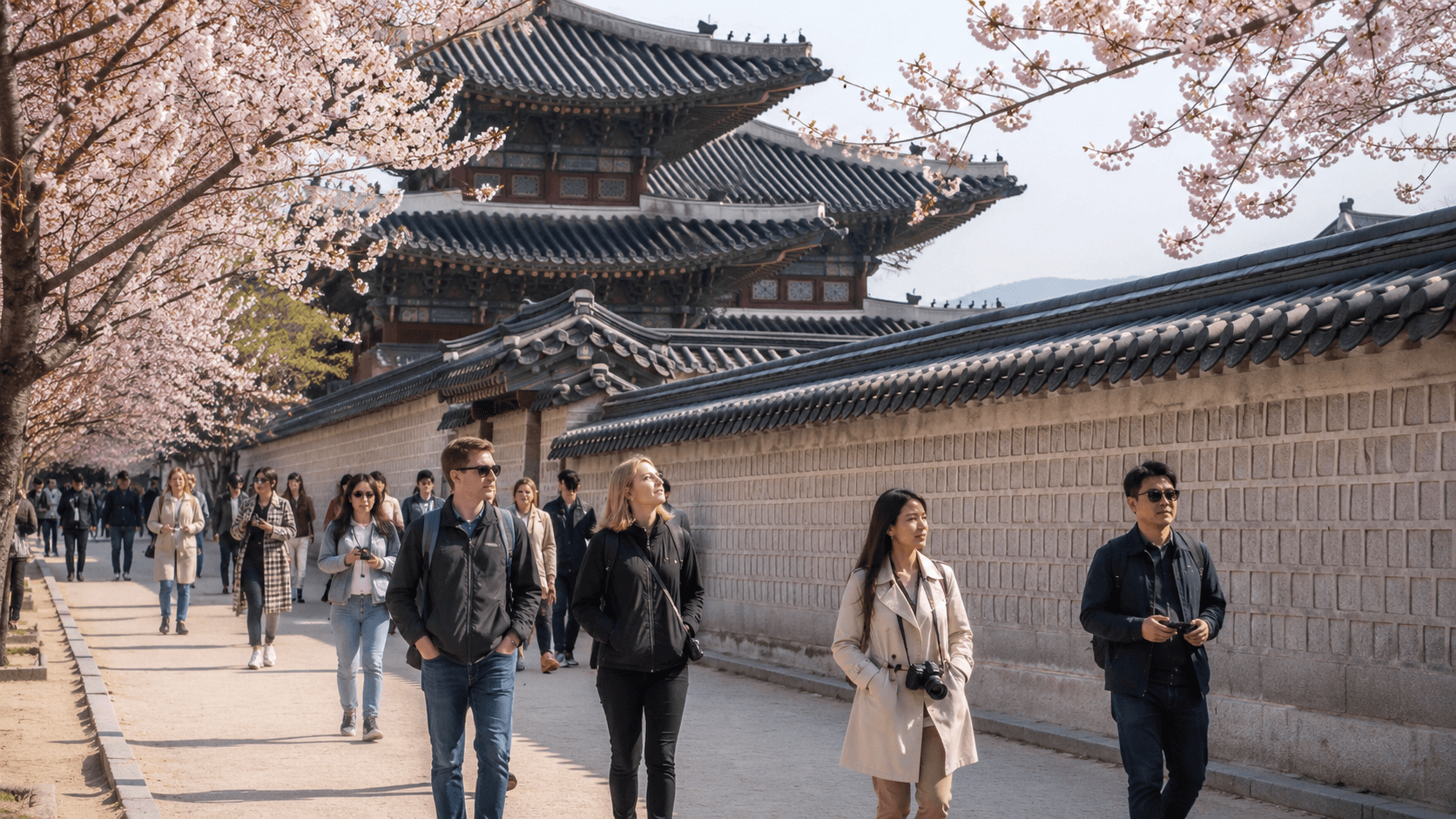
The best time to visit South Korea is generally mid-April to May or late September to October. These periods usually offer comfortable temperatures for walking, hiking, and exploring cities. Spring is known for flowers and fresh greenery, while autumn brings clearer, cooler conditions and colorful foliage. However, the right month depends on whether your priority is cherry blossoms, beaches, hiking, snow, lower demand, or seasonal festivals.
Information involving weather patterns and 2026 public holidays was verified on June 9, 2026. Seasonal dates are planning ranges, not forecasts: flowering, foliage, rain, snow, and typhoons vary each year.
At a glance
| Travel priority | Recommended period | What to expect |
|---|---|---|
| Comfortable first visit | Mid-April to May; late September to October | Mild conditions and good walking weather |
| Cherry blossoms | Late March to mid-April | Timing moves northward and changes annually |
| Hiking | May; late September to early November | Moderate temperatures, with autumn foliage later in the year |
| Beaches and water activities | July to August | Hot, humid weather with rain and possible storms |
| Autumn foliage | October to early November | Color generally develops earlier in northern and mountainous areas |
| Skiing and winter scenery | Late December to February | Cold weather; snow conditions depend on location and year |
| Avoiding extreme temperatures | April to May; October | Lower risk of midsummer heat or midwinter cold |
Korea's climate in practical terms
South Korea has four distinct seasons. According to the Korea Tourism Organization's climate guide, spring and autumn are generally mild, summer is hot and humid, and winter is cold and dry. August is normally the hottest month, while January is the coldest.
The Korea Meteorological Administration, or KMA, calculates official climate normals from long-term observations. Its current standard uses the 1991-2020 period, with data from 219 observation locations. These normals are useful for planning, but they do not predict the weather during a particular trip. See the KMA climate normals information for the methodology.
Conditions also differ by region:
- Seoul and central Korea: Hot, humid summers and colder winters with frequent sub-zero nights.
- Busan and the southeast coast: Winters are usually milder than in Seoul, although coastal wind can feel cold.
- Gangwon mountains: Cooler conditions, earlier autumn color, and better prospects for winter sports.
- Jeju Island: Generally milder, but wind and rapidly changing mountain weather can affect outdoor plans.
- Inland cities such as Daegu: Summer heat can be particularly uncomfortable for long days outdoors.
Spring: March to May
Who should visit in spring?
Spring suits first-time visitors, city walkers, photographers, cyclists, and travelers planning palace, park, or garden visits. Conditions improve gradually: early March can still feel wintry, while late May may already be warm during the afternoon.
March: Variable weather and early flowers
March is a transition month. Mornings and evenings can be cold, particularly in Seoul and inland areas, so bring a proper jacket rather than relying on light spring clothing. Jeju and southern regions usually enter the flowering season before central Korea.
Early flowers include canola, cornelian cherry, plum blossoms, and some early cherry varieties. Cherry blossoms are not guaranteed during a fixed week. Warm weather can advance flowering, while a cold spell or heavy rain can delay or shorten it.
April: Blossoms and comfortable sightseeing
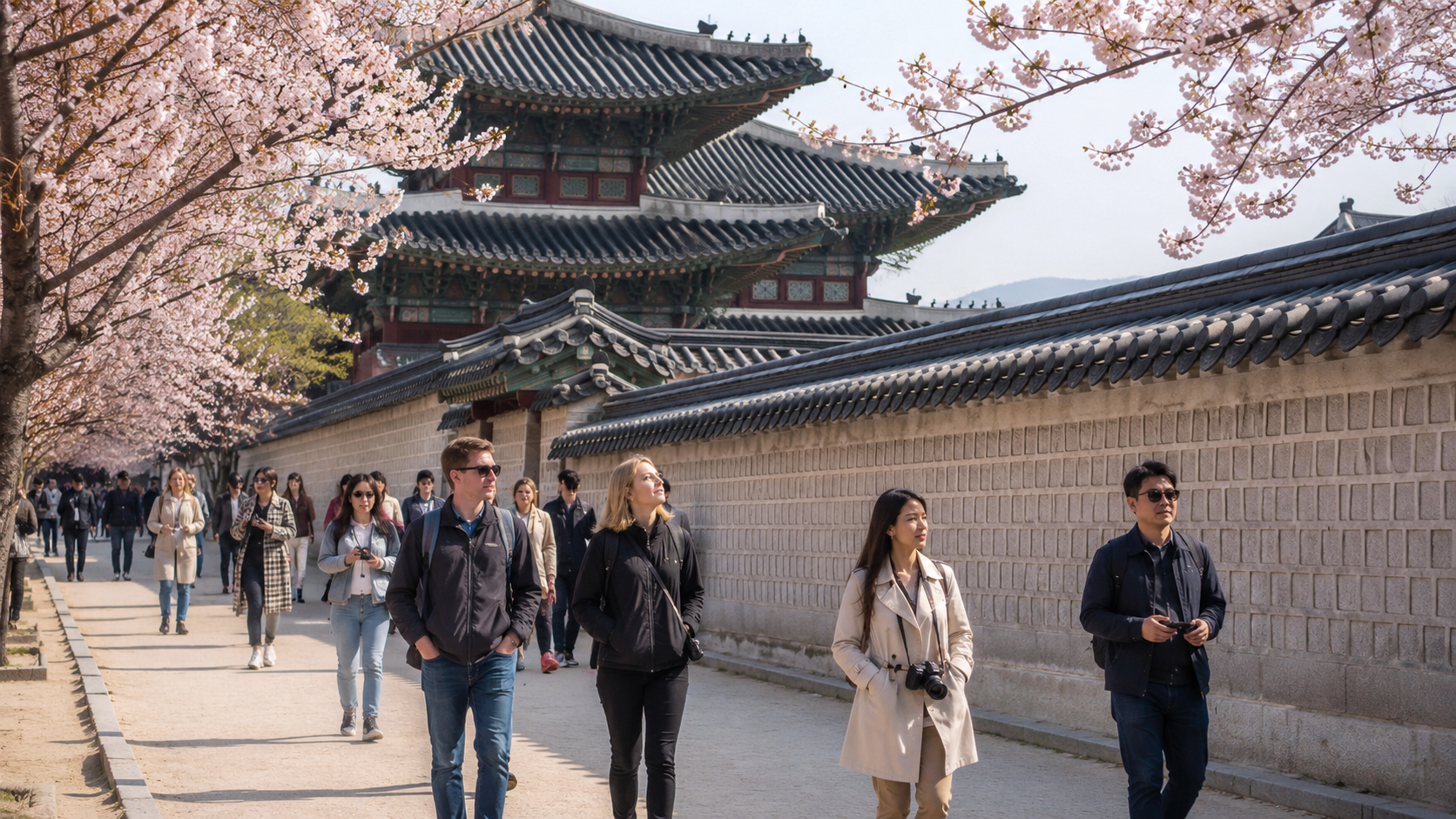
April is one of the most appealing months for a general trip. Daytime conditions are often suitable for extended walking, although temperatures can fall noticeably after sunset.
For 2026, the Korea Tourism Organization listed typical spring-flower periods ranging from mid-to-late March in Jeju and parts of southern Korea to early or mid-April in Seoul and other central locations. Those dates were specific to 2026 and should not be reused as a forecast for another year. Consult the latest official VISITKOREA spring flower guide shortly before departure.
Popular blossom streets and festivals can become extremely busy, especially on weekends. If flowers are central to your trip, stay flexible: plan several parks or neighborhoods rather than building the entire itinerary around one tree-lined road.
May: Green landscapes and reliable outdoor options
May is often a stronger choice than blossom season for travelers who value comfortable outdoor days over specific flowers. Parks and mountains are green, daylight is longer, and conditions are usually easier for hiking than in midsummer.
May also includes public holidays and family outings. In 2026, Children's Day fell on May 5, while Buddha's Birthday fell on May 24 and was observed on May 25. Attractions, transport, and roads can be busier around long weekends. Holiday dates change by year, especially those based on the lunar calendar.
Spring drawbacks
Spring can bring sharp temperature swings, rain, and periods of poor air quality. Check both the weather and particulate-matter forecast before a long outdoor day. The government-operated AirKorea English service provides current PM2.5, PM10, ozone, and yellow-dust information by region.
Pack: layers, a light waterproof jacket, comfortable shoes, sunscreen, and any mask you normally use during poor-air-quality periods.
Summer: June to August
June: Warm weather before peak heat
Early June can work well for travelers comfortable with warmer conditions. By late June, humidity and rainfall become more significant. The official tourism climate guide identifies late June through late July as the period that partly overlaps with Korea's rainy season.
The rainy season, called jangma (장마), does not mean continuous rain every day. It can instead produce alternating humid, cloudy periods and episodes of heavy rainfall. Exact onset, duration, and regional impact cannot be known months in advance.
July and August: Heat, humidity, and beaches
July and August are appropriate for beach trips, water activities, and travelers whose schedules are tied to summer holidays. They are less comfortable for tightly packed urban itineraries involving hours of walking.
Average daytime highs in the official tourism climate table approach or exceed 29°C in Seoul, Busan, and Gwangju during July and August. Humidity can make conditions feel hotter, and warm nights may limit recovery after a full day outside.
Korea can also experience heavy rain and tropical cyclones during summer and early autumn. VISITKOREA identifies June through October as a period when typhoons may affect the country. This is a broad risk window, not a prediction that a storm will occur during your visit.
Practical summer planning:
- Put outdoor sights in the morning or evening.
- Use museums, shopping areas, cafés, and covered markets during the hottest afternoon hours.
- Keep one flexible day in trips involving Jeju, islands, ferries, or mountain routes.
- Monitor the Korea Meteorological Administration forecast for heavy-rain, heat, and typhoon advisories.
- Never enter a flooded underpass, stream path, or closed hiking trail.
Pack: breathable clothing, sun protection, an umbrella or rain shell, water-resistant footwear, and a refillable water bottle. Indoor air conditioning can be strong, so a light layer remains useful.
Autumn: September to November
September: Summer gradually releases its grip
September is not automatically cool. Early September can remain hot and humid, and typhoon disruption is still possible. Conditions generally become more comfortable later in the month.
In 2026, Chuseok (추석), the major Korean harvest holiday, falls from September 24 to 26. Chuseok produces substantial domestic travel as families return to their hometowns. Intercity trains, buses, flights, and roads can be under heavy pressure, while some independent restaurants and shops close. Major attractions may remain open or run holiday programs, but hours should be checked individually. These dates were verified through the official 2026 public holiday list on June 9, 2026.
October: The strongest all-round choice
For most first-time travelers, October is the safest all-round recommendation. Temperatures are generally more comfortable for city sightseeing and hiking, and summer humidity has usually declined.
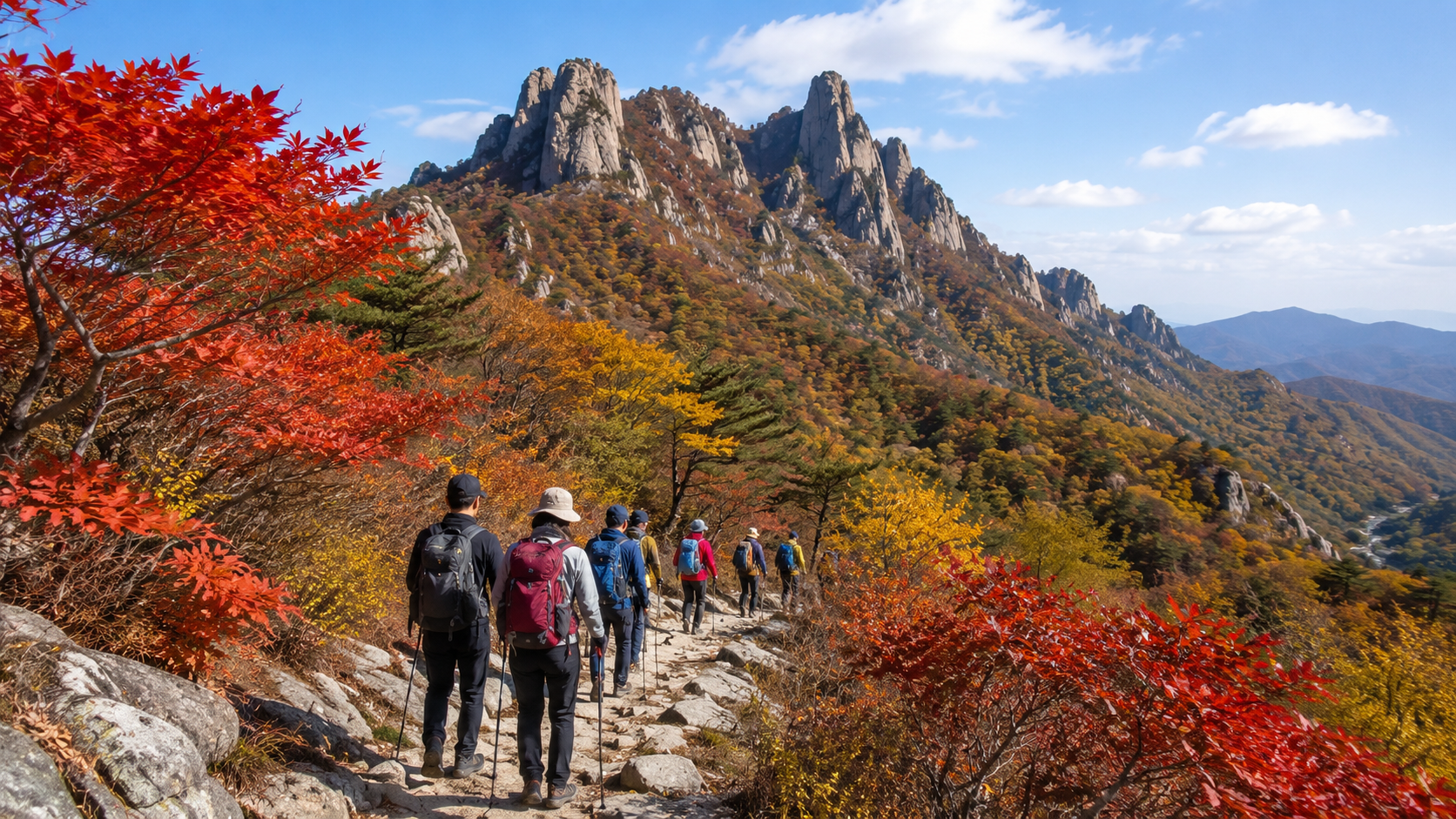
Autumn foliage does not peak everywhere at once. Color commonly begins earlier in northern mountains and moves later toward cities and southern areas. As a reference, the official 2025 tourism forecast expected nationwide peak foliage from late October into early November, but it also warned that actual dates could change with weather. Treat previous years only as a planning pattern and check the current year's VISITKOREA foliage information in September.
Well-known mountain destinations can become crowded on foliage weekends. Reserve accommodation and transport early if your itinerary includes Seoraksan, Naejangsan, or another major national park.
November: Quieter, colder, and less predictable
Early November can still provide excellent foliage in some cities and southern locations. Later in the month, trees become bare and nighttime temperatures fall quickly. November is useful for travelers who prefer cooler weather and are not relying on peak foliage, but pack for conditions that may shift from autumn to early winter.
Pack: layered clothing, a medium-weight jacket, walking shoes, and a warmer outer layer for mountains or late-November evenings.
Winter: December to February
Winter works well for skiing, hot springs, seasonal food, indoor cultural activities, and travelers who tolerate cold weather. It is not the easiest season for a first visit built around long outdoor days.
Seoul's average January temperatures in the tourism climate table range from a daytime high of approximately 2.1°C to a nighttime low near -5.5°C. Busan is milder, with a listed January high around 8.2°C and low near -0.1°C. Cold waves can push temperatures below these averages.
Do not assume that Seoul will be covered in snow. Snowfall may be brief, melt quickly, or miss the city altogether. For a snow-focused trip, monitor resort and local conditions rather than treating a winter date as a guarantee.
Winter advantages include fewer weather-related concerns from heat and humidity, atmospheric palace visits, and access to ski areas in Gangwon and other mountainous regions. The trade-offs are icy surfaces, short daylight, dry indoor heating, and possible cold-related disruption.
Pack: an insulated coat, thermal layers, gloves, a hat, warm socks, moisturizer, and shoes with dependable grip.
Choosing the best time for your itinerary
Seoul, Busan, and Gyeongju
Choose April, May, October, or early November for an itinerary centered on walking, palaces, traditional neighborhoods, markets, and archaeological sites. Busan remains milder later into autumn, but beaches are primarily a summer attraction.
Jeju Island
Spring and autumn are generally easier for driving, coastal walks, and outdoor sightseeing. Jeju's weather can change quickly, particularly around Hallasan Mountain. Flights and ferries may be affected by strong wind, heavy rain, or storms, so avoid scheduling a critical international connection immediately after an island segment.
Hiking and national parks
May and October are practical target months. Always check park notices because entry can be restricted for weather, wildfire prevention, trail maintenance, or ecological protection. Foliage weekends require extra time for traffic and queues.
Beaches
Plan for July or August if swimming is essential, but confirm the official opening period and lifeguard schedule for the specific beach. A beach may be physically accessible outside its supervised season without offering normal swimming services.
What to check before you go
- Review the KMA forecast seven to ten days before departure, then check it daily during the trip.
- Look at AirKorea before hiking, cycling, or spending a full day outdoors.
- Confirm the current year's cherry blossom or foliage forecast rather than relying on old social-media posts.
- Check national holidays and major festival dates before booking intercity transport.
- Verify attraction closure days and seasonal hours directly with the operator.
- Leave flexibility around Jeju flights, ferries, mountain hikes, and summer storm periods.
- Reserve accommodation early for cherry blossom weekends, autumn foliage areas, and Chuseok.
- Pack for temperature changes between daytime, evening, cities, coasts, and mountains.
Frequently asked questions
Is April or October better for Korea?
Choose April for blossoms and spring scenery. Choose October for hiking, generally stable outdoor conditions, and autumn color. October is usually the simpler option if you do not want the trip to depend on a short flowering window.
When is Korea's rainy season?
The main rainy period generally overlaps with late June through late July, but its timing and intensity vary. Heavy rain can also occur outside that range. Check current KMA advisories rather than assuming a fixed annual calendar.
What is the cheapest month to visit Korea?
There is no single reliably cheapest month because airfares and hotel rates depend on origin, holidays, events, and booking date. Instead, compare January or February outside Lunar New Year, early March, late November, and early December. Verify weather limitations and holiday dates before choosing solely by price.
When should I visit for cherry blossoms?
Use late March to mid-April as a broad planning window, with southern areas and Jeju generally earlier than Seoul and northern regions. Wait for the current year's forecast before finalizing blossom-specific domestic travel.
When should I visit for autumn leaves?
October through early November is the broad window. Mountain areas in the north usually change first, followed by central cities and more southerly locations. Peak dates may shift significantly with temperature and rainfall.
Useful next step
Choose your preferred season first, then check the official forecast and holiday calendar before booking non-refundable domestic transport. For a first trip without a weather-specific goal, target mid-to-late April, May, or October and keep at least one day flexible for changing conditions.