The cost of living in South Korea depends mainly on housing. A single person renting privately in Seoul should generally plan around KRW 1.5 million to KRW 3 million per month, excluding the rental deposit. Living with roommates, using university housing, or choosing a smaller regional city can reduce that substantially.
The figures below are planning estimates rather than official price averages. They were reviewed against official housing, transport, food-price, and health-insurance resources on June 10, 2026. Actual costs vary by neighborhood, housing contract, season, and lifestyle.
At a glance
| Expense | Practical monthly allowance for one person |
|---|---|
| Rent | KRW 450,000–1,500,000+ |
| Building fees and utilities | KRW 100,000–300,000 |
| Groceries and household supplies | KRW 300,000–600,000 |
| Eating out and delivery | KRW 150,000–600,000+ |
| Public transportation | KRW 62,000–120,000 |
| Mobile phone | KRW 20,000–80,000 |
| Healthcare and insurance | Depends on employment and visa status |
| Personal spending | KRW 100,000–500,000+ |
A careful student in shared housing may live on approximately KRW 900,000 to KRW 1.5 million per month. Someone renting a private studio in Seoul will more commonly need KRW 1.7 million to KRW 2.8 million. These estimates do not include tuition, international travel, major medical treatment, or the housing deposit.
Housing: the expense that changes everything
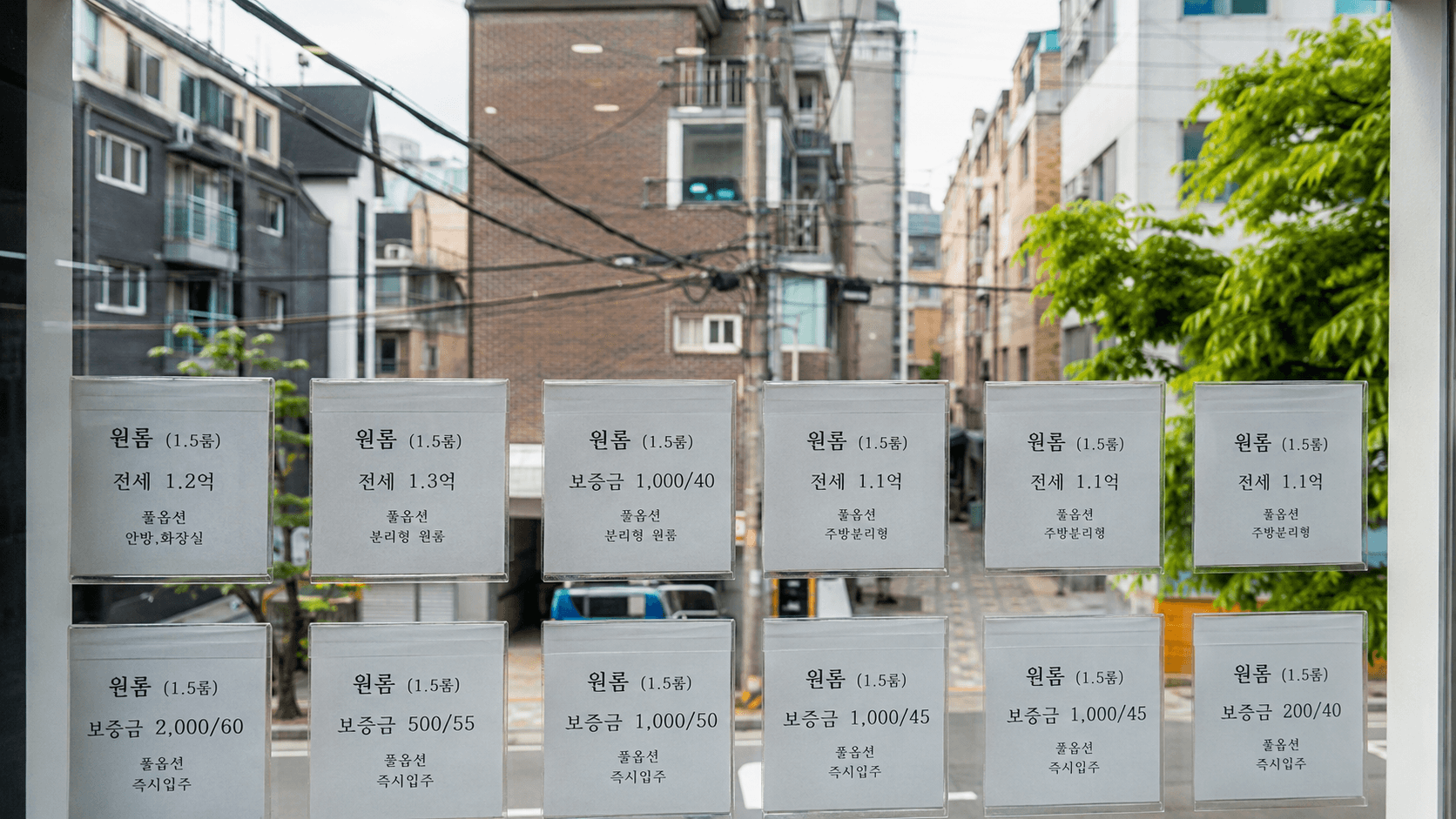
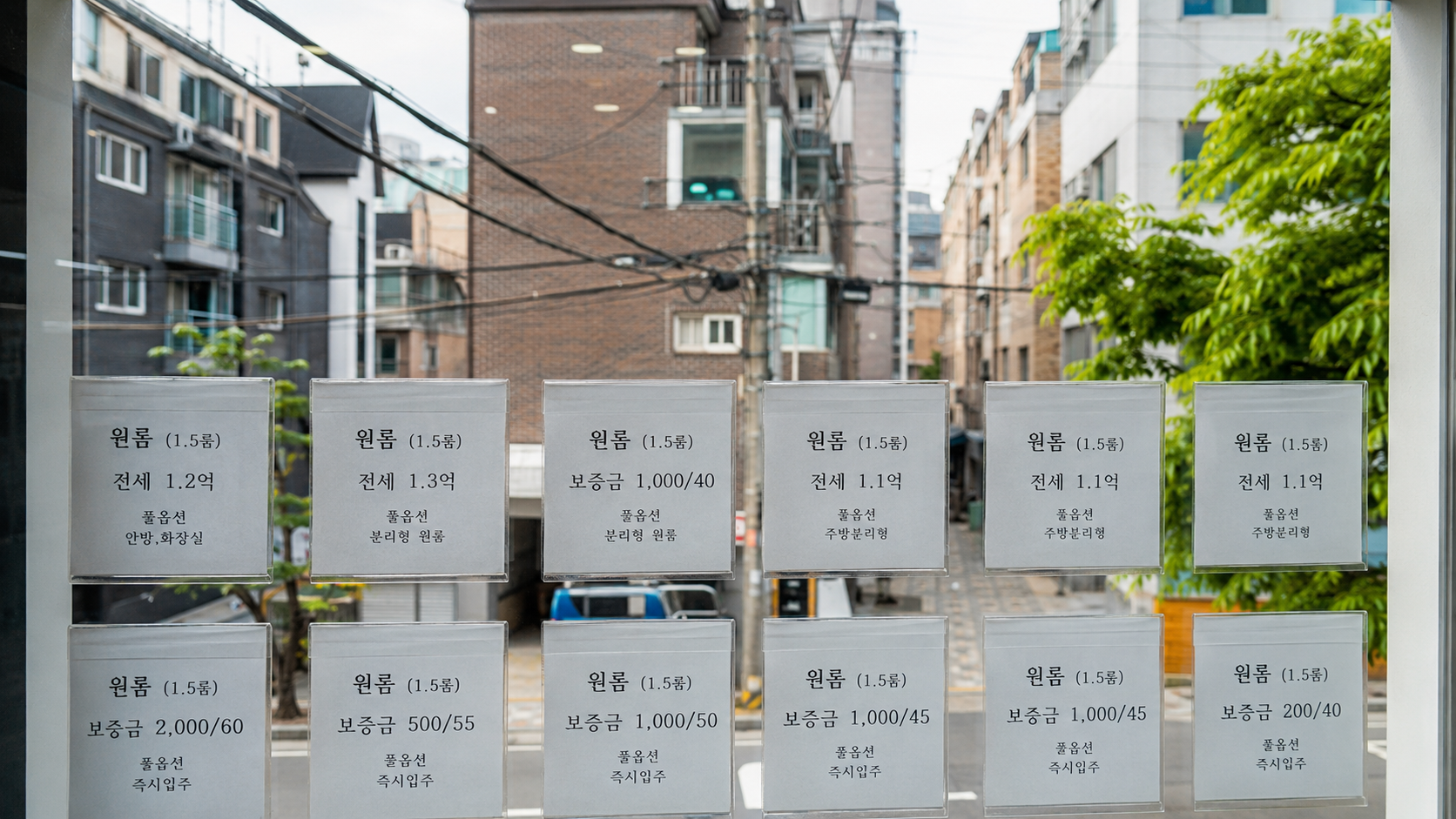
Korean rental advertisements normally show both the deposit and monthly rent. For example, 1000/60 generally means a KRW 10 million deposit and KRW 600,000 monthly rent. Confirm the units with the agent because Korean property listings sometimes abbreviate large amounts.
Wolse: deposit plus monthly rent
Wolse (월세) is the most familiar arrangement for newcomers: the tenant provides a refundable deposit and pays rent every month. The Seoul Metropolitan Government's housing guide explains that deposits are commonly equivalent to approximately 10 to 20 months of rent, although real contracts vary considerably.
For budgeting purposes, expect private studios to require several million won upfront. Newer buildings, larger rooms, furnished short-term rentals, and locations close to major universities or central business districts can cost considerably more.
Increasing the deposit may reduce the monthly rent, but this is a negotiation rather than a universal formula. Do not transfer a deposit simply because a landlord or agent promises a lower monthly payment.
Jeonse: a very large deposit
Jeonse (전세) involves providing a large lump-sum deposit instead of paying conventional monthly rent. Contracts commonly run for one or two years, with the deposit due in full by move-in and returned at the end of the tenancy.
Jeonse can lower monthly expenses, but it exposes the tenant to serious deposit-recovery risk. Foreign residents considering it should obtain independent contract advice, check the property's registered debts, and ask about applicable deposit-protection arrangements. The official Ministry of Land, Infrastructure and Transport transaction system provides reported sale and rental transaction information, although the interface is primarily in Korean.
This guide cannot assess whether an individual contract or deposit is legally safe. Use a licensed real-estate agent and seek qualified legal or housing advice before signing.
Where rent is lower
Within Seoul, moving away from popular central districts or major university areas can reduce rent, but calculate the added commuting time and fare. A home outside Seoul is not automatically inexpensive if it is beside a fast commuter line or a major employment center.
Busan, Daegu, Daejeon, Gwangju, and smaller cities often provide more space for the same housing budget. However, differences between neighborhoods can be larger than differences between cities. Compare actual registered transactions and current listings rather than relying on a citywide average.
Costs beyond the advertised rent
Ask for a written breakdown of the gwanribi (관리비), or building management fee. It may cover items such as common-area cleaning, internet, water, elevator maintenance, or building security, but inclusions differ by property.
Check all of the following before comparing two homes:
- Monthly rent and deposit
- Building management fee
- Electricity, gas, water, and internet inclusions
- Heating and air-conditioning system
- Brokerage commission
- Furniture and appliance costs
- Contract length and early-termination terms
- Parking charges, if applicable
A low advertised rent can be misleading when the management fee is high.
Utilities and communications
For one person in a small apartment, a practical allowance for management fees, electricity, gas, and water is roughly KRW 100,000 to KRW 300,000 per month. This is not a regulated flat price. Bills depend on the building, what the management fee includes, and how much heating or air conditioning you use.
Winter gas bills can increase sharply in homes with individual gas heating. Electricity use tends to rise during humid summer months when air conditioning runs regularly. Older buildings may also be less energy efficient.
Before signing a lease, ask to see recent winter and summer bills for the unit. This is more useful than accepting a general estimate from an agent.
Mobile phone and home internet
Budget approximately KRW 20,000 to KRW 80,000 per month for mobile service. Low-cost mobile virtual network operators, often called MVNOs or altteul phone services (알뜰폰), may be cheaper than the three major carriers. Prices depend on data limits, contract conditions, and device financing.
Some studios include basic internet in the management fee. If it is not included, check installation charges and minimum contract periods. Short-term residents should be cautious about multi-year contracts and early-cancellation fees.
Food and groceries
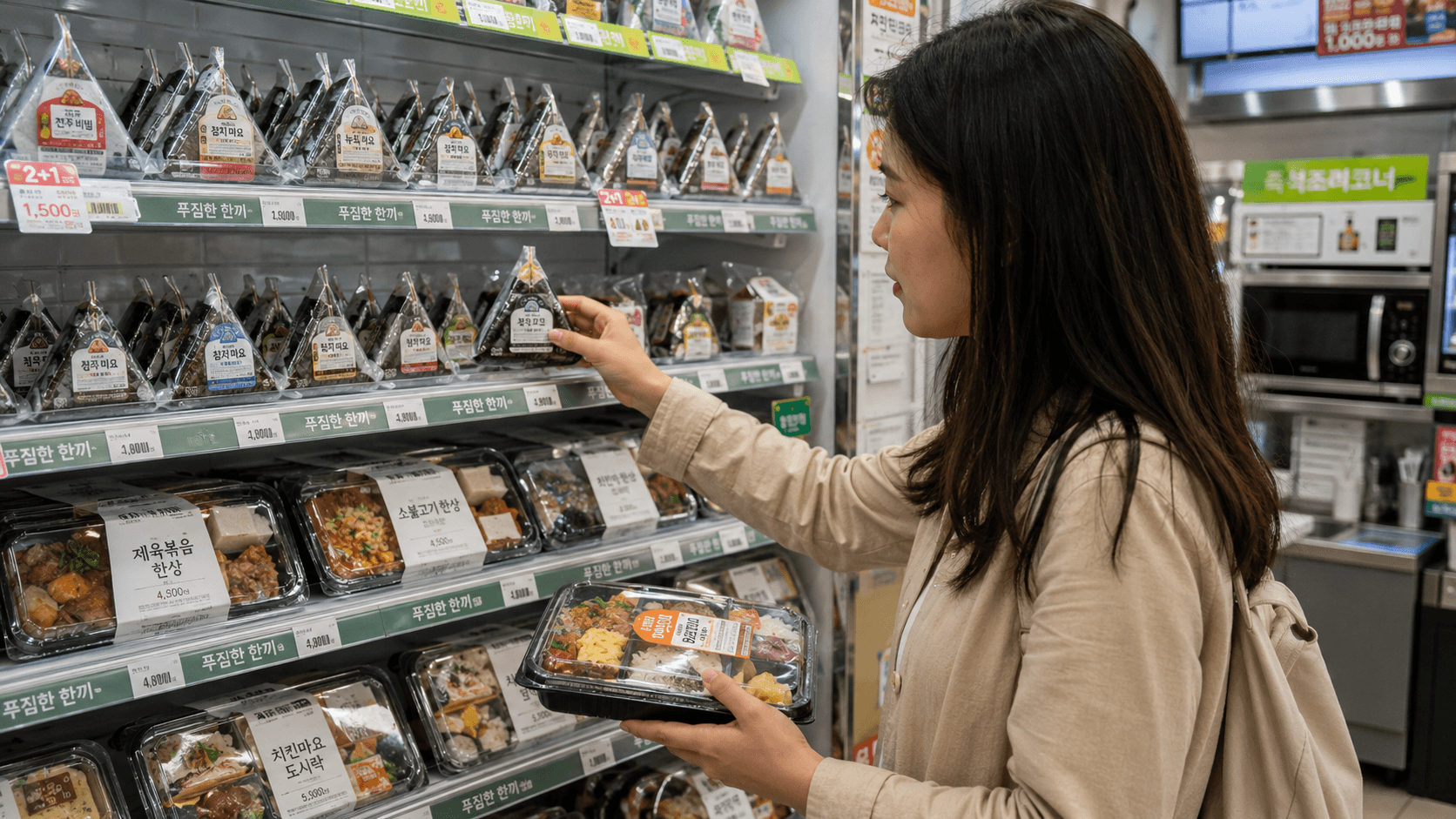
A single person who cooks regularly can use KRW 300,000 to KRW 600,000 per month as a starting grocery and household-supply budget. Imported cheese, specialty dietary products, certain fruits, and international brands can push the total higher.
Korea's public KAMIS agricultural price service, operated by the Korea Agro-Fisheries & Food Trade Corporation, publishes current retail and wholesale prices for agricultural products. Prices change by season, region, product grade, and store type, so a fixed grocery list becomes outdated quickly.
Useful ways to control food costs include:
- Buy seasonal produce rather than following the same menu year-round.
- Compare traditional markets, neighborhood supermarkets, and large chains.
- Check the price per 100 grams or kilogram, not only the package price.
- Avoid assuming that bulk packages are cheaper when living alone.
- Use university or workplace cafeterias when available.
Eating out and delivery
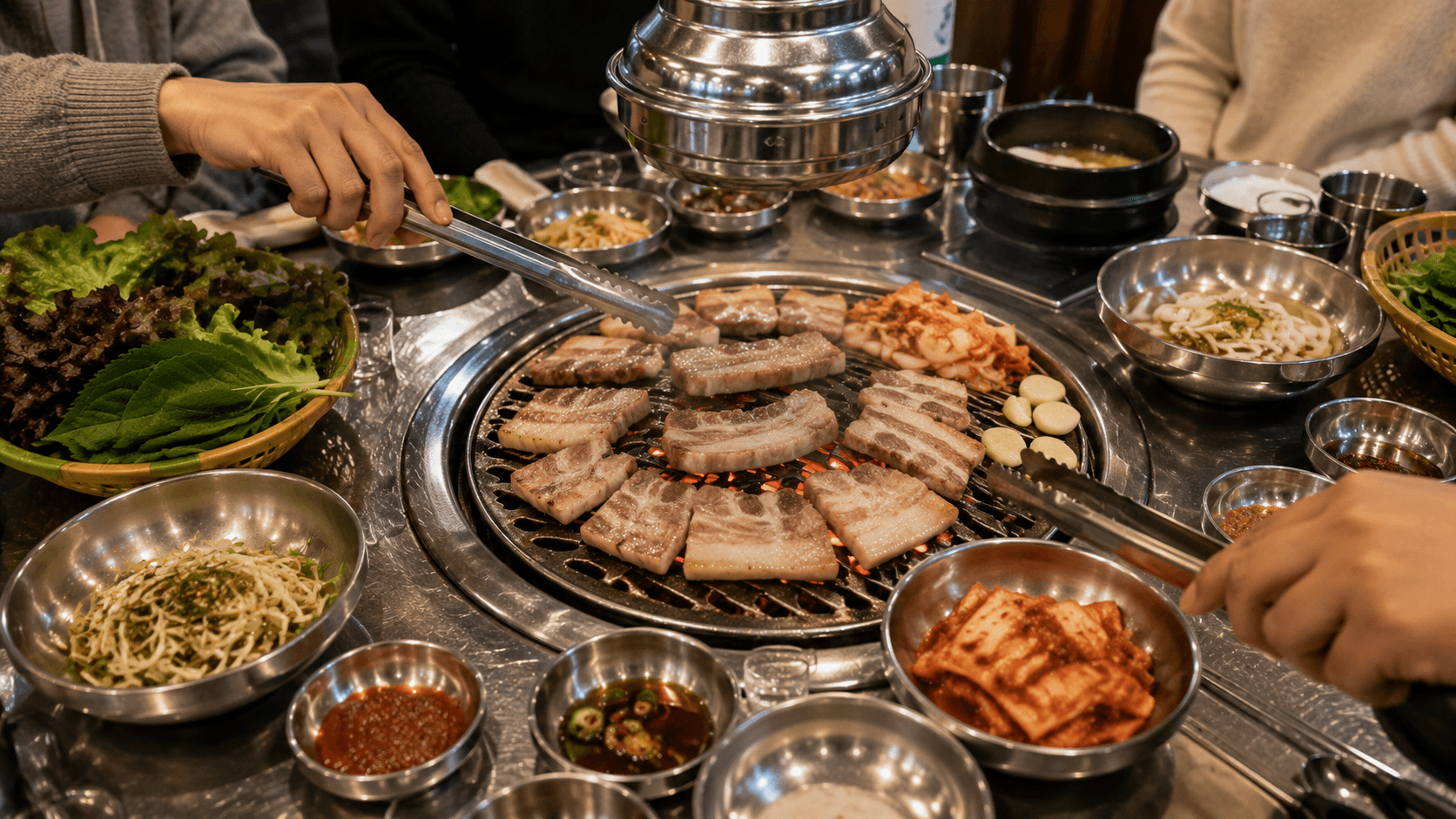
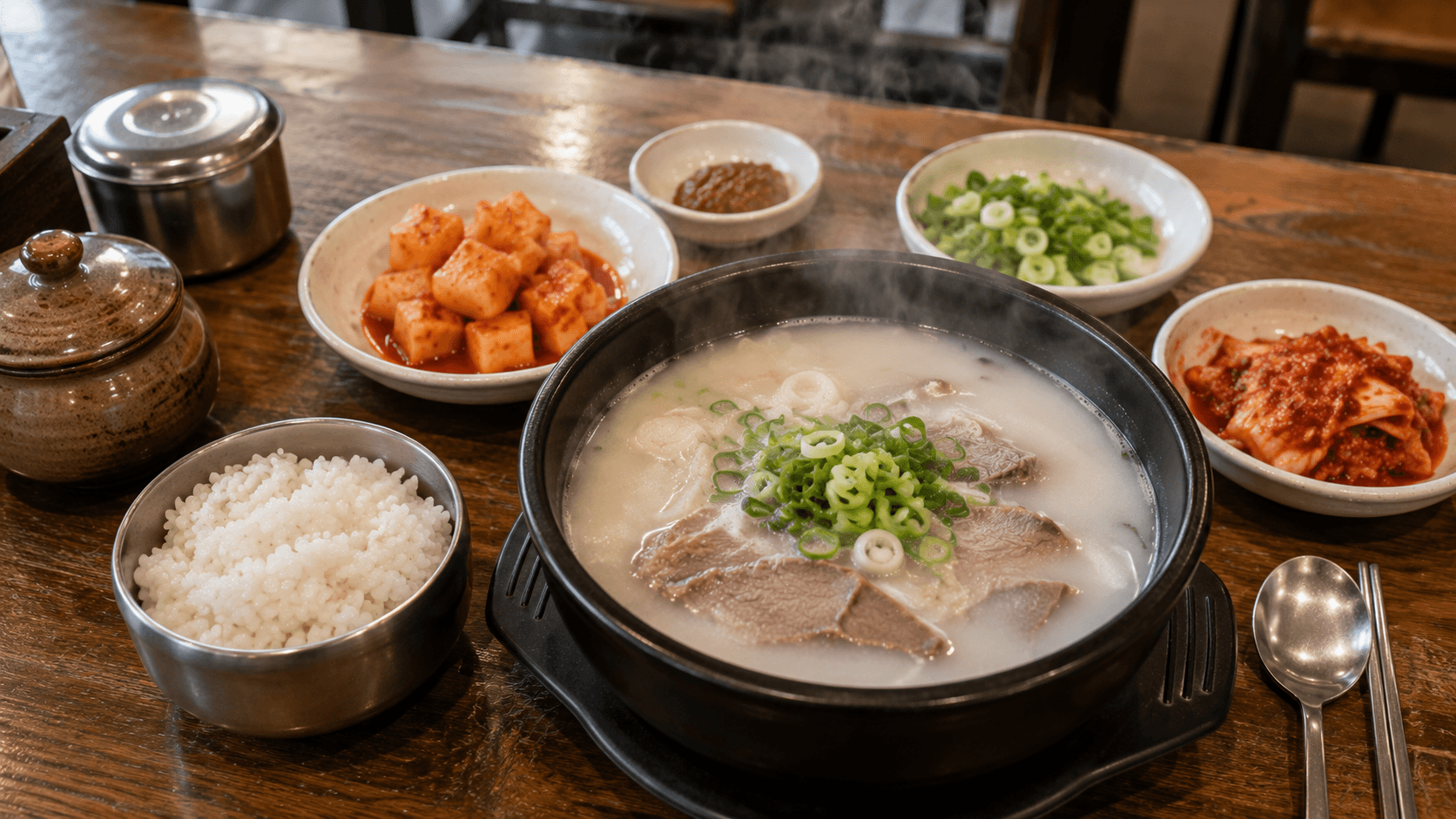
Simple local meals are usually more affordable than Western-style brunches, imported cuisine, or dining in nightlife districts. For mixed home cooking and casual meals, allow another KRW 150,000 to KRW 400,000 per month. Frequent restaurant meals, cafés, alcohol, and food delivery can raise this above KRW 600,000.
Delivery apps may add delivery, small-order, or distance fees. Some services also require a Korean phone number or locally supported payment method. Check the final checkout total rather than comparing menu prices alone.
Transportation
Public transportation makes living without a car practical in Seoul and other major cities. Regional fares and pass systems differ, so the figures here refer specifically to Seoul.
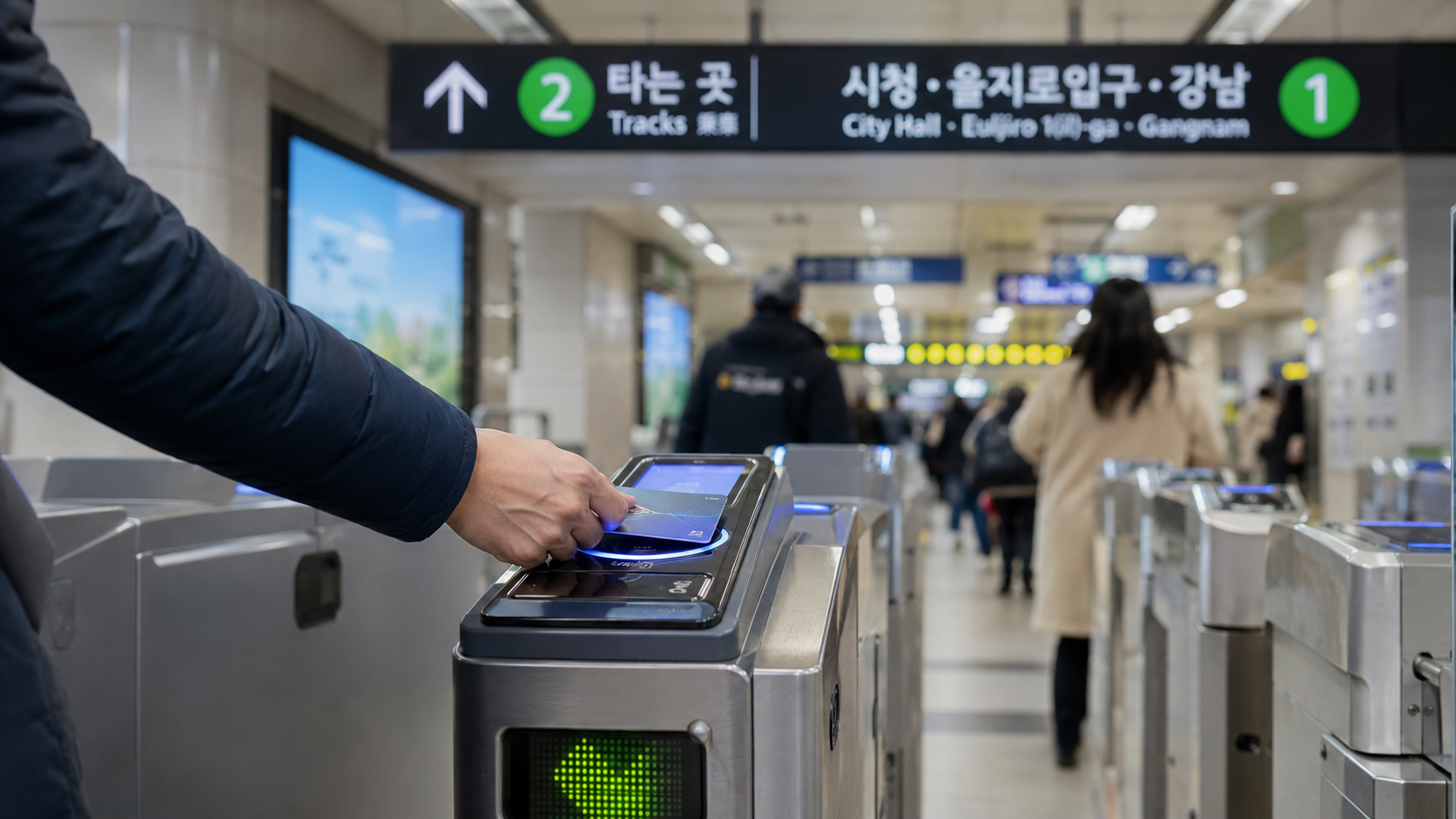
As verified on June 10, 2026, the adult Seoul subway base fare is KRW 1,550 with a transportation card and KRW 1,650 for a single-use ticket. The current fare took effect on June 28, 2025. A standard Seoul trunk or branch bus fare is KRW 1,500 for an adult. Distance charges can apply, and discounted transfers require passengers to tap their card when leaving a bus or subway. See the city's official transport fares and rules.
A commuter taking two ordinary rides on 20 weekdays would spend at least about KRW 62,000 before longer-distance charges or additional trips.
Is the Climate Card worthwhile?
As verified on June 10, 2026, Seoul's 30-day Climate Card costs KRW 62,000 without Ttareungi public bicycles or KRW 65,000 with them. Other versions include Hangang Bus access. Coverage does not include every metropolitan railway section, so check both ends of your commute on the official Climate Card information page.
The pass can be economical for frequent travel within its coverage area. Occasional commuters may spend less using an ordinary transportation card.
A physical Climate Card costs an additional KRW 3,000. Seoul states that supported station machines accept international credit and debit cards for eligible purchases and recharging, but machine and card compatibility can still vary.
Healthcare and insurance
Healthcare costs depend on whether you are enrolled through an employer, registered as a regional subscriber, covered under a reciprocal arrangement, or using private insurance. Visa type and length of residence can also affect enrollment.
Do not use a generic monthly figure to decide whether you are insured. Confirm your status and contribution directly with the National Health Insurance Service's guidance for foreign residents. As verified on June 10, 2026, the English consultation number listed by NHIS is 033-811-2000.
National Health Insurance does not necessarily make every service free. Patients may still have copayments, and some treatments, medicines, private rooms, dental services, or elective procedures may not be fully covered. Keep a separate medical contingency fund even when enrolled.
Exchange students should also check their university's insurance guidance because school requirements and national enrollment obligations are not always the same.
Sample monthly budgets
These are practical planning models, not official averages. Rent assumes wolse housing and excludes the refundable deposit and one-time moving costs.
Student or careful spender
| Category | Monthly budget |
|---|---|
| Shared room, dormitory, or inexpensive studio | KRW 450,000–700,000 |
| Utilities and management | KRW 80,000–180,000 |
| Food | KRW 350,000–500,000 |
| Transportation | KRW 60,000–90,000 |
| Phone and personal spending | KRW 100,000–250,000 |
| Estimated total | KRW 1,040,000–1,720,000 |
University dormitory fees may be charged by semester rather than monthly. Meal plans, bedding, vacation-period housing, and deposits may be separate.
One person renting privately in Seoul
| Category | Monthly budget |
|---|---|
| Studio rent | KRW 700,000–1,300,000 |
| Utilities and management | KRW 120,000–250,000 |
| Food and occasional delivery | KRW 500,000–850,000 |
| Transportation | KRW 62,000–120,000 |
| Phone, leisure, and household costs | KRW 200,000–500,000 |
| Estimated total | KRW 1,582,000–3,020,000 |
A central or recently built studio can exceed this range, especially when the deposit is low.
One person outside Seoul
A reasonable starting target is KRW 1 million to KRW 2 million per month, excluding the deposit. Housing may cost less, but transport needs can increase when destinations are spread out or public services finish earlier.
One-time costs when moving to Korea
Monthly budgets do not show the amount of cash required at the beginning. Prepare separately for:
- Housing deposit
- First month's rent
- Real-estate brokerage commission
- Temporary accommodation while searching
- Bedding, kitchenware, and cleaning supplies
- Furniture or appliances not included with the property
- SIM card and phone activation
- Transportation card or pass
- Utility or internet installation
- Residence-document and administrative expenses
- Emergency funds for contract or employment delays
For private rental housing, the deposit can easily be larger than several months of normal living expenses. Keep deposit money separate from your day-to-day budget and emergency savings.
Common budgeting mistakes
Comparing rent without comparing deposits
KRW 500,000 monthly rent with a KRW 20 million deposit is not directly comparable to KRW 650,000 rent with a KRW 5 million deposit. Consider how much cash will be locked into the contract and whether you can manage without it until the deposit is returned.
Ignoring management fees
Request the exact fee, its recent history, and a list of included services. Ask whether the fee changes according to use or season.
Assuming foreign cards work everywhere
International cards are widely usable but not universal, particularly for online subscriptions, identity-verified apps, bank transfers, and some unattended machines. Maintain more than one payment method and keep a small amount of cash available.
Underestimating setup costs
Short-term furnished housing costs more per month but may reduce furniture, appliance, and contract expenses. Compare the total cost over your actual stay rather than rent alone.
What to check before you go
- Decide how much cash you can place in a refundable housing deposit.
- Compare registered rental transactions for the exact neighborhood and building type.
- Confirm whether your employer or university provides housing, meals, insurance, or transport support.
- Ask for winter and summer utility bills before signing a lease.
- Check every item included in the building management fee.
- Confirm your National Health Insurance status directly with NHIS.
- Calculate your commute using current fares and Climate Card coverage.
- Keep enough accessible money for temporary housing and emergencies.
- Have a Korean contract reviewed before transferring a large deposit.
Your most useful next step is to choose two or three realistic neighborhoods, check recent registered rental transactions, and build a personal budget using the actual deposit, rent, management fee, and commuting cost for each option.