South Korea is not automatically an expensive destination. Public transport, local meals, and major cultural attractions can be surprisingly affordable, while hotels, cafés, nightlife, taxis, and shopping can raise your costs quickly. Excluding international flights, a practical starting budget is about KRW 70,000–120,000 per person per day for budget travel, KRW 150,000–280,000 for a comfortable mid-range trip, or KRW 350,000 and above for an upscale trip.
These are planning estimates, not fixed market averages. Accommodation prices change substantially by city, neighborhood, season, room occupancy, and cancellation policy. All fixed fares and admission prices in this guide were checked on June 9, 2026.
At a glance
| Travel style | Estimated daily cost per person | What it usually covers |
|---|---|---|
| Budget | KRW 70,000–120,000 | Hostel or shared room, local meals, public transport, mostly free or inexpensive attractions |
| Mid-range | KRW 150,000–280,000 | Private hotel room shared by two people, varied restaurants, public transport, paid attractions and occasional taxis |
| Upscale | KRW 350,000+ | Higher-end hotel, frequent taxis, premium dining, shopping and ticketed experiences |
International airfare, extensive shopping, intercity travel, medical treatment, and nightlife are not included. Solo travelers usually spend more per person because they cannot divide the cost of a hotel room or taxi.
What makes Korea affordable for tourists?
Urban public transport is inexpensive
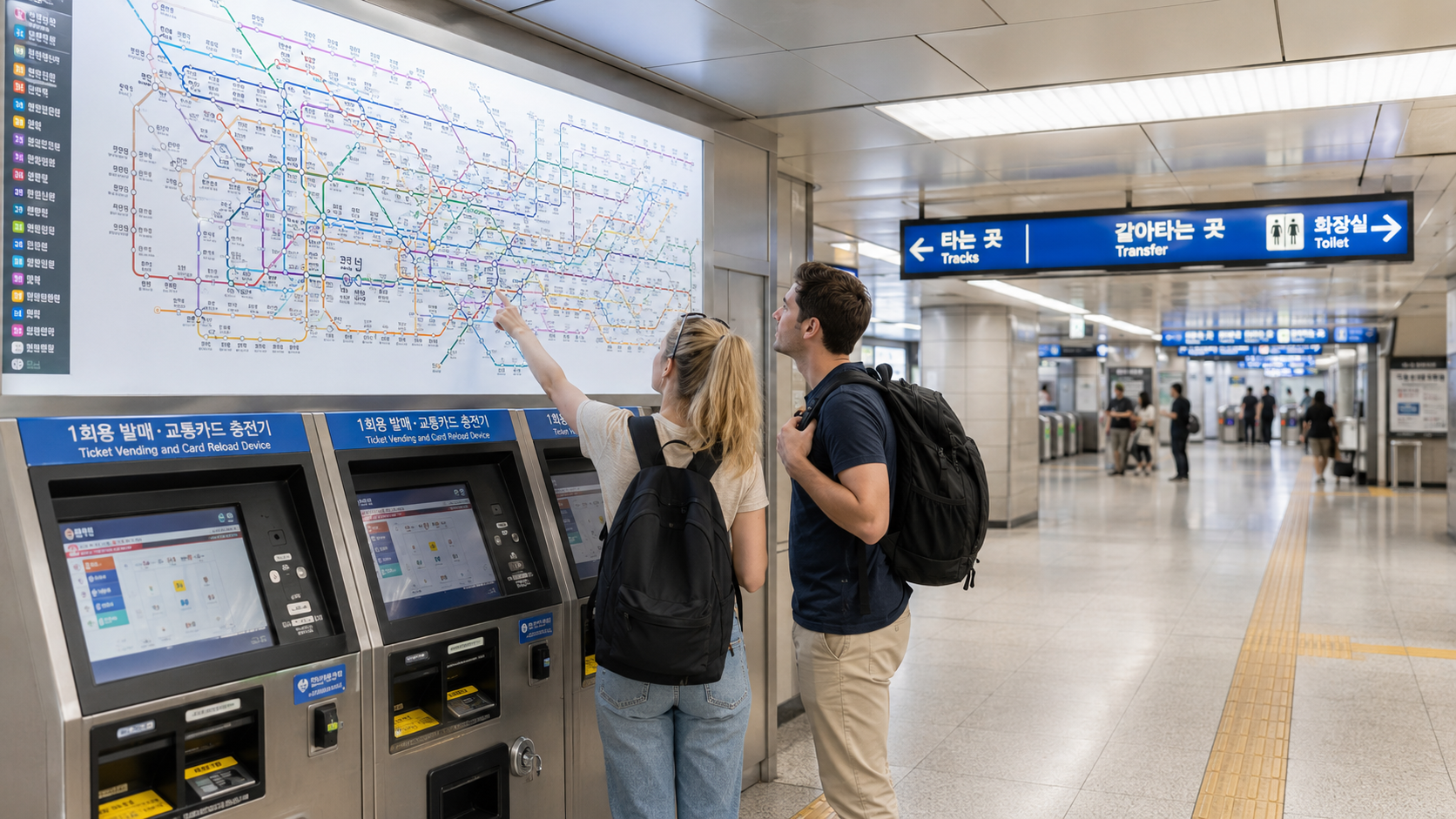
Public transport is one of Korea's strongest budget advantages. In Seoul, the adult subway base fare paid with a transportation card is KRW 1,550, while a single-journey ticket is KRW 1,650, according to the Seoul Metropolitan Government's fare information. Longer journeys cost more because the system uses distance-based additions.
Transfers between eligible buses and subway services are discounted when you use the same transportation card and tap correctly. In Seoul, remember to tap both when boarding and when leaving a bus. Failing to tap out can prevent the system from calculating a discounted transfer correctly.
A visitor making three or four ordinary journeys around central Seoul will often spend less than KRW 10,000 a day on transport. This makes staying a few subway stops outside the most popular neighborhoods a realistic way to reduce hotel costs without spending heavily on commuting.
For intensive sightseeing, Seoul's short-term Climate Card offers unlimited use within its designated network. As verified on June 9, 2026, passes cost KRW 5,000 for one day, KRW 8,000 for two days, KRW 10,000 for three days, KRW 15,000 for five days, and KRW 20,000 for seven days. A reusable physical card costs an additional KRW 3,000. Check the official Climate Card coverage and conditions before buying because airport buses, the Sinbundang Line, and some services outside Seoul are excluded.
Do the arithmetic before choosing a pass. A one-day pass may save money on a transport-heavy day, but an ordinary transportation card can be cheaper if you plan to walk between nearby attractions.
Many important attractions cost little or nothing
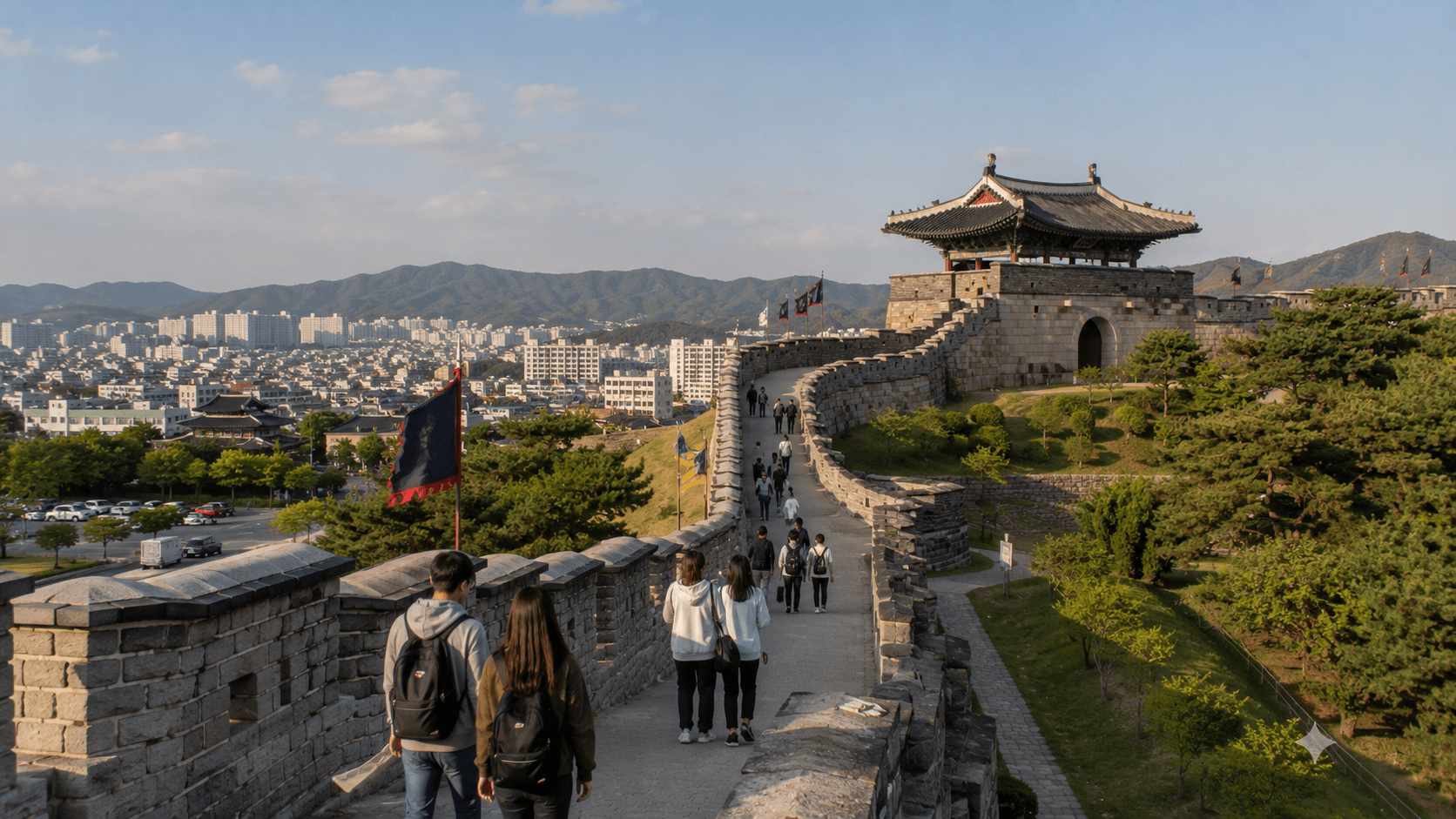
A full sightseeing day does not need an expensive admission budget. Gyeongbokgung Palace charges adults aged 19–64 KRW 3,000, according to the palace's official admission page. The same page lists a KRW 10,000 adult combination ticket covering one admission to five royal heritage sites within three months, including the Changdeokgung Secret Garden.
The permanent galleries at the National Museum of Korea are free, although certain special exhibitions charge separately. Current hours, closure dates, accessibility services, and exhibition conditions are listed on the museum's official visitor information page.
Public parks, traditional markets, many hiking routes, riverside areas, neighborhoods such as Ikseon-dong, and outdoor heritage spaces can also be explored without admission. The main danger to your budget is often not the attraction itself but the cafés, taxis, souvenirs, and paid activities added around it.
Where tourists spend the most
Accommodation
Accommodation is usually the largest expense and the least predictable one. Seoul generally costs more than smaller cities, while Busan prices can rise sharply near beaches during summer weekends. Cherry blossom season, autumn foliage periods, major festivals, concerts, and Korean public holidays can also affect availability.
For initial planning, consider these broad room-night allowances:
| Accommodation type | Useful planning allowance |
|---|---|
| Hostel dormitory or very basic guesthouse | KRW 25,000–60,000 per person |
| Simple private room | KRW 60,000–130,000 per room |
| Mid-range hotel | KRW 120,000–250,000 per room |
| Upscale hotel | KRW 250,000+ per room |
These are editorial budgeting ranges rather than guaranteed rates. Compare the final payable amount for your exact dates. Check whether taxes are included, whether the room has a private bathroom, and whether the booking is refundable. A low headline price can become less attractive after taxes, breakfast charges, or strict cancellation terms.
Also check the address on a Korean map service. A hotel described as being near a famous district may still require a long walk, bus journey, or transfer. Saving KRW 15,000 on a room is not necessarily worthwhile if you then rely on taxis every night.
Food and drinks
Korea can be affordable for everyday meals, but food costs depend heavily on where and what you eat. A sensible planning range is:
| Purchase | Typical budget allowance |
|---|---|
| Convenience-store breakfast or snack | KRW 3,000–8,000 |
| Simple local meal | KRW 8,000–15,000 |
| Casual restaurant meal | KRW 12,000–25,000 |
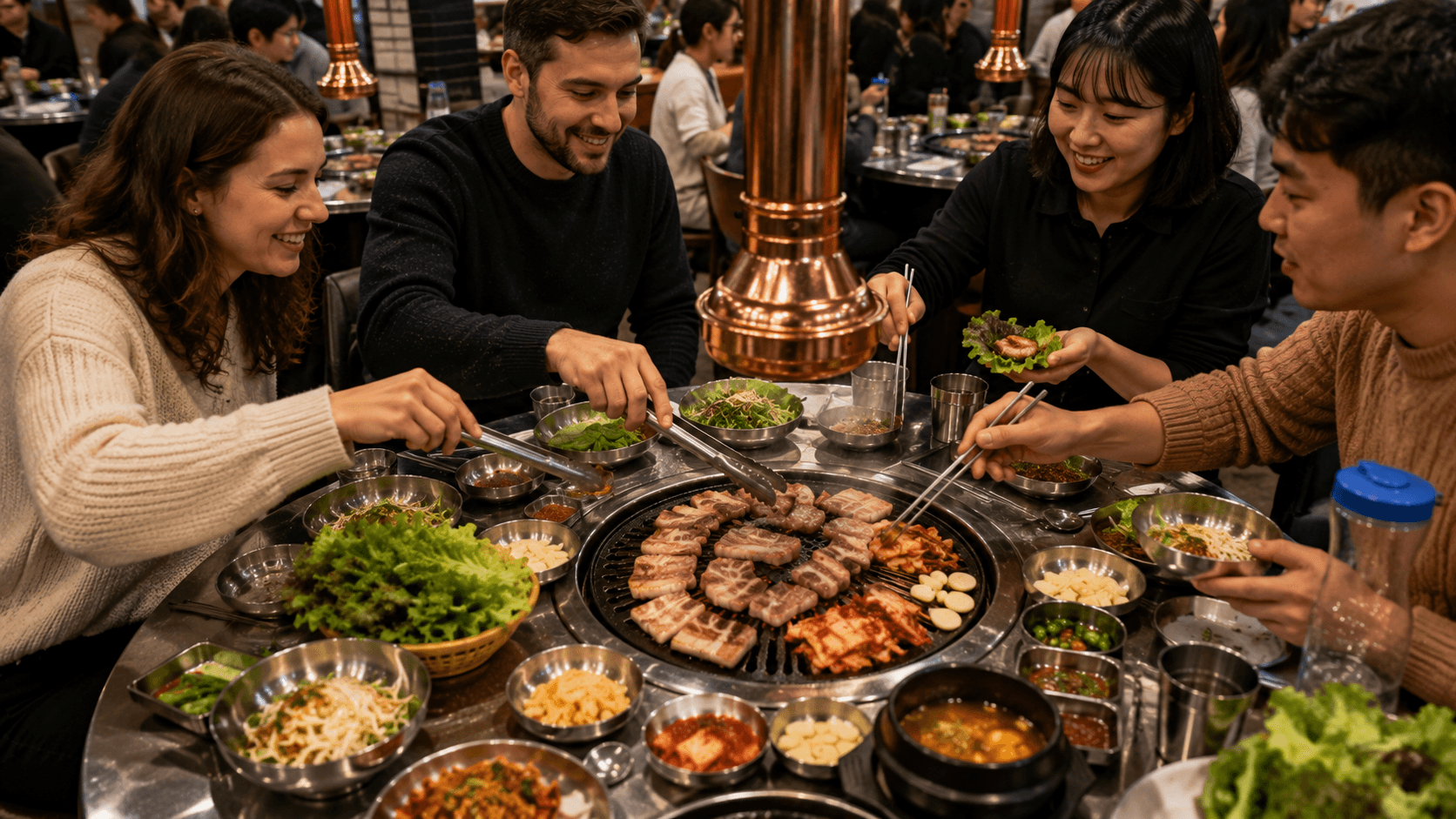
| Korean barbecue or shared specialty meal | KRW 20,000–50,000+ per person |
| Café drink | KRW 4,000–8,000 |
Treat these as budgeting guidance rather than official prices. Menus vary by neighborhood and restaurant.
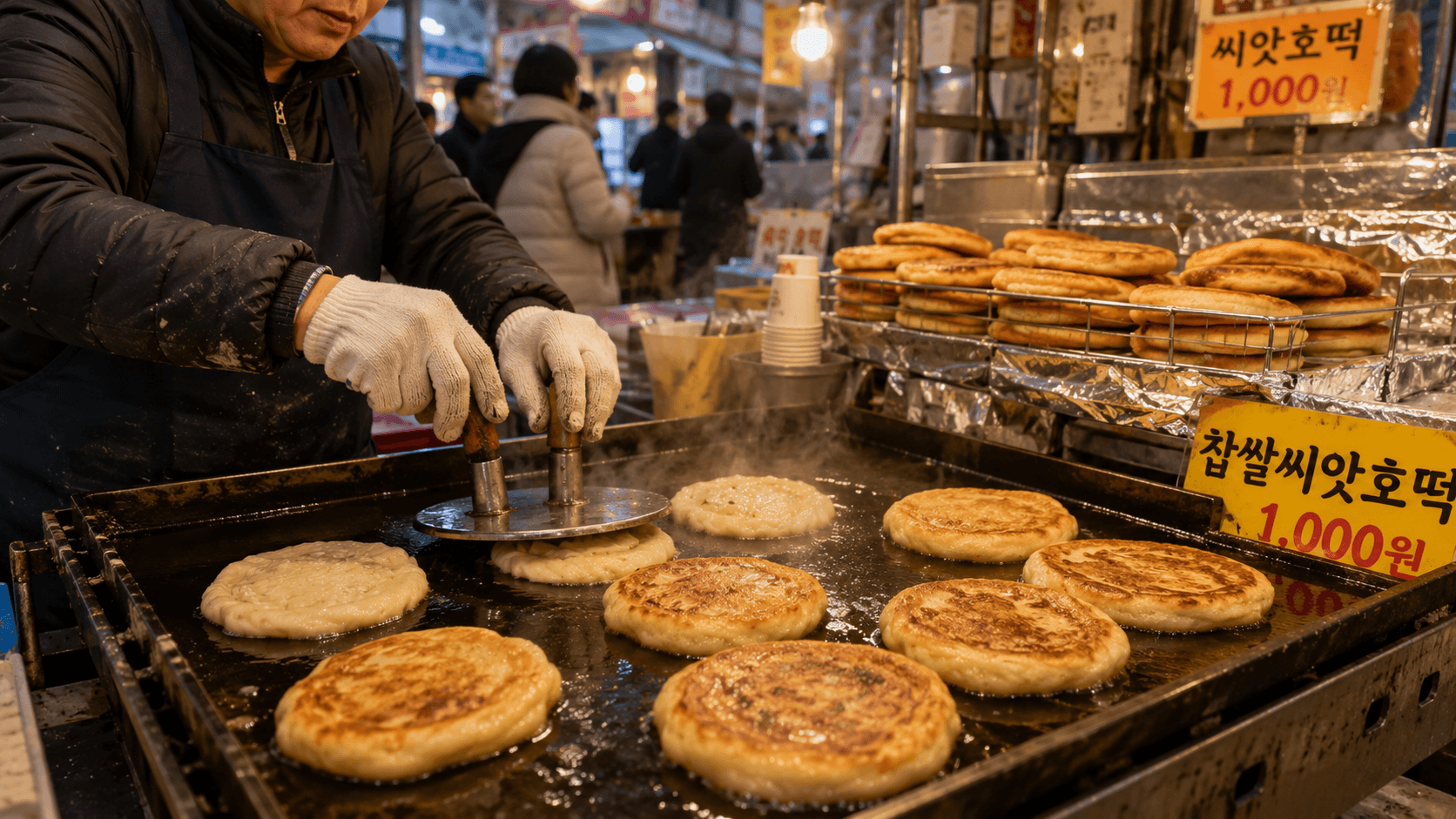
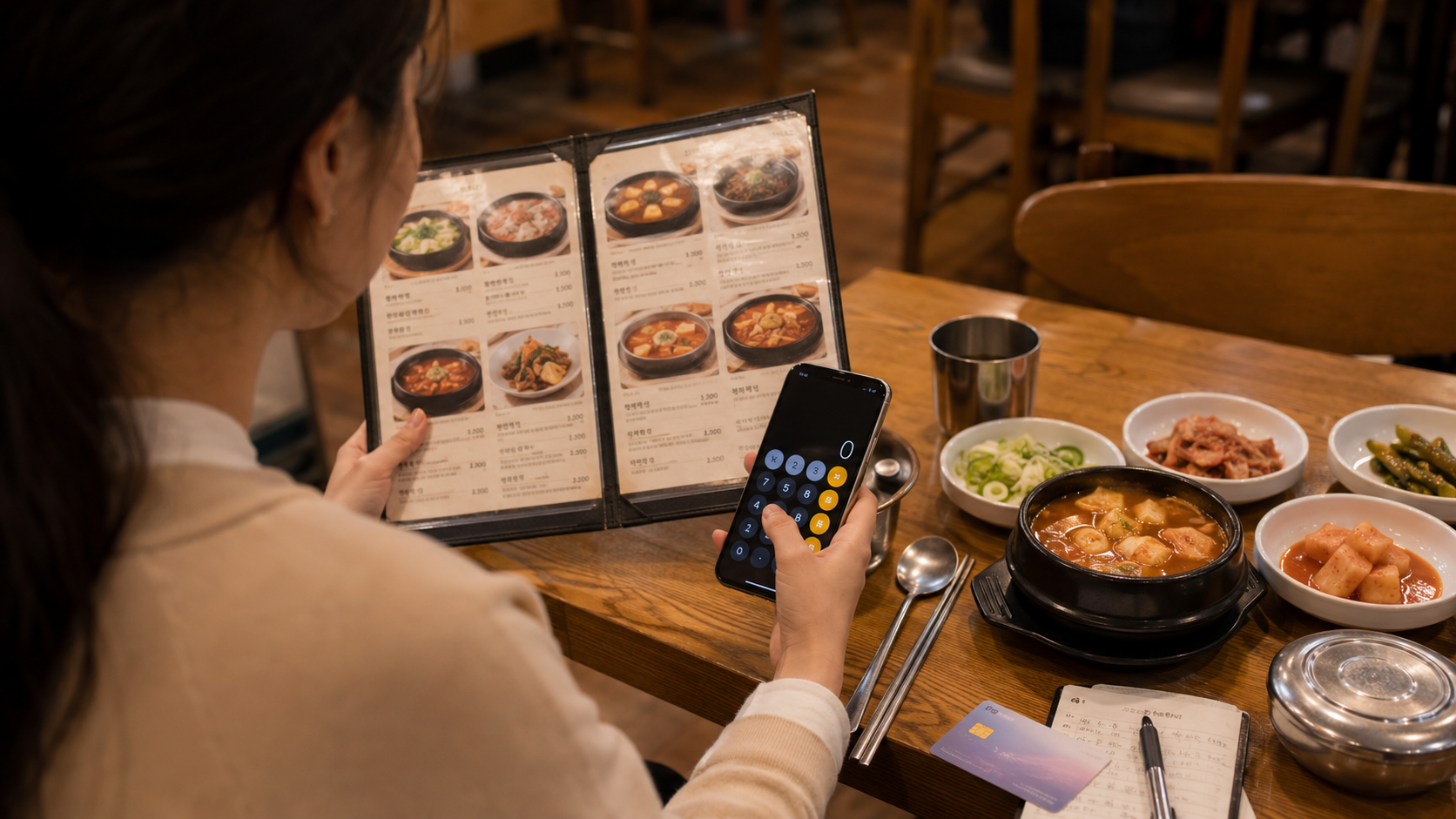
Traditional markets and university districts can offer inexpensive meals, but markets are not universally cheap. Trend-focused stalls, large seafood orders, and products priced by weight may cost more than expected. Confirm the total before ordering when a menu shows a price per person, per 100 grams, or at current market price.
Korean barbecue and dishes such as dakgalbi or hot pot are often designed for sharing. Some restaurants require a minimum order of two portions, which can make dining alone more expensive. Look for places offering single-person sets or order dishes such as soups, noodles, bibimbap, or rice bowls.
Café visits are another common source of budget drift. Two KRW 6,000 drinks each day add KRW 84,000 to a one-week trip before desserts are included.
Airport transfers
The inexpensive option from Incheon International Airport is usually the AREX all-stop train. The Seoul Metropolitan Government lists a one-way fare of KRW 4,150–4,750, depending on the airport terminal, with travel to Seoul Station taking approximately 59–66 minutes. See the city's official airport-to-Seoul transport guide and confirm the latest departure for your arrival date.
Airport limousine buses may be more convenient for travelers with large luggage or hotels close to a bus stop, but they cost more. Taxis are significantly more expensive and are affected by distance, traffic, tolls, vehicle type, and late-night surcharges.
Do not assume the nonstop AREX Express is automatically the most practical option. It ends at Seoul Station, while the all-stop train serves areas including Hongdae and Gongdeok. Choose according to your accommodation rather than journey time alone.
Intercity travel
KTX high-speed trains are convenient but can become a major expense when several cities are added to an itinerary. Prices depend on the route, train, seat class, and service. Check your exact journey through the official KORAIL website or KorailTalk app instead of relying on an old fare quoted in a blog.
Slower trains and express or intercity buses may cost less, but they require more travel time. Booking early is particularly important around Seollal, Chuseok, long weekends, and Friday or Sunday travel periods.
A common budgeting mistake is changing cities too frequently. Each move can create a train fare, station transfer, luggage-storage charge, and less usable sightseeing time. Using Seoul or Busan as a base for carefully selected day trips may cost less.
Taxis and late-night travel
Taxis within a city can be reasonable when divided among several passengers, but repeated rides quickly erase the savings from a cheaper hotel. Seoul taxis accept cash or cards, and the city recommends showing the destination address in Korean when necessary. Its official taxi guide also explains taxi availability signs, apps, and complaint procedures.
Late-night costs deserve special attention. Subway service does not run throughout the night, and the last train varies by station, direction, and operator. Missing it may leave you with a taxi fare much larger than your entire daytime transport budget. Check the final connection in a current navigation app before going out.
A realistic one-day budget in Seoul
Here is an example of a budget-conscious day. It is a planning model, not a quoted package price:
| Item | Estimated cost |
|---|---|
| Hostel bed | KRW 40,000 |
| Breakfast | KRW 5,000 |
| Subway and bus travel | KRW 6,000 |
| Gyeongbokgung admission | KRW 3,000 |
| Lunch | KRW 11,000 |
| Café drink | KRW 5,500 |
| Dinner | KRW 15,000 |
| Free museum or neighborhood walk | KRW 0 |
| Estimated total | KRW 85,500 |
A comfortable version might replace the hostel with half of a KRW 180,000 twin room, add a KRW 25,000 dinner and one KRW 15,000 taxi share. That produces an estimated total near KRW 170,000 per person.
The comparison shows why the answer to whether Korea is expensive depends more on travel style than on basic admission charges.
How to keep costs under control
1. Stay near useful transport, not necessarily a landmark
Choose accommodation within a manageable walk of a subway station with direct connections to the areas you will visit. In Seoul, reducing transfers can matter more than being in Myeong-dong or beside a palace.
2. Mix paid attractions with free ones
Pair a palace or observation deck with a museum, riverside walk, market, park, or hiking route. Paying for several immersive exhibitions and observation decks every day is not necessary for a varied itinerary.
3. Use a regular transportation card unless a pass clearly saves money
A standard Tmoney card works across much of the country. However, the Korea Tourism Organization's transport payment guide states that ordinary Tmoney purchases and top-ups generally require cash and do not accept foreign-issued cards. Seoul's newer machines accept international cards for single-journey tickets and short-term Climate Cards on supported lines. Review the Korea Tourism Organization's current transportation payment guide before arrival.
Carry a modest amount of KRW for transportation-card loading, small businesses, and backup payment. Foreign cards are widely useful but should not be your only payment method.
4. Compare the final accommodation price
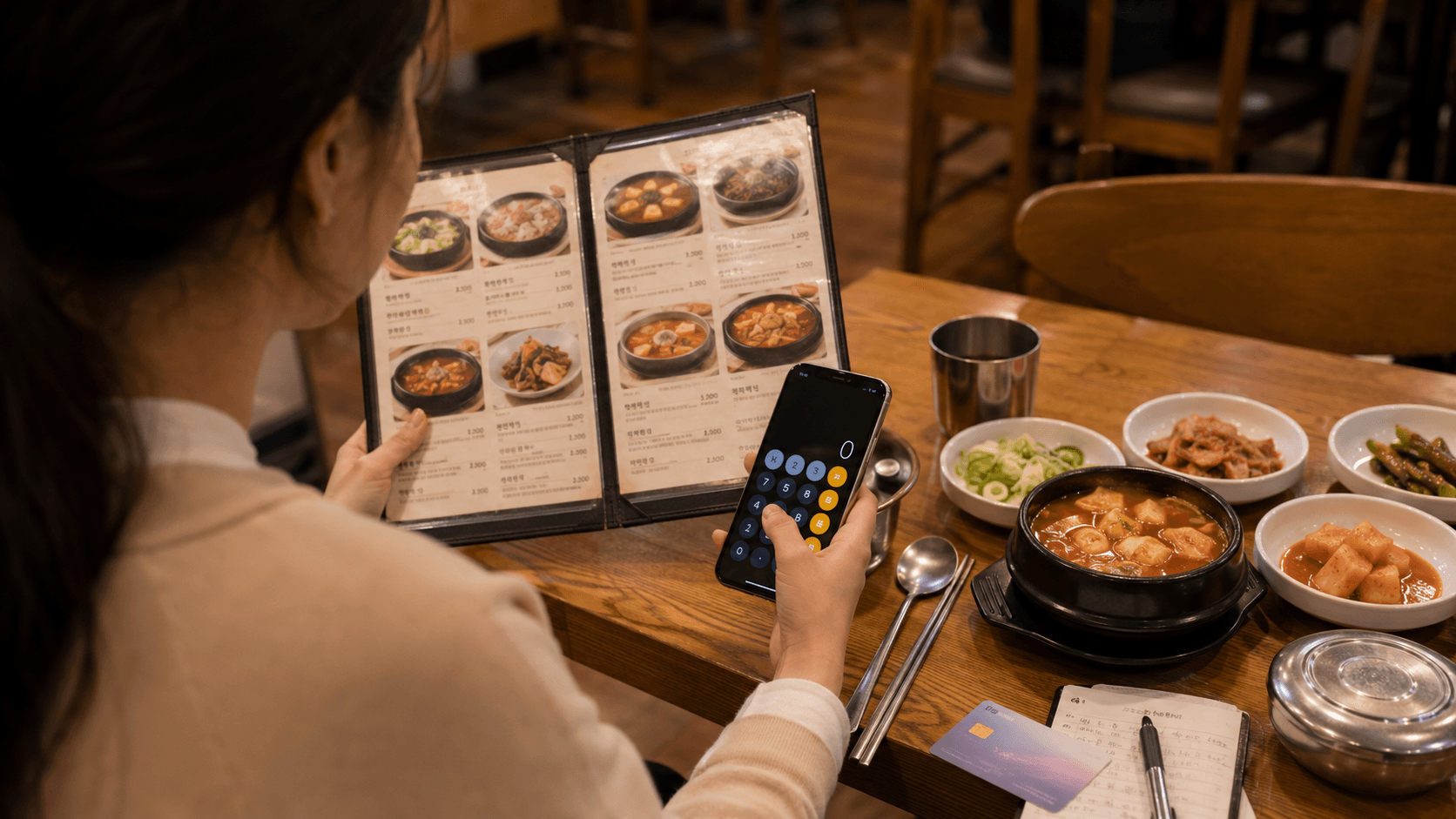
Search using your exact dates and number of guests. Compare like with like: taxes, room size, private bathroom, breakfast, cancellation terms, and distance from transport.
5. Check minimum orders
Before sitting down, look for wording such as a minimum of two servings. This is particularly relevant at barbecue, hot-pot, and chicken restaurants.
6. Set a separate shopping budget
Cosmetics, fashion, character goods, photo booths, pop-up stores, and convenience-store snacks are easy to treat as small purchases. Track them separately from your food and sightseeing budget.
Eligible short-term foreign visitors may claim tax refunds on qualifying goods from participating stores. The purchase threshold and procedures can change, so consult the Korea Tourism Organization's tax refund guide. Food consumed in Korea and opened or used goods generally do not qualify.
What to check before you go
- Search accommodation with your exact dates, taxes, and cancellation policy included.
- Confirm whether your airport arrival is before the final train or bus.
- Calculate whether a Climate Card is valid for the routes you will actually use.
- Check intercity tickets on the official operator's website, especially around holidays.
- Bring at least two payment cards and some KRW cash.
- Confirm foreign transaction fees with your card issuer.
- Check whether restaurant prices are per serving and whether a minimum order applies.
- Reserve a separate amount for shopping, cafés, and nightlife.
- Recheck admission fees and closure days shortly before visiting.
Frequently asked questions
Is Seoul more expensive than the rest of Korea?
Usually, accommodation is the clearest difference. Central Seoul hotels can cost considerably more than rooms in smaller cities. Food and café prices vary by neighborhood, however, and tourist districts in any city can be expensive.
Can I travel in Korea on KRW 100,000 a day?
Yes, excluding international flights, if you use a hostel or inexpensive guesthouse, eat mostly simple local meals, take public transport, and choose several free attractions. A private hotel room may push a solo traveler above that budget.
Do I need cash in Korea?
Do not rely on cash for every transaction, but carry some. Cards are common, while cash remains useful for loading a standard transportation card, certain market purchases, and situations in which a foreign card is rejected.
Is food in Korea cheap?
Basic local meals can be reasonably priced, especially compared with major cities in North America or Western Europe. Premium barbecue, seafood, imported food, fashionable cafés, and frequent alcohol orders are different categories and can be expensive.
Is shopping tax-free for tourists?
Not automatically. Refunds apply only to eligible visitors, goods, purchase amounts, and participating stores. Present your passport when requested, keep the correct refund documentation, and follow the official procedure before departure.
The practical next step
Price your trip in this order: accommodation, intercity transport, daily food allowance, local transport, attractions, and shopping. Once the first two are confirmed for your actual dates, you will have a much more accurate answer than any universal claim that Korea is cheap or expensive.
Sources
- Seoul Metropolitan Government: Public transport modes and fares
- Seoul Metropolitan Government: Climate Card
- Seoul Metropolitan Government: Getting to Seoul from Incheon Airport
- Korea Tourism Organization: Transportation booking and payment guide
- Gyeongbokgung Palace: Hours and admission
- National Museum of Korea: Visitor information
- Korea Tourism Organization: Tourist tax refund guide
- KORAIL: Official English booking website