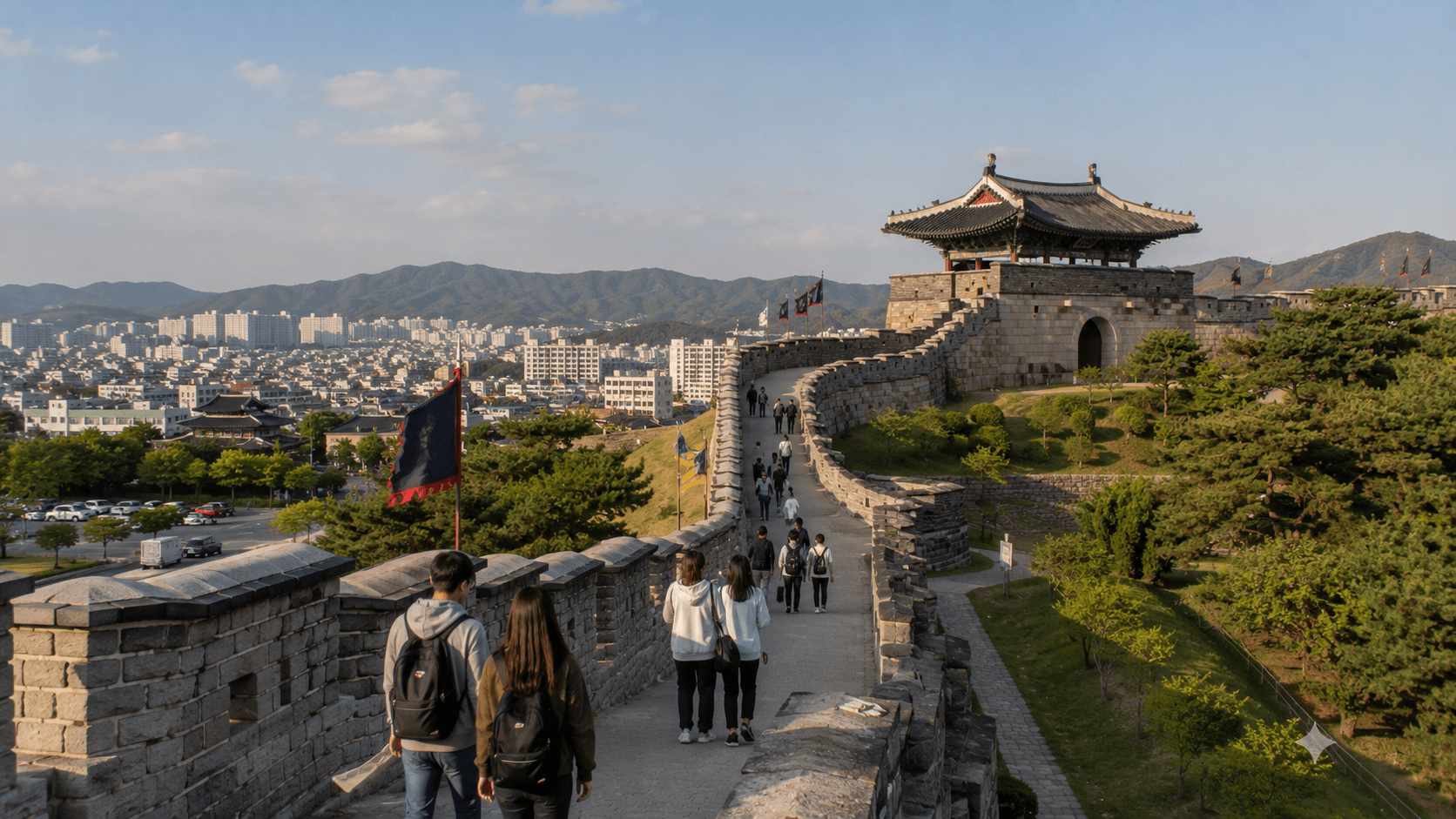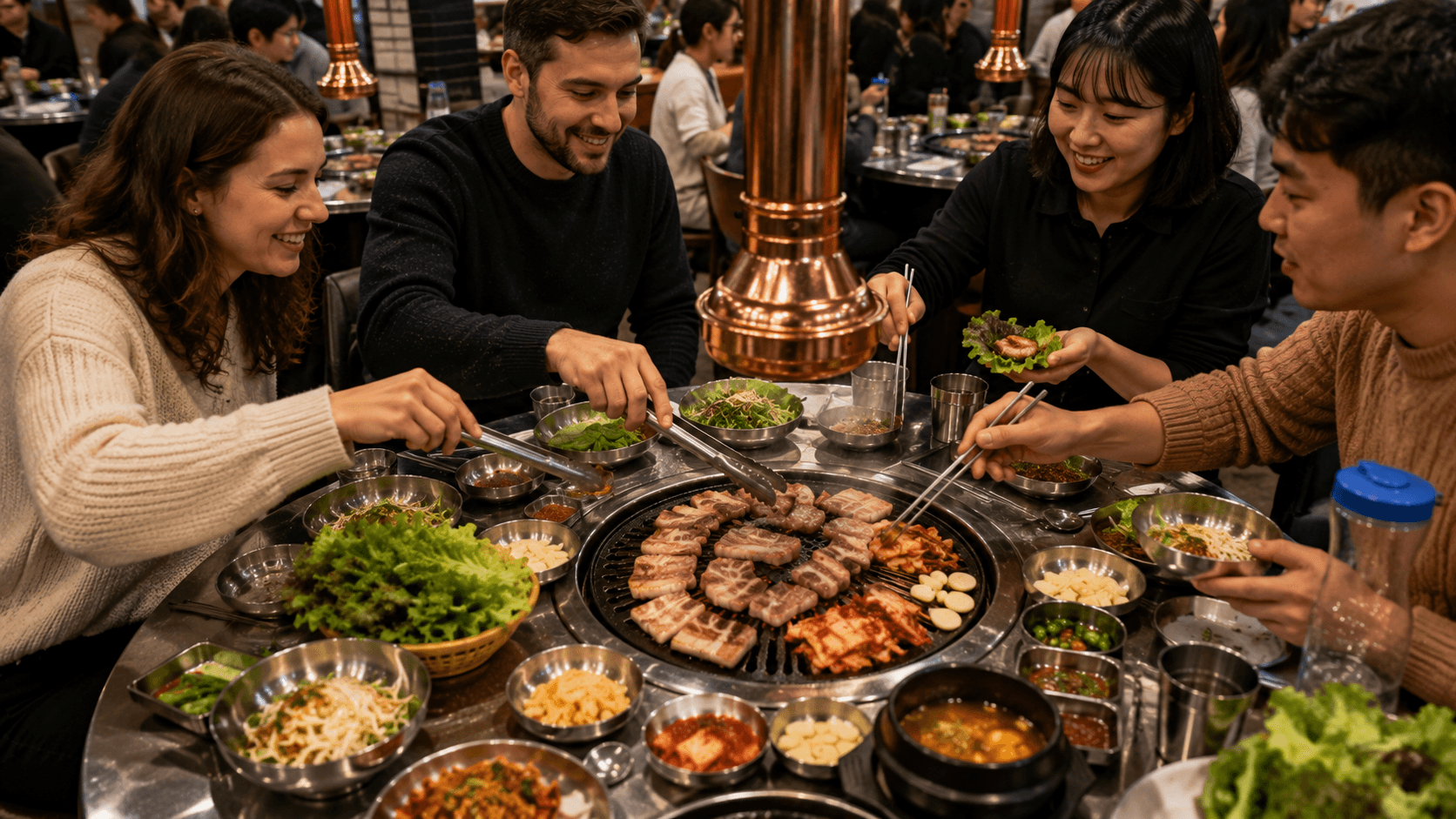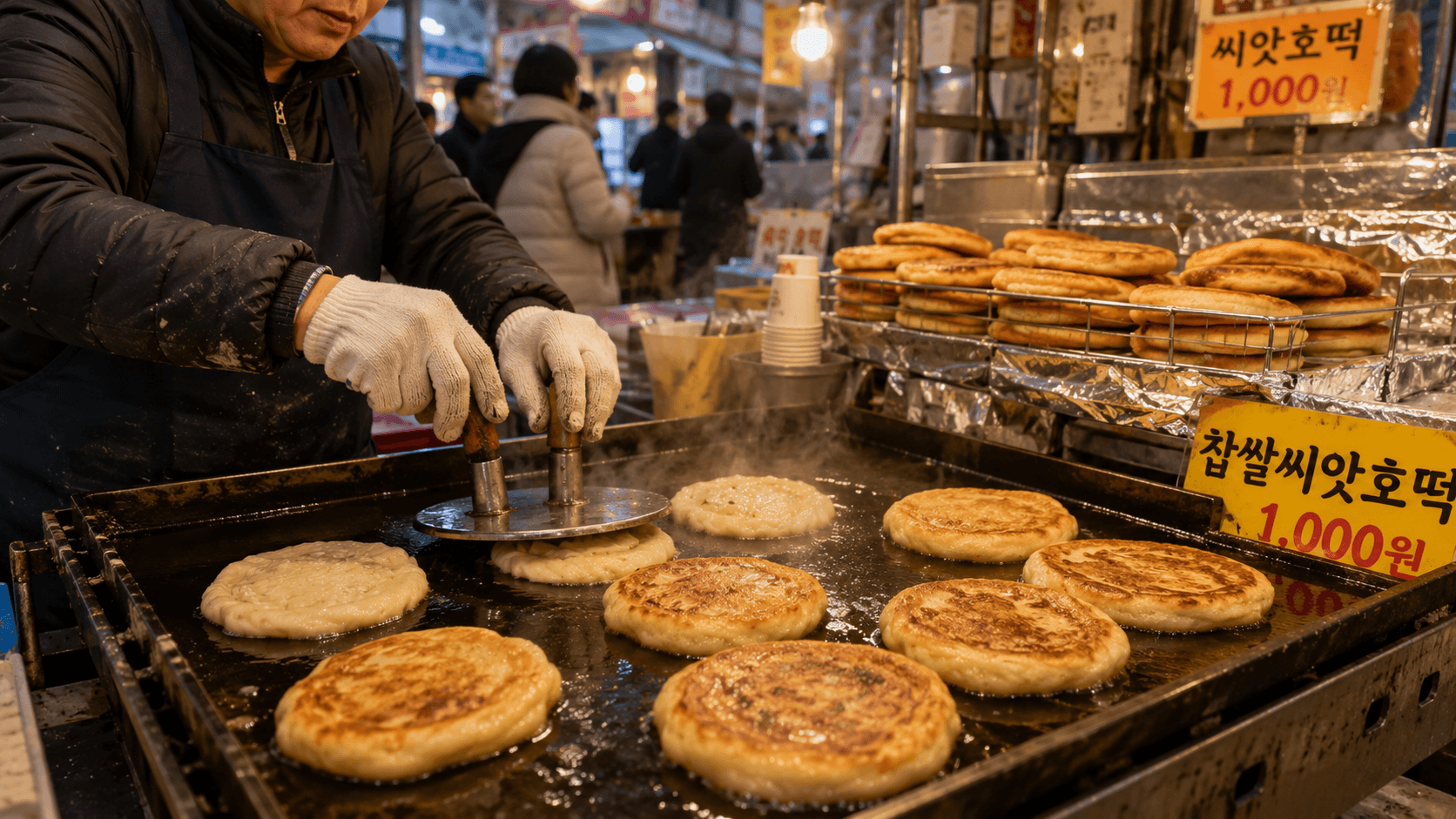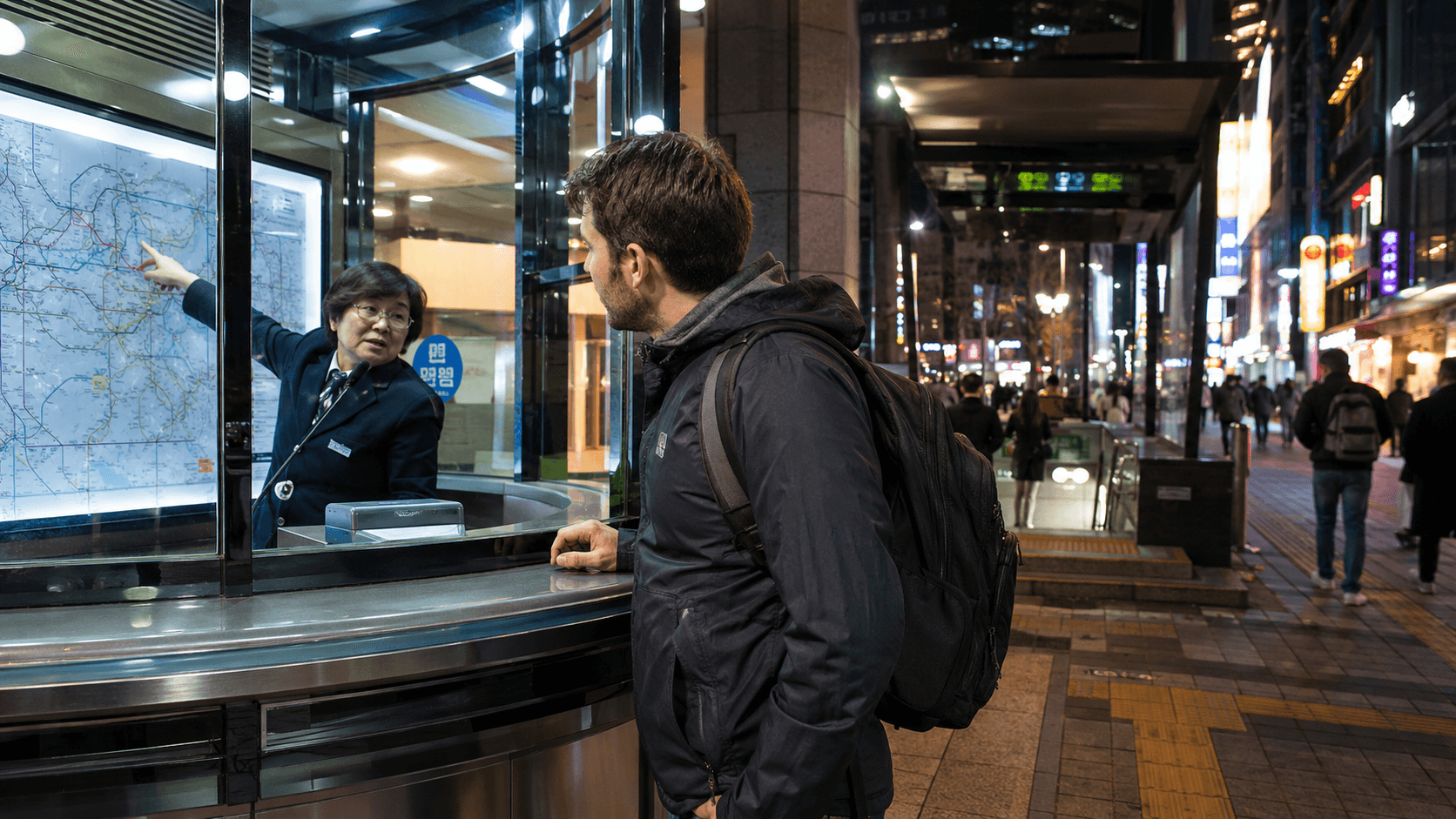
South Korea is generally a safe country for tourists, including solo travelers and first-time visitors. As verified on June 9, 2026, the U.S. Department of State lists South Korea at Level 1, meaning travelers should exercise normal precautions. UK government guidance similarly describes crime against foreigners as rare, although theft, assault, and sexual assault can occur.
The practical answer is therefore yes, with normal big-city awareness. Visitors should pay particular attention to road traffic, crowded nightlife districts, summer storms, mountain conditions, demonstrations, and Korean laws that may differ sharply from those at home.
Quick answer
| Question | Practical answer |
|---|---|
| Is violent crime common for tourists? | No. Official travel advisories describe violent crime and crimes against property as rare, but incidents still occur. |
| Is Korea safe for solo travelers? | Generally yes. Use additional caution late at night and around bars, clubs, and people met through dating apps. |
| Can tourists walk around at night? | Busy central districts are usually active late, but avoid isolated streets and have a planned route back. |
| Are public transport and taxis safe? | Generally yes. Use licensed taxis or established booking services and confirm the destination before departure. |
| What are Korea's emergency numbers? | Police: 112. Fire or ambulance: 119. Korea Travel Helpline: 1330. |
| Is the North Korea situation a daily concern? | Usually not for ordinary travel, but conditions can change. Monitor official advice and follow emergency alerts. |
Information and advisory status in this guide were checked on June 9, 2026.
How safe does Korea feel in practice?
Central areas of Seoul, Busan, Daegu, Daejeon, Gwangju, and other cities commonly remain busy into the evening. Subway stations, convenience stores, restaurants, and illuminated commercial streets provide a high level of activity in many neighborhoods.
That environment can make visitors relax quickly. It should not be treated as a guarantee of safety. The U.S. travel advisory specifically warns that Korea's low overall crime rate can create a false sense of security, particularly when alcohol, nightlife, dating apps, or unfamiliar acquaintances are involved.
Use the precautions you would use in any large city:
- Keep your phone, wallet, passport, and cards under control in crowds.
- Do not leave drinks unattended or accept open drinks from strangers.
- Tell someone where you are going when meeting a new acquaintance.
- Avoid walking alone through empty parks, riverside paths, or poorly lit alleys late at night.
- Keep enough battery power and mobile data to navigate or call for help.
- Store your accommodation's name and address in Korean.
Crime, theft, and tourist scams
The UK government's South Korea safety guidance states that crime against foreigners is rare but occasional theft occurs. Extra care is recommended in crowded places and districts frequently visited by international travelers, including Itaewon.
Pickpocketing is not something most visitors encounter, but basic precautions remain worthwhile in packed subway cars, markets, festivals, nightlife streets, and transport terminals. Carrying every bank card and all your cash in one wallet creates an avoidable problem if it is lost.
When paying in a taxi, restaurant, bar, or shop, check the displayed amount before approving a card transaction. Ask for a receipt if a fare or charge appears incorrect. Tourism-related complaints, including alleged overcharging, can be submitted through the Korea Tourism Organization's 1330 Travel Helpline and Complaint Center.
If you lose something
Contact the transport operator or venue first if you know where the item disappeared. For property submitted to the police, search the Korean National Police Agency's LOST112 service, which offers several language options. The official tourism information page lists the Lost and Found Center telephone number as +82-2-182.
If your passport is stolen, report it at a police station and contact your embassy or consulate. Keep a secure digital copy of the passport information page, but do not treat that copy as a replacement travel document.
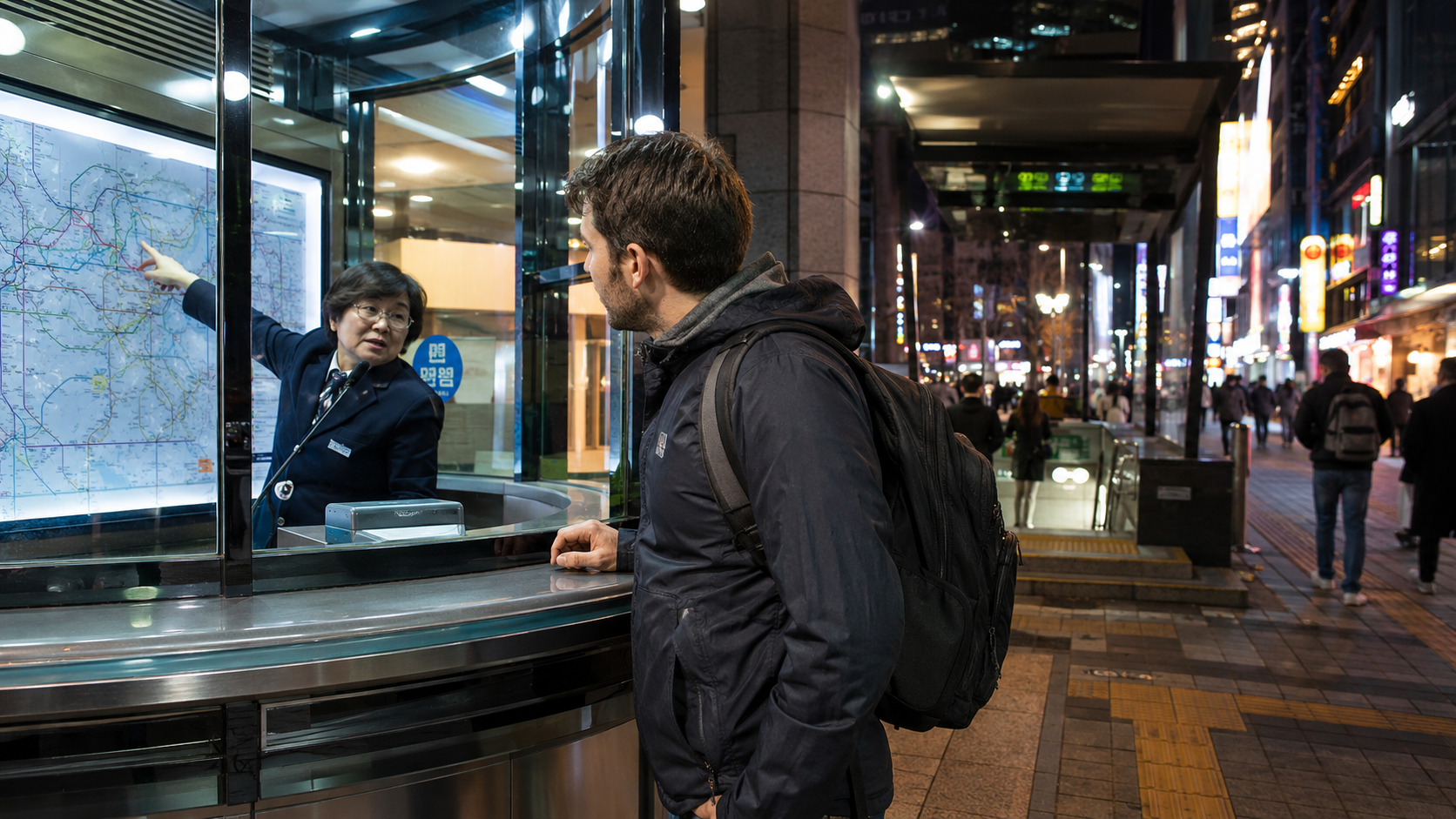
Nightlife and personal safety
Areas such as Hongdae, Itaewon, Gangnam, and Seomyeon can remain crowded well past midnight. Most visits are uneventful, but bars and clubs require the same caution as nightlife districts elsewhere.
Official U.S. guidance notes reports of sexual assault involving visitors, including cases connected to people met through social media, dating apps, or messaging services. Alcohol is often involved, and English-language support after an incident may be inconsistent.
Practical precautions include:
- Arrange your route home before drinking, especially after the subway's final services.
- Stay with trusted companions and check that everyone leaves safely.
- Do not leave a drink unattended.
- Avoid going to an unfamiliar private location with someone you have just met.
- Use a licensed taxi or established public transport service.
- Photograph or share the taxi plate number if traveling alone late at night.
- Call 112 if you feel threatened or cannot leave safely.
Victims of sexual assault or domestic violence can call police on 112. The U.S. travel advisory also identifies 1366 as Korea's 24-hour domestic violence hotline. Medical attention may be important even when a person is uncertain about making a police report.
Solo travelers and women traveling alone
South Korea is practical for solo travel because major transport systems are extensive and accommodation is widely available. The main difficulty is often communication rather than personal security.
Solo travelers should still avoid building their plans around the assumption that every district is equally active at night. A subway exit beside restaurants and shops may feel very different after a ten-minute walk into a residential or industrial area.
Before leaving your accommodation:
- Save its Korean name, address, and telephone number.
- Check the final subway or bus connection instead of assuming services run all night.
- Carry a charged power bank.
- Share live location or an itinerary with a trusted contact when meeting someone new.
- Move to a convenience store, hotel lobby, police station, or staffed transport facility if you feel unsafe.
In Seoul, the city-operated Ansimi safety app includes SOS and monitoring functions, although registration and feature availability should be checked before relying on it. Emergency calls to 112 remain the primary option for an immediate police response.
Road, taxi, and public transport safety
For many tourists, traffic is a more immediate everyday risk than street crime. Watch turning vehicles even when using a marked crossing, obey pedestrian signals, and do not step into a cycle lane while looking at a phone.
Motorcycles and delivery scooters may approach quickly near intersections or narrow streets. On roads without a clear pavement, walk facing traffic where practical and remain visible after dark.
Public transport is generally straightforward, but platforms, escalators, and transfer corridors can become extremely crowded during commuting hours. Stand clear of closing train doors and keep luggage out of the passenger flow. During festivals or major events, leave early if crowd density begins to feel uncomfortable.
For taxis, show the destination in Korean and confirm that the driver has understood it. UK travel guidance notes that taxi drivers may speak little or no English. Keep the map open during the journey, retain the receipt, and use 1330 for interpretation or a tourism complaint when the situation is not an emergency.
Demonstrations and political gatherings
Demonstrations are common in central Seoul, particularly near Gwanghwamun, Seoul City Hall, government buildings, and diplomatic missions. Most are peaceful and well-policed, but they can block roads, close station exits, and change bus routes with little notice.
Both U.S. and UK authorities advise travelers to avoid demonstrations and large political gatherings. Foreign visitors should also be aware that Korean immigration law restricts foreign nationals' participation in political activities. This is a legal matter, so consult Korea Immigration Service or your embassy if you need authoritative advice.
If you encounter a rally, do not push through it to maintain your original route. Move away from the crowd, follow police directions, and use another station or street.
North Korea, sirens, and emergency alerts
The Korean War ended with an armistice rather than a peace treaty, and tensions can rise after missile tests, military exercises, or other incidents. This does not normally disrupt tourism in Seoul or the rest of South Korea, but the situation can change with little notice.
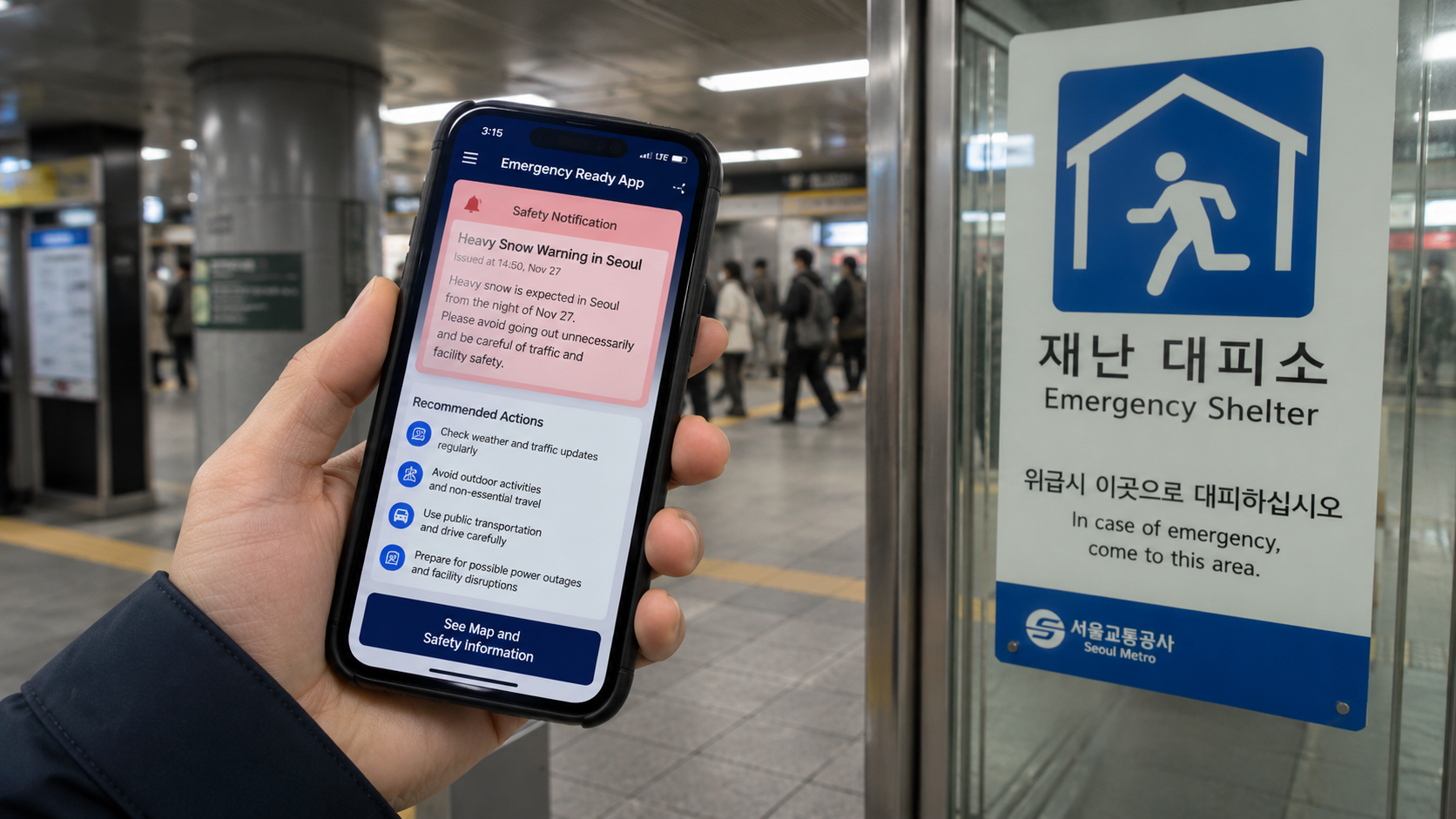
Visitors may receive loud Korean-language emergency messages on their phones. Some concern weather, missing persons, fires, or traffic restrictions rather than military danger. Do not ignore a message simply because you cannot read it.
Install the government-supported Emergency Ready app before traveling. As verified on June 9, 2026, it provides multilingual disaster alerts, safety guidance, civil-defense shelter locations, and information on police stations, fire stations, embassies, and emergency medical centers.
Civil-defense exercises may include sirens and temporary traffic controls. Follow instructions from police, station staff, or local officials. DMZ visitors should remain with their authorized tour and obey photography and movement restrictions.
Weather, hiking, and natural hazards
Seasonal weather deserves more attention than many first-time visitors expect. According to current UK government guidance, typhoons normally occur between June and November, while heavy summer rainfall is especially common in June and July. Flooding and landslides can affect cities, river paths, roads, and mountain areas.
Check the Korea Meteorological Administration's English service before hiking, visiting an island, or making a long intercity journey. Do not enter taped-off riverside paths, underpasses, beaches, or mountain trails during severe-weather warnings.
Korean mountains can be steep despite their modest height. Wear footwear with reliable grip, carry water, start early, and allow time to descend before dark. In winter, shaded trails may remain icy even when city streets are clear.
Emergency numbers and what to say
| Service | Number in Korea | Use it for |
|---|---|---|
| Police | 112 | Crime, threats, assault, immediate danger, or a serious traffic incident |
| Fire and ambulance | 119 | Fire, serious injury, acute illness, rescue, or medical emergency |
| Korea Travel Helpline | 1330 | Travel information, interpretation, and tourism complaints when there is no immediate danger |
| Domestic violence hotline | 1366 | Domestic or gender-based violence support |
| Infectious disease information | 1339 | Infectious disease guidance |
These numbers were verified through the Korea Tourism Organization's emergency information page and official travel advisories on June 9, 2026.
When calling 112 or 119, begin with your location. Read the Korean address from a map app, hotel card, receipt, or nearby sign. Useful short phrases include English, please and Yeogi... (여기, meaning here), followed by the address or landmark.
Do not call 1330 instead of emergency services when someone is in immediate danger. Call 112 or 119 first.
Korean laws that can surprise visitors
Drug laws are strict, including rules covering cannabis and some medications that may be legal elsewhere. Certain controlled prescription medicines require advance approval from Korea's Ministry of Food and Drug Safety. Check your exact medication before departure and obtain official confirmation rather than relying on online anecdotes.
Carry medicines in their original packaging with prescription documentation. Travelers using amphetamines, narcotics, opioids, or other controlled substances should consult the Ministry of Food and Drug Safety and their nearest Korean embassy well before travel. This is not legal or medical advice; requirements depend on the substance and circumstances.
Other sensible precautions include carrying identification, following photography restrictions around military facilities, and never flying a drone without confirming local airspace and registration rules.
What to check before you go
- Read the current travel advisory issued by your own government.
- Purchase insurance covering medical treatment, planned activities, and emergency transport.
- Confirm whether your prescription medicine requires Korean approval.
- Install Emergency Ready and enable the correct language and region.
- Save 112, 119, 1330, your insurer, and your embassy in your phone.
- Store your accommodation's address in Korean.
- Check the KMA forecast for typhoons, heavy rain, snow, heat, or strong wind.
- Review the final train or bus time when planning late-night activities.
- Give a trusted person access to your itinerary and emergency contact details.
FAQ
Is Seoul safe at night?
Busy parts of Seoul are generally active and well lit late into the evening. However, nightlife-related assault and theft can occur. Use licensed transport, avoid isolated routes, and keep control of your drink and belongings.
Is Korea safe for a woman traveling alone?
Generally, yes, but low overall crime should not lead to relaxed precautions around nightlife, dating apps, or unfamiliar people. Share plans with someone you trust and call 112 if you are threatened.
Is public transport safe?
Yes, public transport is generally a practical way to travel. The main concerns are crowding, missed final services, luggage obstructing passenger flow, and road safety when entering or leaving stations.
Should tourists worry about North Korea?
Routine tourism usually continues during periods of political tension. Monitor your government's advisory, keep emergency notifications enabled, and follow local instructions if the situation changes.
Can emergency operators speak English?
Foreign-language assistance may be available, but it should not be assumed to be immediate in every location. Give your address first and use 1330 for interpretation in non-emergency situations.
Your most useful next step is to install Emergency Ready, save the five relevant telephone numbers, and store your first accommodation's Korean address before boarding your flight.
Sources
- Korea Tourism Organization: Emergency Situations
- Korea Tourism Organization: 1330 Travel Helpline and Complaint Center
- Seoul Metropolitan Government: Emergency Ready App
- Korea Meteorological Administration
- U.S. Department of State: South Korea Travel Advisory
- UK Government: South Korea Safety and Security