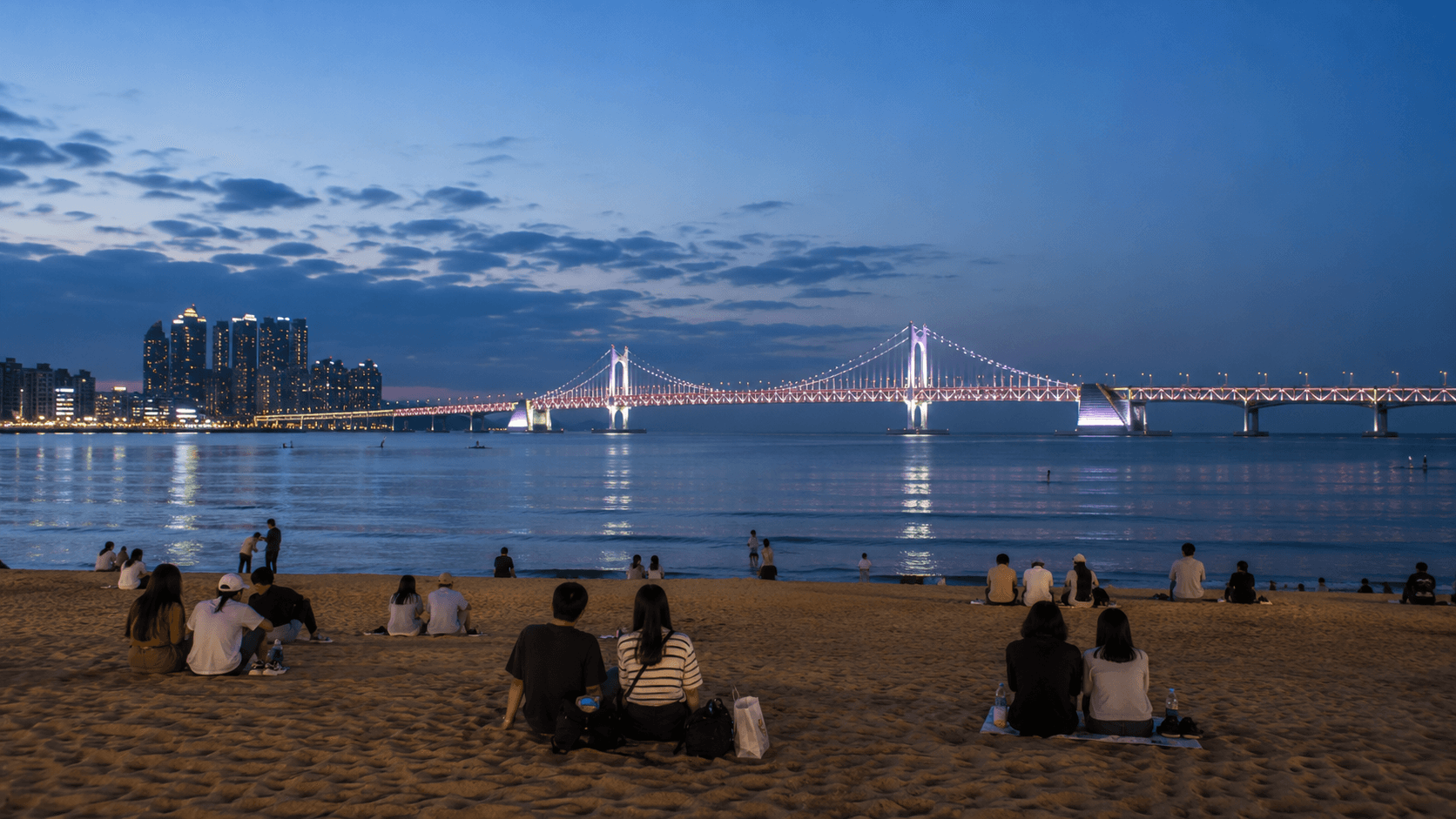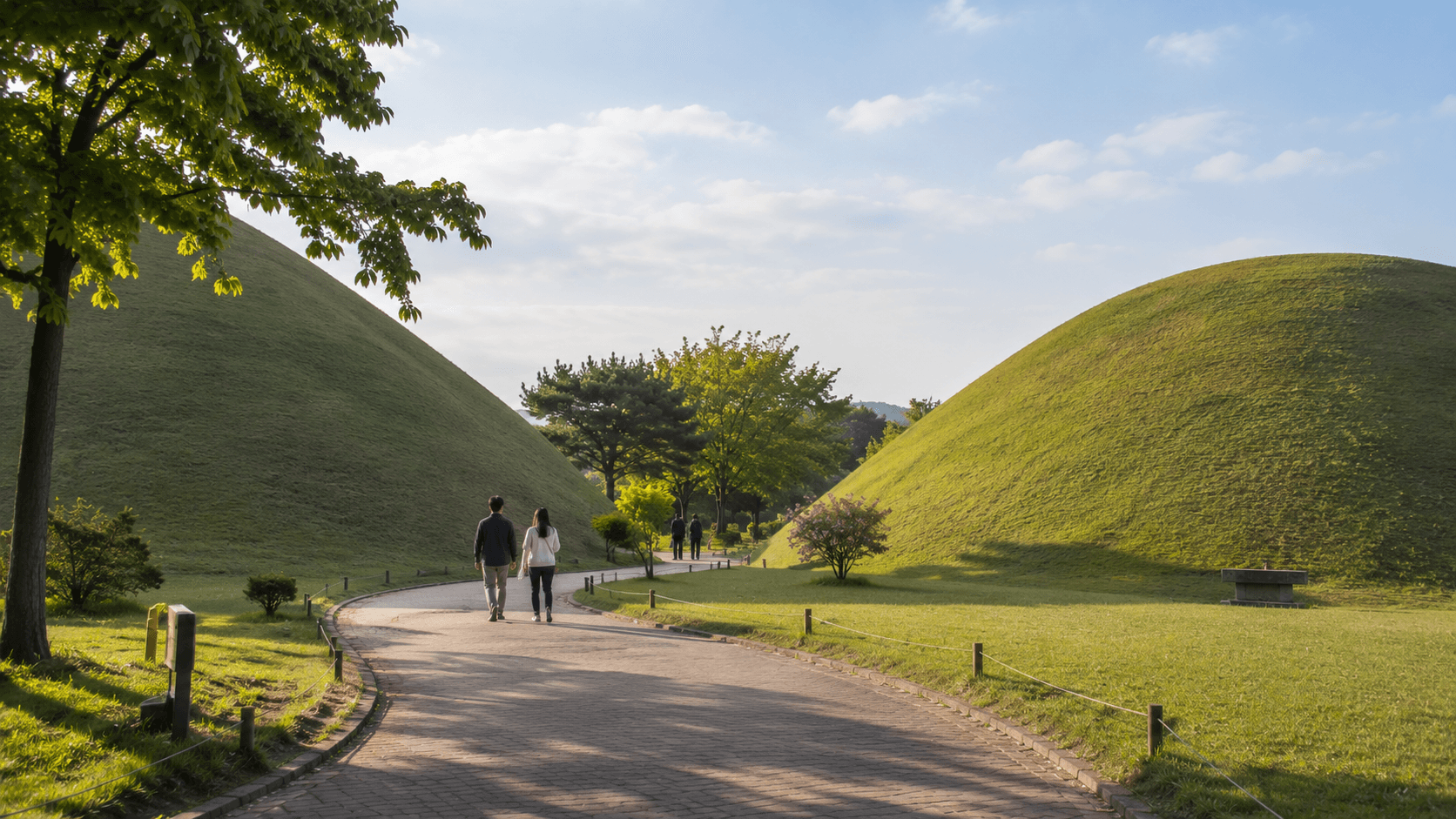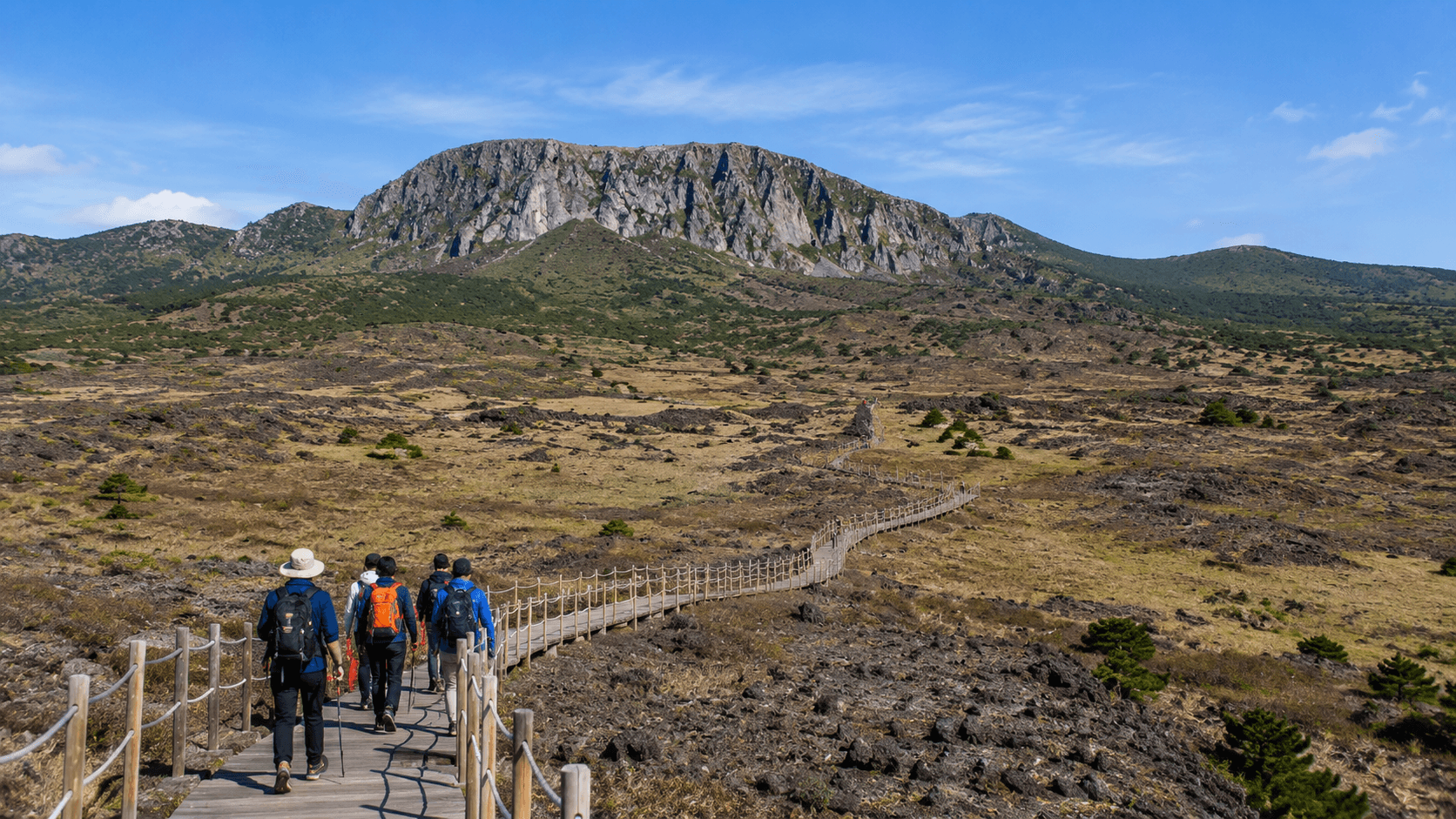
Korean drama locations range from ordinary Seoul streets to remote fishing villages and purpose-built historical sets. The easiest approach is to choose one geographic cluster rather than collecting unrelated locations from different series. Seoul sites fit into a normal sightseeing day, while Gangneung, Nami Island, Pohang, and Yongin usually need separate day trips or overnight stays.
Access information and visitor restrictions in this guide were checked on June 11, 2026. Transport timetables, admission fees, and private-business hours can change, so confirm them shortly before traveling.
At a glance
| Area | Dramas commonly associated with the area | Time needed | Main consideration |
|---|---|---|---|
| Central Seoul | Goblin, Itaewon Class, Our Beloved Summer, numerous historical dramas | Half to full day | Some locations are homes, schools, or businesses |
| Nami Island | Winter Sonata | Full day from Seoul | Ferry access and heavy weekend crowds |
| Gangneung and Jumunjin | Goblin and other coastal dramas | Full day or overnight | Wind, waves, and local bus intervals |
| Pohang | Hometown Cha-Cha-Cha | Overnight recommended | Sites are spread across several coastal villages |
| Yongin | The Moon Embracing the Sun, Kingdom, Sungkyunkwan Scandal | Full day | Admission ticket and travel from central Seoul |
Before choosing a filming location
A scene may combine several places. An exterior can be filmed in one city, an interior on a studio set, and the surrounding landscape somewhere else. Production crews also use temporary signs, façades, lighting, and computer-generated backgrounds. Do not expect every location to look exactly as it did on screen.
Search for the Korean place name as well as the English name. Korean map services generally provide more complete local information than international map platforms. Naver Map and KakaoMap are useful for pedestrian routes, bus stops, and Korean addresses. Save screenshots of the exact entrance or viewpoint because a street address may cover a large complex.
Before making a long journey, check whether the location is:
- A public attraction with stated operating hours
- An outdoor public space that can be visited at any time
- A working restaurant, café, shop, school, or office
- A private residence that should only be viewed from the public road
- A temporary set that may have been removed after production
Seoul: the easiest place to build a drama-themed day
Seoul has thousands of screen locations, but they are scattered across a very large city. A workable first-time route concentrates on Jongno, central Seoul, and the palace district.
Bukchon and the palace district
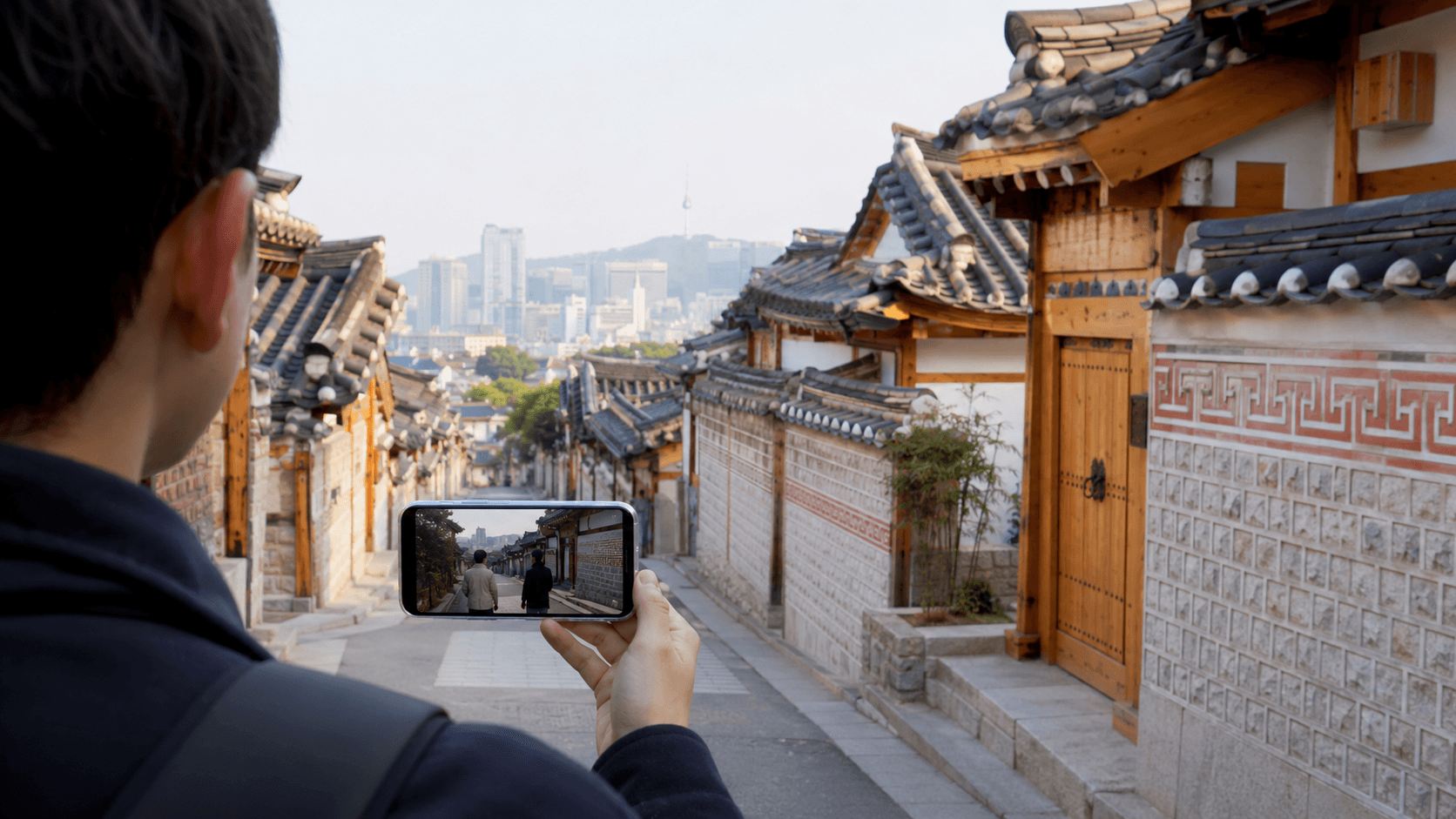
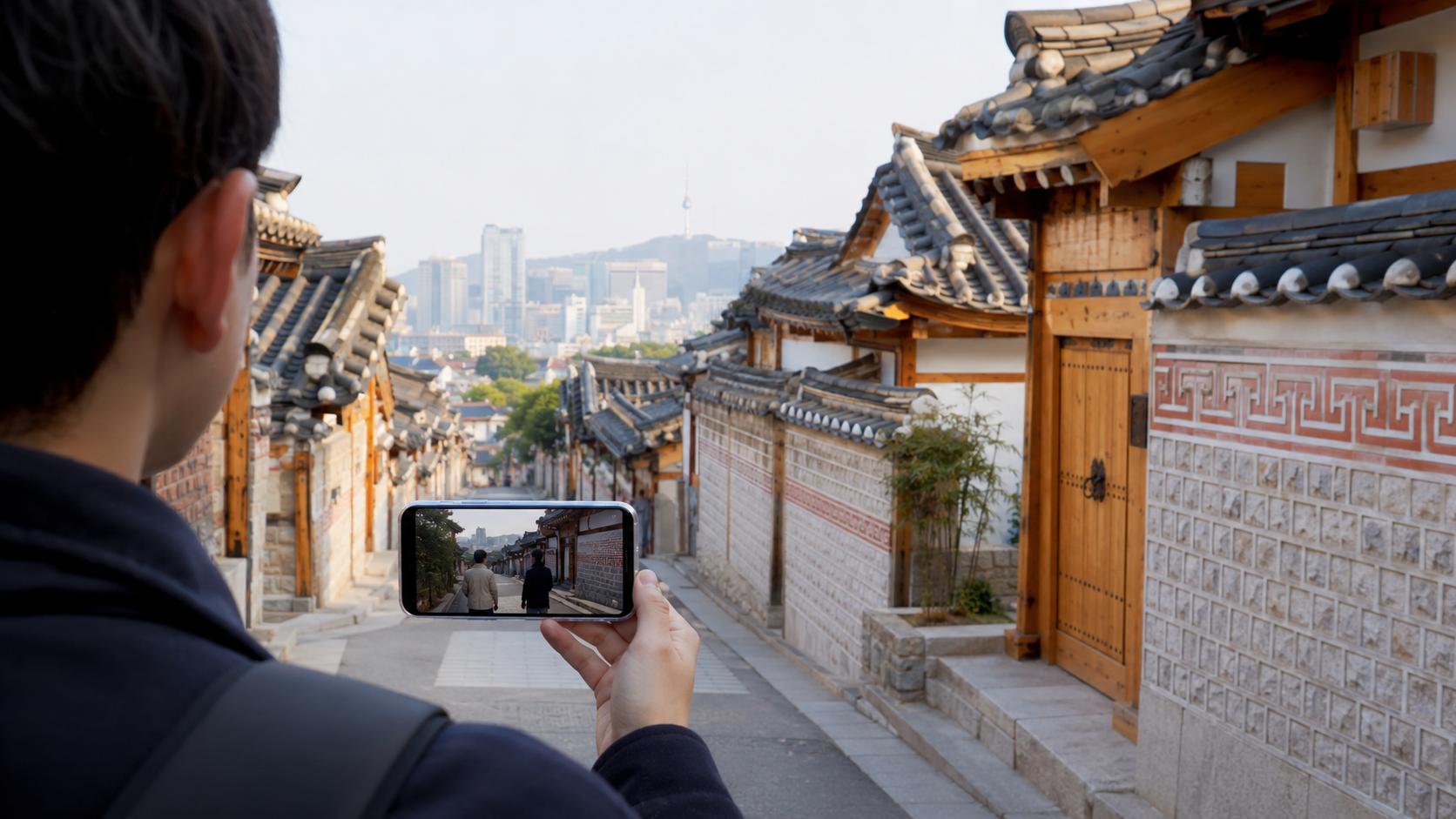
Bukchon Hanok Village (북촌한옥마을) appears in dramas because its narrow slopes and tiled hanok roofs create a recognizable traditional cityscape. It sits between Gyeongbokgung and Changdeokgung, making it easy to combine with a palace visit.
Bukchon is a real residential neighborhood, not an outdoor film set. Seoul designates part of it as a specially managed area with restricted visitor access. As verified on June 11, 2026, general visitors should use the regulated section between 10:00 and 17:00. Accommodation guests and people using local facilities may be treated differently. Check the Seoul Hanok portal’s Bukchon information before visiting because boundaries and enforcement arrangements may change.
Keep conversations quiet, do not fly drones, and never enter a courtyard or doorway for a photograph. A sign that resembles a drama screenshot does not make the building public.
Nearby royal palaces are more suitable for unhurried photography. Historical productions frequently use palace-inspired sets rather than the actual palaces, but visiting Gyeongbokgung or Changdeokgung helps explain the gates, courtyards, official halls, and residential buildings recreated on screen. Palace closures, guided-tour rules, and seasonal hours should be confirmed through the Cultural Heritage Administration’s Royal Palaces and Tombs Center.
Deoksugung Stone Wall Road
The road beside Deoksugung Palace is a familiar television setting for conversations, breakups, and slow walks through central Seoul. The public pavement is free to use, while entry to the palace requires following its separate ticket and opening schedule.
This location works well near sunset, but weekday lunch periods can be busy because it is surrounded by offices. City Hall Station provides convenient subway access. Continue toward Jeongdong-gil for historic buildings, cafés, and quieter side streets rather than trying to reproduce a shot in the middle of pedestrian traffic.
Private campuses and workplaces
Some famous Seoul exteriors belong to universities, offices, hotels, and private schools. For example, buildings associated with Goblin have sometimes been mistaken for open tourist attractions even though they serve institutional functions.
Treat a campus as private property unless its official visitor policy clearly permits entry. Security rules can change during examinations, events, construction, or heightened safety periods. Photographing an exterior from a legal public pavement is usually the least disruptive option.
Nami Island: the classic Winter Sonata trip
Nami Island, commonly called Namiseom (남이섬), remains closely associated with Winter Sonata. Its tree-lined paths, riverside scenery, and drama displays make it one of the simplest locations for visitors who want a clearly identifiable screen connection rather than an unmarked street.
The normal trip involves reaching Gapyeong, traveling to the island’s wharf, and crossing by ferry. The island has admission charges, and ferry operations can be affected by weather or special events. Because prices and service intervals may change, check the operator’s current information and the Korea Tourism Organization’s travel portal before departure.
From Seoul, travelers commonly reach the Gapyeong area by ITX-Cheongchun train or other rail and bus combinations. Reserve intercity rail seats when traveling on weekends, public holidays, or during the spring blossom and autumn foliage seasons. Allow additional time between Gapyeong Station and the wharf instead of assuming the island is beside the station.
Nami Island is most rewarding as a landscape visit. Walk beyond the most photographed tree lanes, and allow at least two or three hours on the island. Paths are generally easier than mountain trails, but distances can still be tiring for visitors with limited mobility. Ask the operator about current wheelchair access, ferry boarding assistance, and available transport within the island.
Gangneung and Jumunjin: the Goblin coast
The breakwater associated with the first meeting between Ji Eun-tak and Kim Shin in Guardian: The Lonely and Great God, widely known as Goblin, is near Jumunjin on the Gangneung coast. Map searches may use names such as Jumunjin Breakwater, Goblin filming location, or 도깨비 촬영지.
The location is an exposed coastal structure, not a controlled television attraction. Wear shoes with grip and keep away from wet edges. Strong wind, spray, ice, or high waves can make the breakwater unsafe even when the weather looks clear inland. Do not imitate poses that require standing close to the water.
Gangneung is reachable from Seoul by intercity rail or bus, but Jumunjin lies north of central Gangneung. Local buses are available, although intervals and journey times vary. A taxi is more practical for a group or for travelers combining the breakwater with Jumunjin Port, BTS Bus Stop, or nearby beaches. Confirm the last useful bus before spending the evening on the coast.
A day trip is possible, but an overnight stay gives you more flexibility and reduces the risk of spending most of the day in transit. Gangneung Station, Gyeongpo, Anmok, and Jumunjin are separate areas, so check actual travel times rather than treating them as one walkable district.
Pohang: building a Hometown Cha-Cha-Cha route
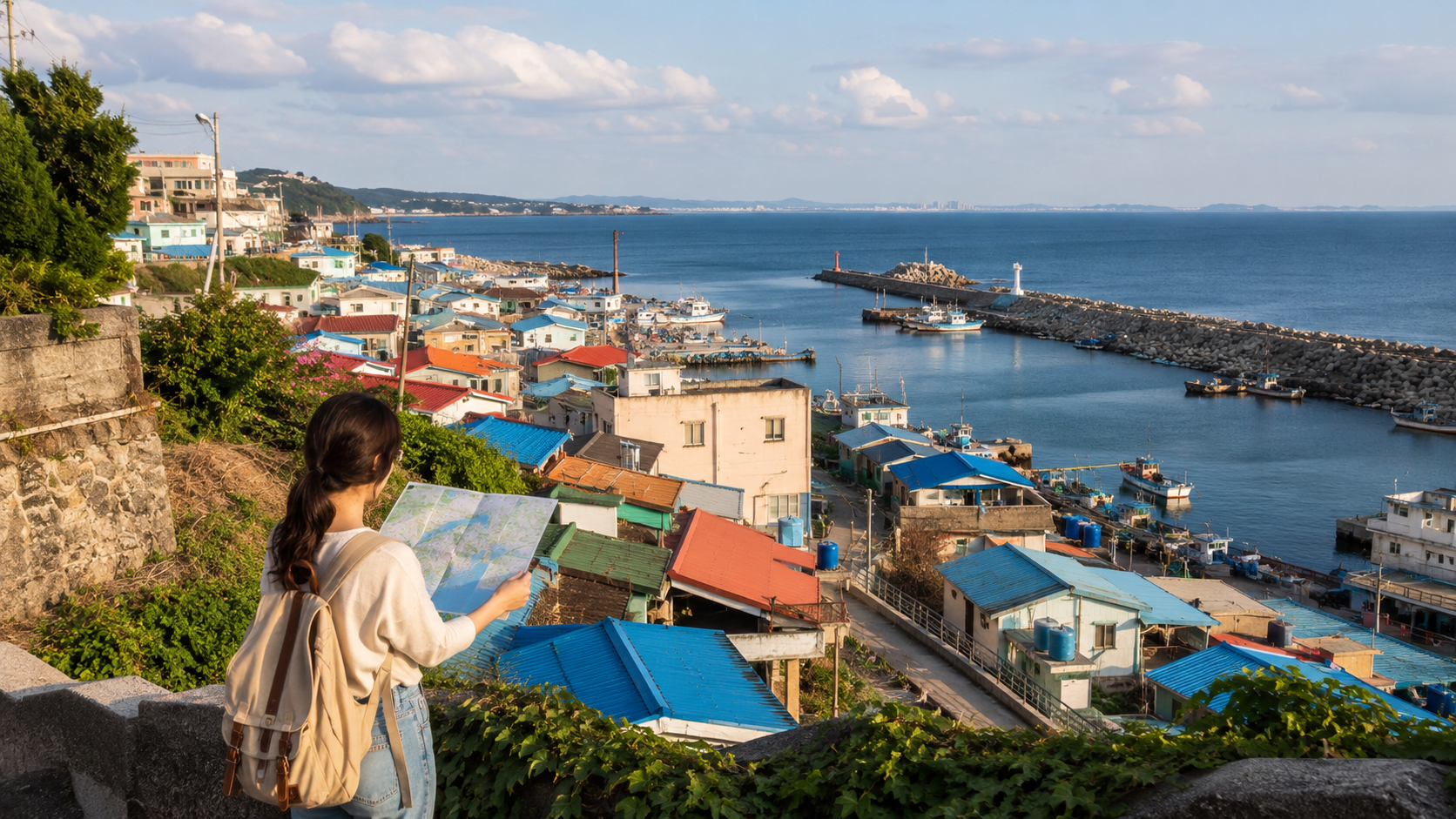
The fictional village of Gongjin in Hometown Cha-Cha-Cha was assembled from multiple locations around Pohang. Important sites include coastal villages, Cheongha Market, and Sabang Memorial Park, where the boat associated with Hong Du-sik was placed on a hill.
This is the location cluster most likely to disappoint travelers who arrive without a route. The drama makes Gongjin appear compact, but the real sites are spread across northern Pohang. Public transport is possible, though transfers and waiting times can consume much of the day. Renting a car or hiring a taxi for several hours is usually more efficient for two or more travelers.
Allow time for:
- Cheongha Market and the remaining drama-themed façades
- A coastal village or harbor used for Gongjin scenes
- Sabang Memorial Park and the uphill walk toward the boat viewpoint
- Meal and transport buffers between locations
Several buildings seen in the series were functioning homes or businesses, while other elements were temporary production installations. Do not assume a café sign means that the fictional business operates there. Check recent photographs and official Pohang tourism notices before setting out.
Pohang can be reached by KTX from Seoul, but the station is outside the central waterfront district. An overnight trip is more realistic if you want to include Jukdo Market, Yeongildae Beach, or nearby Gyeongju. Summer heat and limited shade can make hilltop locations uncomfortable; carry water and avoid the middle of the day when possible.
Yongin: historical-drama sets and traditional architecture
For visitors interested in sageuk (사극), meaning Korean historical drama, Yongin is more useful than trying to identify individual palace scenes in Seoul.
Korean Folk Village
The Korean Folk Village (한국민속촌) contains traditional houses, workshops, streets, and performance spaces. Productions associated with the site include The Moon Embracing the Sun, Sungkyunkwan Scandal, and scenes from other period works. Unlike a private residential filming site, it is an established visitor attraction with tickets, food facilities, and scheduled activities.
Operating hours, admission prices, performances, and shuttle arrangements vary by date. Check the official Korean Folk Village website immediately before visiting. Information was reviewed on June 11, 2026, but this guide does not reproduce a fixed price because seasonal promotions and ticket types change.
The village is in Yongin, south of Seoul. Transit generally involves a subway or train connection followed by a bus, shuttle, or taxi. Allow a full day, particularly if you plan to watch performances or rent hanbok. Some lanes have uneven surfaces, so visitors using wheelchairs or strollers should ask the attraction about accessible routes.
Do not confuse similarly named sets
Older guides may refer to the former Dae Jang Geum Theme Park in Yangju. That attraction closed in 2014. It should not be confused with other MBC production facilities or with the Korean Folk Village in Yongin. Verify the Korean name and city before buying transport tickets or booking a tour.
How to make a workable itinerary
One day in Seoul
Start at a palace after opening, continue through the permitted parts of Bukchon between 10:00 and 17:00, and finish around Deoksugung or another central-city exterior. This combines drama atmosphere with major cultural sites and minimizes cross-city travel.
One day outside Seoul
Choose only one of these: Nami Island, Gangneung, or Yongin. Combining two generally creates a long transport day with little time at either location.
Two days on the east coast
Stay one night in Gangneung for Jumunjin and central Gangneung. Pohang is much farther south and should normally be treated as a separate overnight destination, not an extension of the same short day trip.
Filming-location etiquette
A location tour does not give visitors special access. Follow these rules even when social-media posts show other fans behaving differently:
- Stay on public roads and marked visitor paths.
- Do not open gates, look through residential windows, or photograph people inside homes.
- Ask before photographing shop staff or customers.
- Buy something before using a café primarily for photographs, and follow its seating policy.
- Keep groups small in residential alleys.
- Do not block doors, pavements, bus stops, or vehicle access while recreating scenes.
- Never climb on breakwaters, roofs, walls, boats, or production props.
- Do not use drones without checking national, municipal, and property-specific restrictions.
What to check before you go
- Confirm the exact Korean place name and street address.
- Compare recent map photographs with the drama screenshot.
- Check whether a temporary set or sign still exists.
- Verify opening days, last admission, and reservation rules for paid attractions.
- Check the return train or bus rather than only the outbound journey.
- Download Naver Map or KakaoMap and save the destination offline.
- Carry a transport card, but keep another payment method for intercity tickets and taxis.
- Check rain, wind, heat, snow, and coastal-wave conditions.
- Allow extra time if carrying luggage; many village sites lack lockers.
- Confirm accessibility directly with the operator when step-free travel is essential.
Frequently asked questions
Can I visit Korean drama locations without a tour?
Yes. Seoul, Nami Island, Gangneung, and the Korean Folk Village can be visited independently with basic route planning. A driver or organized tour becomes more useful in Pohang, where locations are widely separated.
Are filming locations free?
Public streets, beaches, markets, and breakwaters are generally free, but palaces, folk villages, islands, museums, and private attractions may charge admission. Cafés and restaurants expect customers to order rather than enter only for photographs.
Are the original sets still there?
Sometimes. Permanent attractions and major outdoor structures are likely to remain, but fictional shop signs and temporary interiors may be removed. Confirm with recent official notices or map photographs.
Which location is easiest for a first-time visitor?
Central Seoul is easiest because it requires no intercity travel. Nami Island offers the clearest single-drama experience, while the Korean Folk Village is the most practical choice for fans of historical dramas.
Sources
- Korea Tourism Organization travel information
- Seoul Metropolitan Government’s Seoul Hanok portal
- Official Bukchon visitor information from Visit Seoul
- Royal Palaces and Tombs Center
- Korean Folk Village official website
Choose your drama and geographic cluster first, then save the Korean names of no more than three or four priority locations. That produces a far more enjoyable trip than trying to cross Korea for a checklist of isolated screenshots.