Living in Korea becomes much easier once you complete a few connected tasks: confirm your immigration status, obtain your residence card if required, register a Korean phone number, open a bank account, and understand your housing and health-insurance arrangements. Requirements vary by visa, nationality, workplace, and length of stay, so use this guide as a practical starting point and confirm immigration matters through the official authorities.
Information that may change was verified on June 10, 2026.
At a glance
| Priority | What to do |
|---|---|
| Immigration | Check your permitted period of stay, work conditions, and registration obligations |
| Identification | Apply for a residence card if your status requires one |
| Phone | Obtain a Korean mobile number registered in your legal name |
| Banking | Open an account and ask separately about online banking and overseas transfers |
| Housing | Understand the deposit, rent, management fee, utilities, and contract protections |
| Healthcare | Confirm whether you are enrolled through an employer or as a regional subscriber |
| Daily life | Learn local waste rules, transport payment, address formats, and emergency numbers |
Start with your immigration status
Your visa or status of stay determines how long you may remain in Korea and whether you can work, study, change employers, or engage in additional paid activities. Do not assume that receiving a job offer automatically gives you permission to accept it.
Use the Ministry of Justice's Korea Visa Portal for visa categories and Hi Korea for immigration applications, office reservations, forms, and status-of-stay information. The official Immigration Contact Center is available at 1345 within Korea and +82-2-1345 from overseas. Multilingual assistance is available, although language availability can depend on the time of the call.
Most foreign nationals staying long term must complete foreign-resident registration and receive a residence card. The applicable deadline and documents depend on your status and circumstances. Confirm your own requirement with 1345 rather than relying on a university, recruiter, landlord, or online forum.
Immigration tasks to track
- Check the expiration date associated with your status of stay.
- Reserve immigration-office visits through Hi Korea's official reservation service.
- Report changes that apply to you, such as a new address, passport, school, workplace, or employment situation.
- Apply for extensions or status changes before the relevant deadline.
- Keep digital and paper copies of immigration receipts and submitted documents.
Immigration rules are legal requirements and can change. For a decision affecting work, study, family status, or departure from Korea, obtain guidance directly from the Korea Immigration Service or a qualified professional.
Why the residence card matters
The residence card is commonly requested when opening a bank account, signing up for a postpaid mobile plan, verifying identity online, joining health insurance, and completing employment paperwork. Your foreign resident number also functions as a key identifier across Korean administrative and commercial systems.
Names can cause problems because Korean databases may store spacing, order, and capitalization differently. When opening accounts, ask the staff member to enter your name consistently with your residence card and passport. If identity verification later fails, compare the exact name registered with your mobile carrier, bank, and residence record.
Keep the physical card secure. Hi Korea provides services for checking card validity and reporting a lost card. A photograph of the card may help you retrieve information, but it does not normally replace the original when formal identification is required.
Getting a Korean phone number
A Korean mobile number is more than a way to make calls. It is frequently used for delivery notifications, hospital registration, banking security, reservations, and online identity verification.
Short-term visitors can purchase prepaid SIMs or eSIMs with a passport. Long-term residents may have more options after receiving a residence card, including postpaid contracts and plans that support full identity authentication. Available plans, deposits, and required documents vary by carrier and retailer.
Before signing, ask:
- Is the number registered under my exact legal name?
- Does the plan support Korean identity verification?
- Is there a minimum contract period or early-termination charge?
- Are international calls, roaming, and mobile hotspot use included?
- Can I keep the number if I change plans or carriers?
A phone number obtained as a visitor may not automatically become fully linked to your residence record. Ask the carrier whether it must update your identification after your residence card is issued.
Opening a bank account
Banks set their own document and risk-review requirements. A branch may request your passport, residence card, Korean phone number, local address, employment contract, student certificate, or another document showing why you need the account. New accounts may initially have transfer or withdrawal limits.
The Seoul Metropolitan Government's official banking guide provides a general overview, but confirm current requirements with the bank and branch you plan to visit.
When opening an account, ask for all required services at the same time:
- A debit or cash card.
- Online and mobile banking access.
- An English-language interface, if available.
- Domestic transfer limits suitable for rent and deposits.
- Overseas remittance access, if needed.
- A certificate or account document for your employer.
Bring your Korean phone and allow extra time. Some security functions require app installation, text-message verification, or additional registration at the counter.
Practical suggestion: Do not transfer a large housing deposit directly from a newly opened account until you have checked its daily transfer limit.
Finding and renting a home
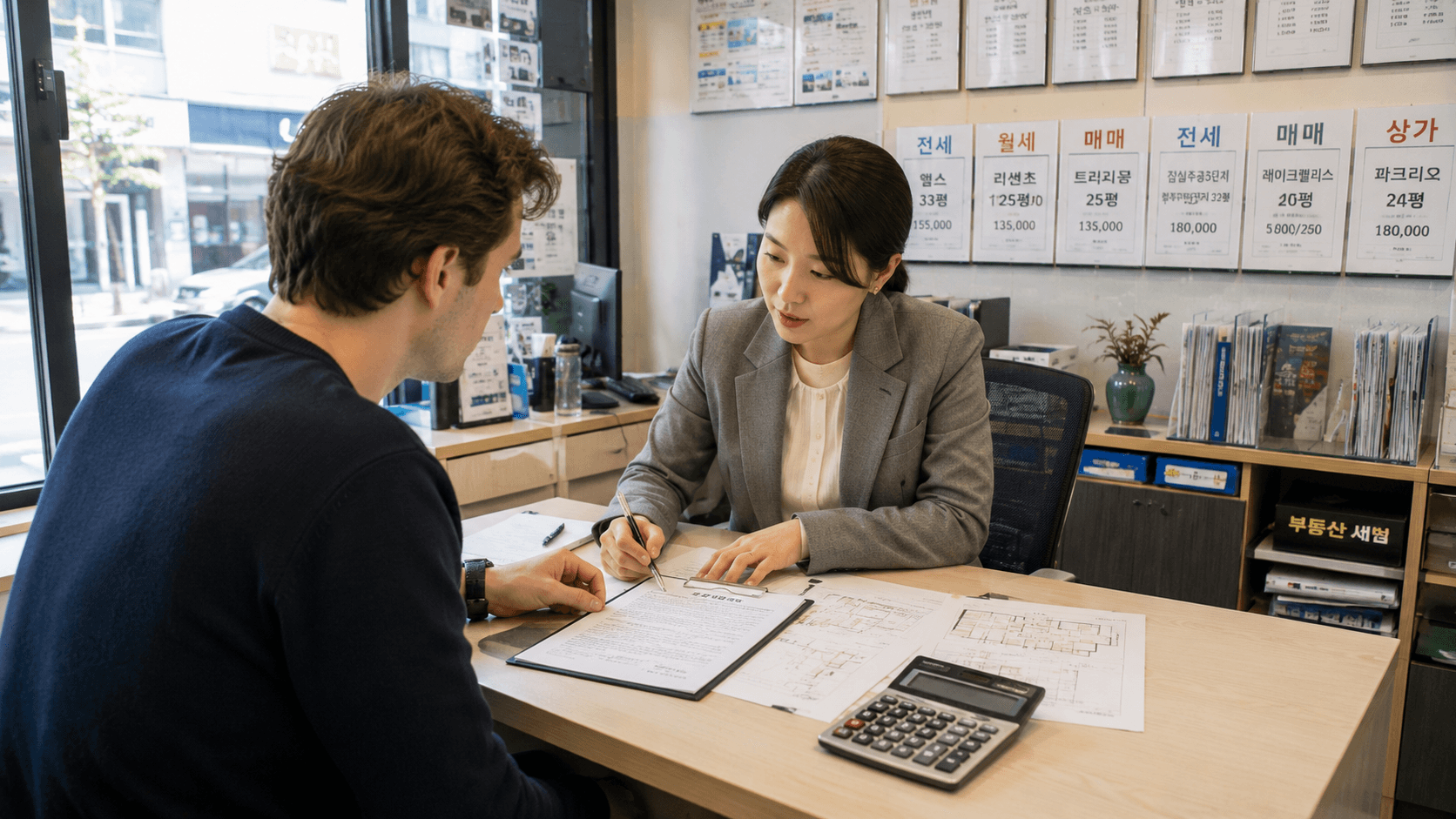
Korean rental listings commonly use two systems:
- Wolse (월세): a security deposit plus monthly rent.
- Jeonse (전세): a much larger lump-sum deposit, usually with little or no monthly rent.
The Seoul Metropolitan Government housing guide explains both systems and warns residents about lease risks. Although the guide is Seoul-focused, the basic terms are used nationwide.
Jeonse involves substantial financial exposure and should not be treated as an ordinary security deposit. Before paying a large sum, obtain professional help to check ownership, registered debts, legal rights attached to the property, and available deposit-protection measures.
Before signing a lease
- Verify the landlord's identity and legal ownership.
- Confirm the full deposit, monthly rent, management fee, and brokerage commission.
- Ask which utilities are separate and how they are calculated.
- Inspect heating, water pressure, ventilation, mold, appliances, windows, and door locks.
- Confirm whether furniture, internet, parking, pets, and repairs are included.
- Record existing damage with dated photographs.
- Obtain a written contract and receipts for every payment.
- Ask a qualified adviser about address reporting, the fixed-date system, and deposit protection.
Management fees can materially increase monthly costs. Ask for a written breakdown covering electricity, gas, water, internet, cleaning, elevators, parking, and building maintenance.
Health insurance and medical care
Foreign employees working at an insured workplace are generally enrolled through their employer. The National Health Insurance Service also states that eligible foreign and overseas-Korean residents who have stayed in Korea for more than six months are generally subject to regional enrollment, with rules depending on status of stay and exemptions.
According to the NHIS guidance for foreign residents, employee contributions are normally shared equally by the employee and employer. NHIS also states that insured foreign residents receive the same health-insurance benefit coverage as Korean citizens. These points were verified on June 10, 2026.
Do not assume that enrollment, premiums, or dependent status will be identical for every visa. Contact NHIS at 1577-1000 or its listed English consultation number, 033-811-2000, to check your record and required documents.
Using clinics and hospitals
For non-emergency care, patients commonly visit a local clinic first. Search signs for the relevant department, such as 내과 for internal medicine, 이비인후과 for ear, nose and throat care, or 피부과 for dermatology.
Bring your residence card or other accepted identification. Since identification and insurance procedures can change, ask the facility what it requires when making the appointment. English availability varies, particularly outside major cities and international clinics.
For a medical or fire emergency, call 119. For police assistance, call 112.
Working legally and understanding your contract
Permission to work depends on your immigration status and sometimes on a specific employer, workplace, occupation, or approved activity. Confirm eligibility through 1345 before beginning paid work, freelance assignments, tutoring, or a second job.
Read the employment contract for:
- Gross salary and scheduled payment date.
- Working hours, breaks, overtime, and weekly rest days.
- Paid leave and public-holiday arrangements.
- Housing or meal deductions.
- Health insurance, pension, employment insurance, and tax deductions.
- Probation conditions and termination procedures.
- Responsibility for airfare, recruitment costs, or training fees.
Keep copies of the signed contract, payslips, work schedules, bank deposits, and workplace messages. The Ministry of Employment and Labor provides official labor information. Its counseling number is 1350 within Korea; interpretation or service availability should be confirmed when calling.
This guide does not determine whether a particular contract or workplace practice is lawful. For a dispute involving unpaid wages, dismissal, discrimination, or workplace injury, contact the Ministry of Employment and Labor or a qualified labor adviser.
Public transport and getting around
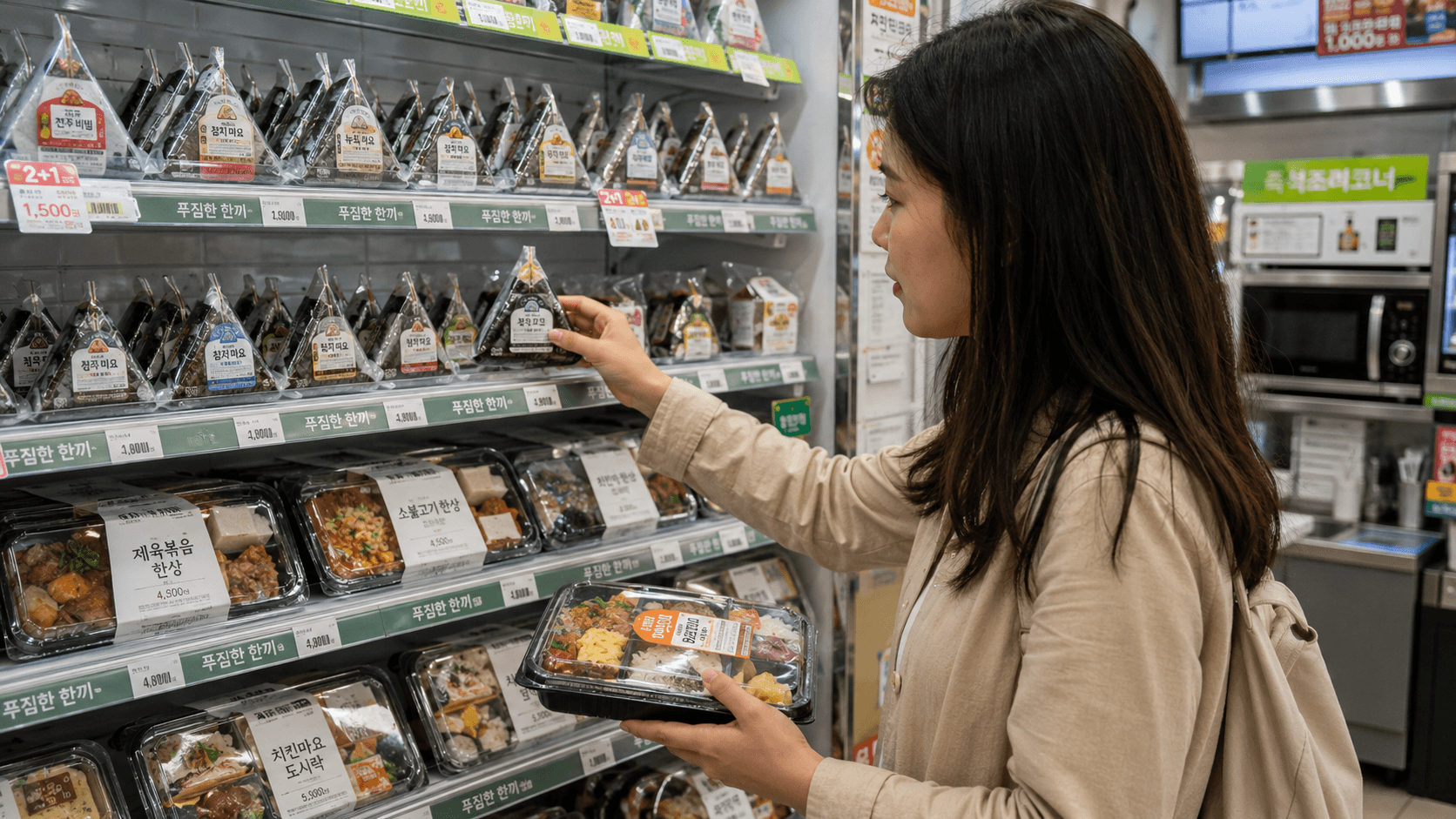
Cities generally use rechargeable transport cards for buses and subways. Cards are sold at convenience stores and transport facilities, although purchase and reloading methods vary. Some machines or retailers may require cash for particular transactions.
Tap when entering and leaving buses and subway gates. On buses, failing to tap off can affect transfer discounts or the next fare calculation. Keep a modest balance available, especially when traveling outside your usual area.
The Seoul Metropolitan Government public-transport guide covers the capital's subway, bus, and taxi systems. Fares, last-train times, and route schedules can change, so check the relevant city or operator on the day of travel.
For navigation, Korean map services often provide more complete local transit and address data than overseas map platforms. Search destinations using the Korean name or road address when an English search produces unclear results.
Accessibility varies by station and route. Major subway stations commonly have elevators, but transfers may involve long distances or indirect accessible paths. Check station facilities in advance when traveling with a wheelchair, stroller, or heavy luggage.
Waste, recycling, and household routines
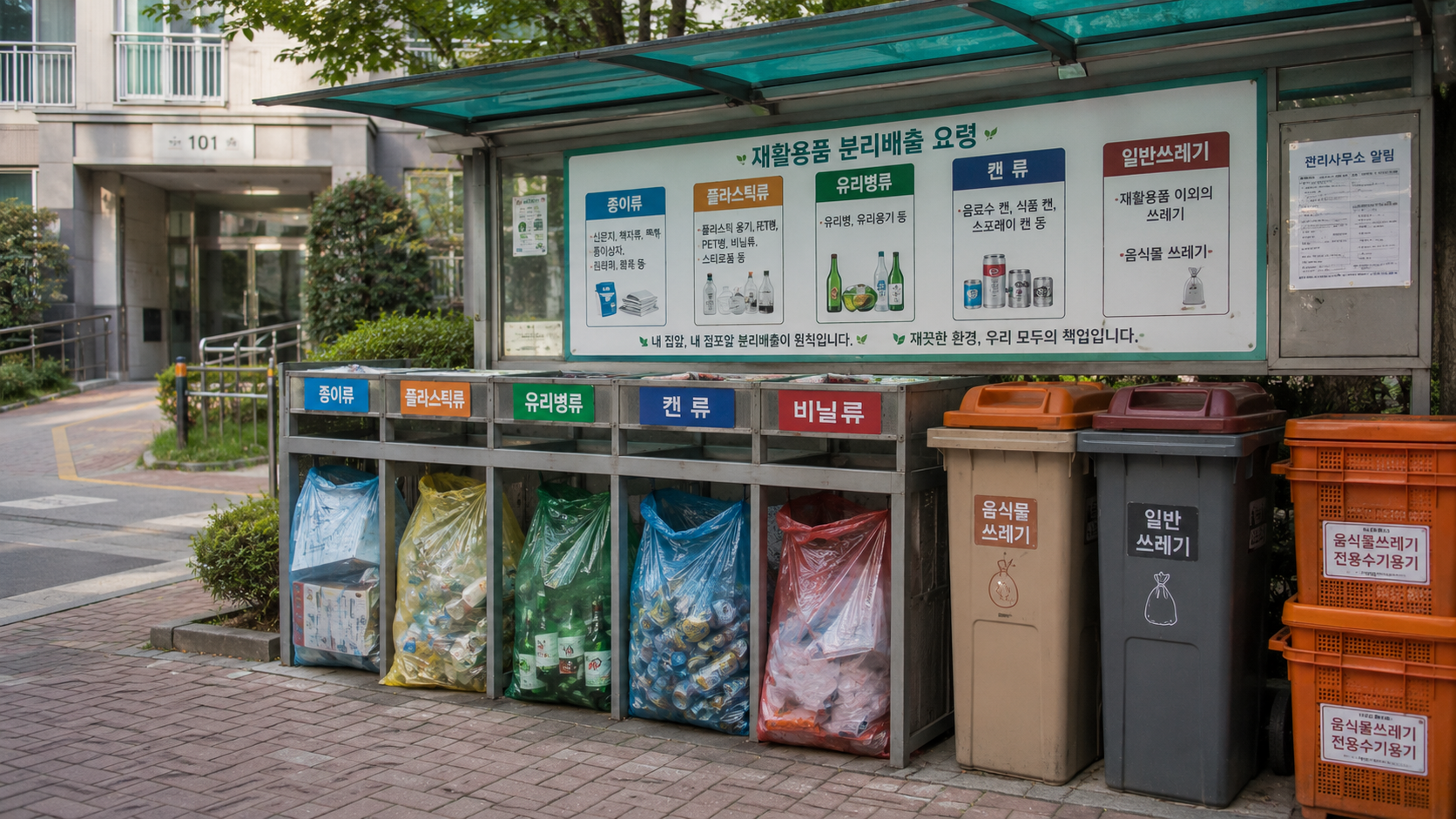
Waste rules are managed locally, so bag designs, collection days, and food-waste systems differ by district. Ordinary household rubbish usually goes into official volume-based bags called jongnyangje bongtu (종량제 봉투), sold at local supermarkets and convenience stores.
Food waste is normally separated from general rubbish. Depending on the building or district, residents may use dedicated bags, communal bins, electronic weight-based containers, or access cards. Recyclables are separated according to local instructions.
Ask your landlord, building manager, dormitory office, or district government:
- Which official bags to buy.
- Where and when to place rubbish outside.
- How to dispose of food waste.
- How to separate glass, cans, paper, plastic, vinyl, and polystyrene.
- How to arrange collection of furniture or large appliances.
Do not copy the disposal method used in another neighborhood without checking. Incorrect disposal can lead to uncollected bags or administrative penalties.
Language and administrative help
You can manage basic life in major urban areas with limited Korean, but learning practical vocabulary reduces mistakes and gives you more options outside international services.
Start with language for addresses, dates, banking, medical symptoms, housing repairs, and delivery calls. Keep your address saved in both Korean and English. Korean road addresses usually place the larger administrative area first and the building details later.
Useful official contacts include:
| Service | Number |
|---|---|
| Police | 112 |
| Fire and medical emergency | 119 |
| Immigration Contact Center | 1345 |
| Korea Travel Hotline | 1330 |
| Ministry of Employment and Labor | 1350 |
| National Health Insurance Service | 1577-1000 |
Calling from overseas may require a different number. Verify international contact details on the agency's official website.
Common mistakes to avoid
- Waiting until the last week to handle an immigration deadline.
- Using different name formats for immigration, banking, and mobile services.
- Paying a housing deposit before verifying the owner and contract.
- Assuming the advertised rent includes management fees and utilities.
- Starting freelance or secondary work without checking visa permission.
- Ignoring official mail because it is written only in Korean.
- Throwing food waste into a general rubbish bag.
- Expecting every bank branch to apply account-opening requirements identically.
- Losing access to a Korean phone number while it is still connected to banking authentication.
What to check before you go
If you are preparing to move to Korea, complete this checklist before departure:
- Confirm your visa, entry documents, and permitted activities.
- Prepare original civil, academic, employment, and financial documents that may be required.
- Check whether documents need an apostille, consular confirmation, or Korean translation.
- Arrange temporary accommodation before committing to a long lease.
- Keep enough accessible funds for deposits and initial living costs.
- Confirm how overseas cards and banking authentication will work after changing SIMs.
- Bring prescriptions and medical documentation for ongoing treatment, while checking Korean import restrictions separately.
- Save the official immigration, insurance, labor, and emergency contacts.
After arrival, make your first administrative priority confirming your registration deadline through Hi Korea or the Immigration Contact Center. Once your identification, phone, bank account, housing, and insurance records use the same legal name and current address, most everyday systems become considerably easier to manage.
Sources
- Korea Immigration Service
- Hi Korea immigration services
- Korea Visa Portal
- National Health Insurance Service guidance for foreigners
- Ministry of Employment and Labor
- Seoul Metropolitan Government housing guide
- Seoul Metropolitan Government banking guide
- Seoul Metropolitan Government public-transport guide