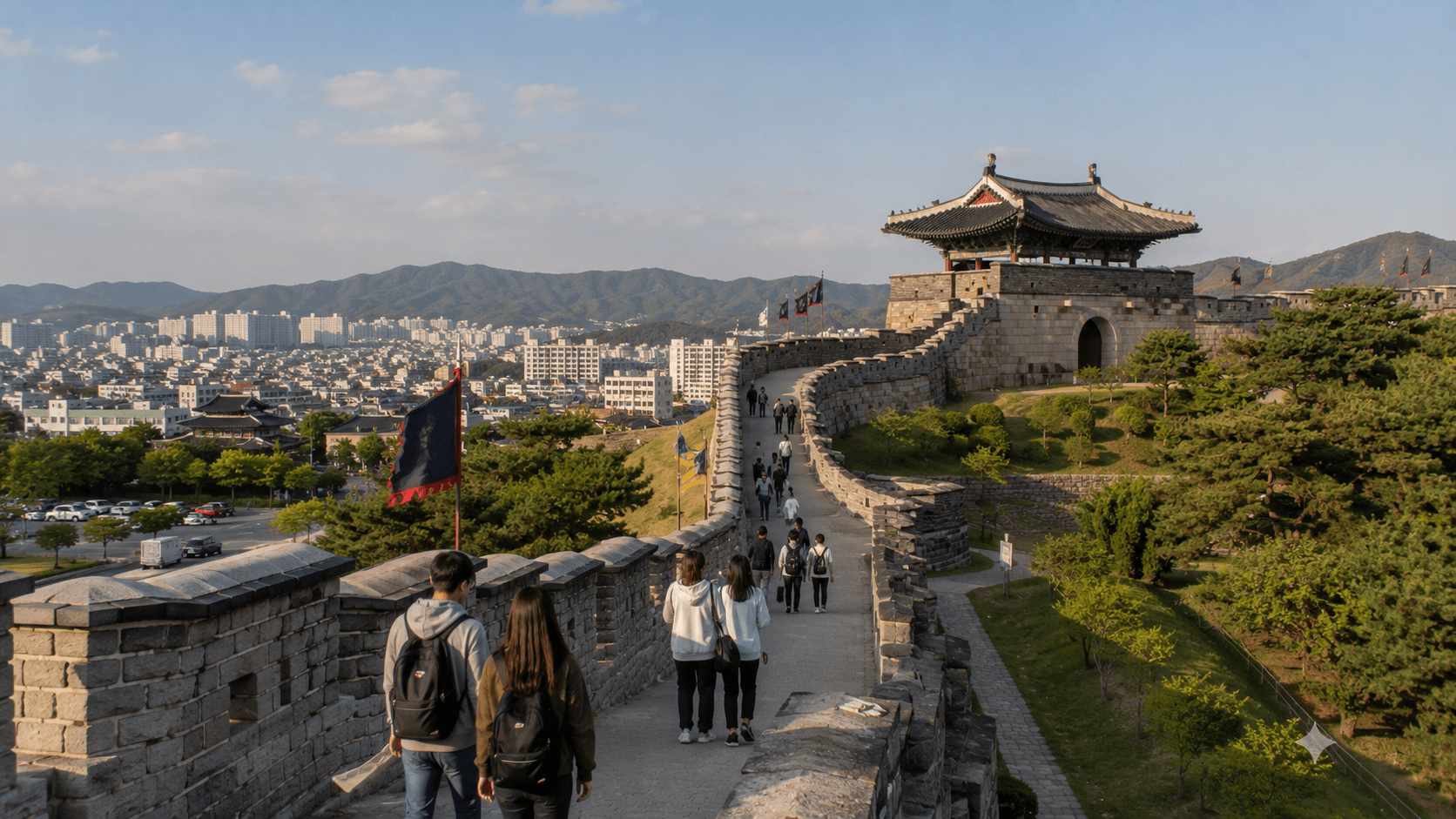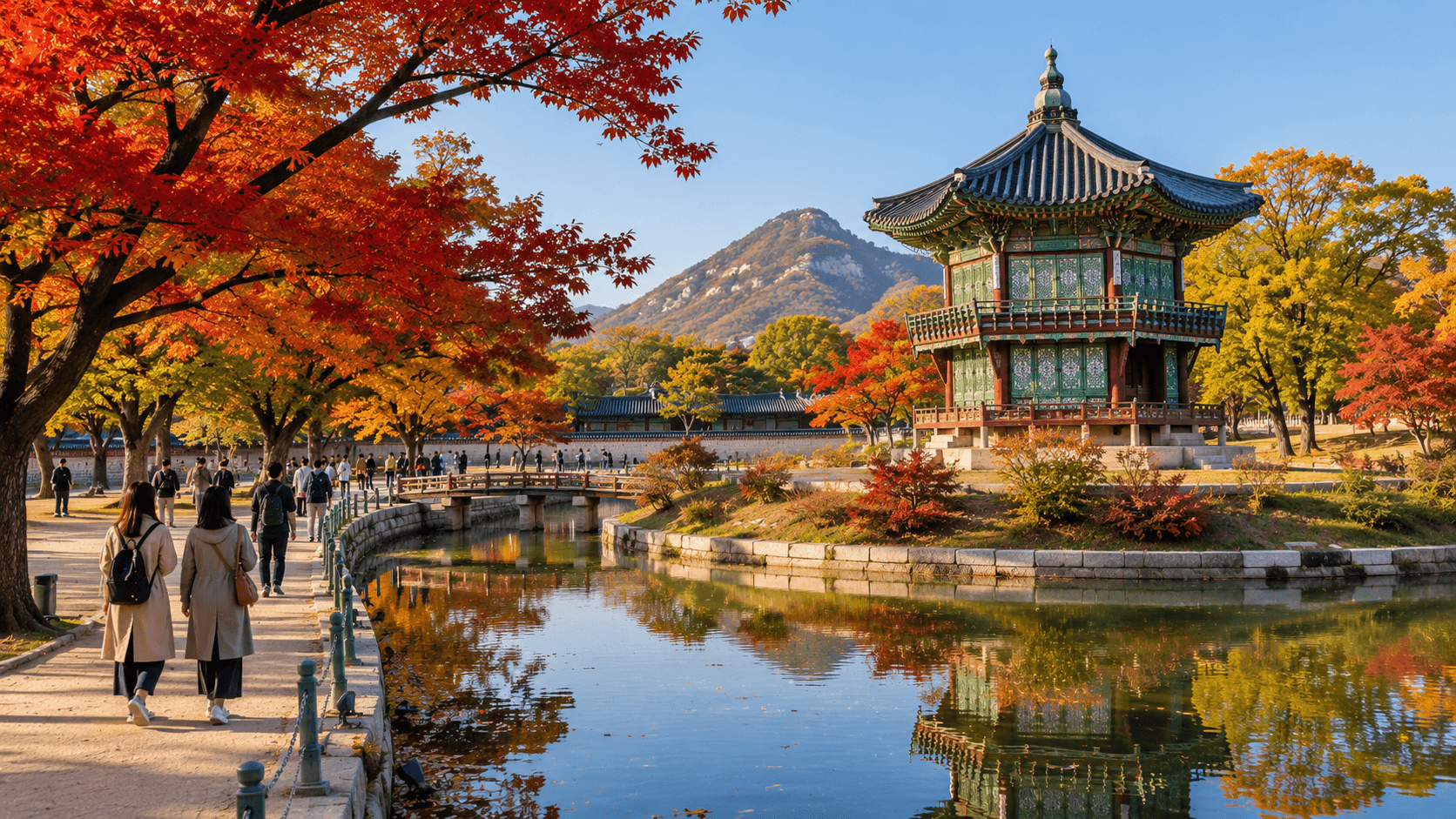
Seoul’s autumn travel season runs broadly from September through November, but the experience changes considerably across those three months. September can still feel warm, October usually offers comfortable walking weather, and November brings colder mornings, earlier sunsets, and stronger color in central Seoul. For a foliage-focused visit, late October to early November is a sensible planning window, but annual conditions vary and exact 2026 peak-color predictions had not been published as of June 9, 2026.
At a glance
| Question | Practical answer |
|---|---|
| When is autumn in Seoul? | September through November |
| When should I visit for foliage? | Usually late October to early November, without a guaranteed peak date |
| How long should I stay? | Three to five full days works well for central sights, parks, and one easy hike |
| What should I pack? | Layers, a light or medium jacket, comfortable walking shoes, and a compact umbrella |
| Do foliage sites require reservations? | Public parks generally do not, but Changdeokgung Palace’s Secret Garden does |
| Is autumn crowded? | Yes, particularly on sunny weekends at palaces, Haneul Park, and Bukhansan National Park |
When to visit Seoul in autumn
September: late-summer conditions
September is officially part of Korea’s autumn season, but early September may still be hot or humid. Trees are generally green, so this is better for outdoor dining, riverside walks, and festivals than for dependable autumn color.
Later in the month, mornings and evenings become more comfortable. This is a useful period for travelers who want outdoor sightseeing without the largest foliage crowds. Check for the Chuseok holiday before booking: palace programs, restaurants, museums, and transport demand can change during Korea’s major harvest holiday.
October: comfortable sightseeing weather
October is usually the easiest month for long days outside. The Korea Tourism Organization describes Korean autumn as generally clear and mild, with an average seasonal temperature of around 15°C, while also warning that climate patterns can vary. See its official guide to Korea’s climate.
Early October may be too soon for full color in central Seoul. Conditions usually develop first at higher elevations and then in lower city parks and streets. If autumn scenery is important, the second half of October offers better odds than the first half, though it is still not a guarantee.
November: stronger city color and colder evenings
Early November is often rewarding for ginkgo-lined streets, palace grounds, and major urban parks. Fallen leaves can be as attractive as the canopy, but they may become slippery after rain.
By mid-to-late November, trees can lose their leaves quickly after wind or a cold spell. Sunset also comes earlier, so schedule mountain walks and large parks in the morning rather than leaving them until late afternoon.
Understanding Seoul’s foliage timing
Korean autumn foliage is called danpung (단풍). Despite the term often being translated as “maple leaves,” it can refer more broadly to seasonal leaf color.
Do not organize an entire trip around a single predicted peak date. Color varies by elevation, tree species, sunlight, rainfall, and cold weather. A mountain slope, a palace garden, and a downtown ginkgo street may look completely different on the same day.
As of June 9, 2026, a reliable official peak-foliage forecast for Seoul’s 2026 season could not be confirmed. Check again in late September or October through the Korea Meteorological Administration, Seoul Metropolitan Government, and Korea Tourism Organization. Seoul’s official autumn-trail campaign has previously mapped more than 100 routes, including streams, parks, streets, and accessible urban walks; use the latest version of the Seoul autumn foliage trail information once the seasonal update appears.
Where to see autumn color
Changdeokgung Palace and the Secret Garden
Changdeokgung is particularly suitable for autumn because its buildings follow the natural terrain rather than sitting entirely within a formal grid. The rear garden, commonly called the Secret Garden and officially known as the Huwon (후원), combines wooded slopes, ponds, pavilions, and stone paths.
Secret Garden entry is controlled by timed admission. According to the Royal Palaces and Tombs Center information verified on June 9, 2026, online tickets become available from 10:00 six days before the visit, with remaining same-day tickets sold from 09:00. October and November sessions can sell out quickly. Garden admission costs KRW 5,000 for most foreign adults, and a separate KRW 3,000 general palace ticket is also required. Confirm the current timetable and inventory through the official palace admission and reservation information.
Allow at least two to three hours for the palace and garden. Paths include slopes, steps, and uneven surfaces, so wear proper walking shoes and ask the palace directly about current accessible routes if stairs are a concern.
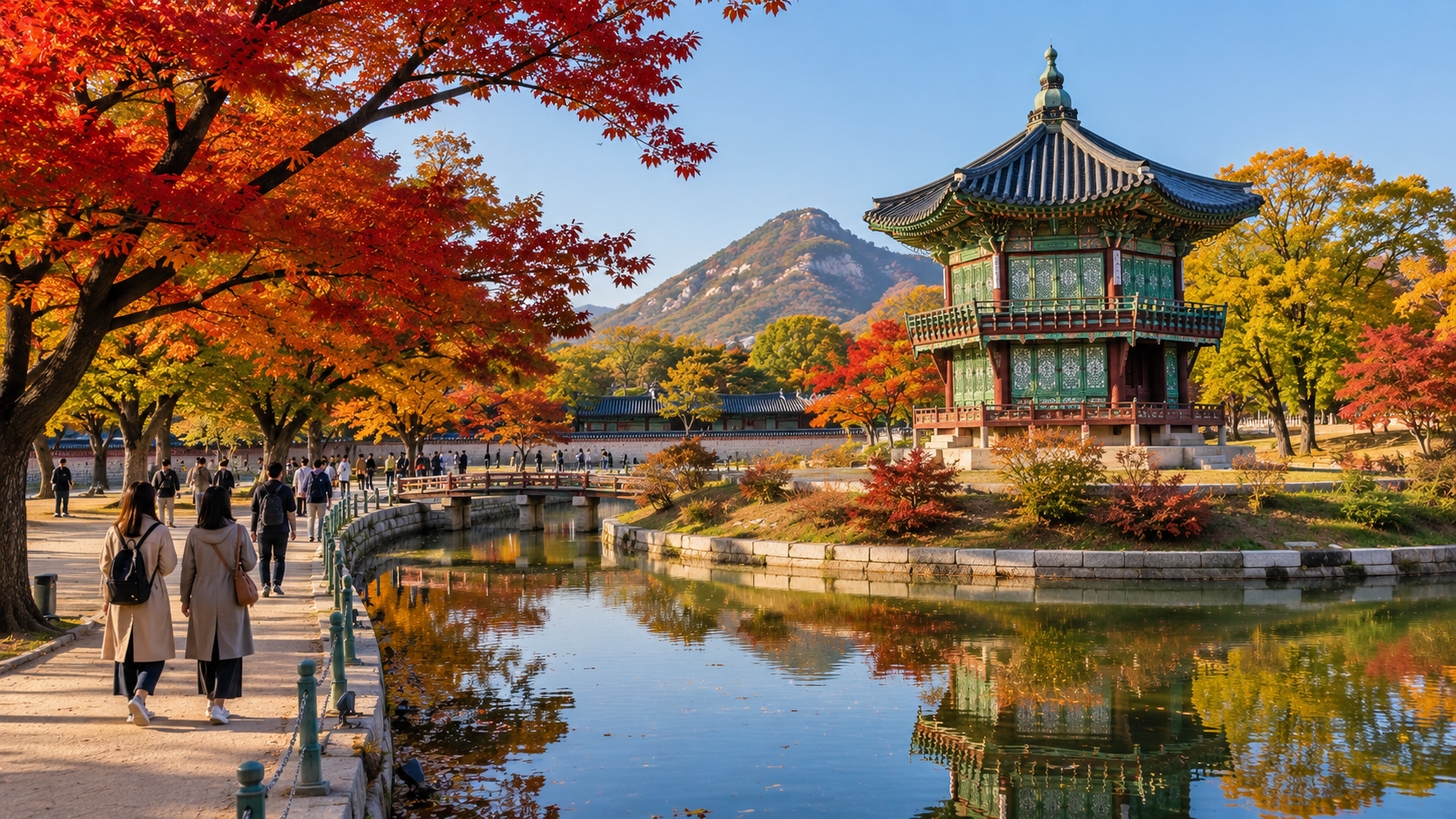
Gyeongbokgung Palace
Gyeongbokgung is a better choice for monumental architecture, broad courtyards, mountain views, and reflections around its ponds. Autumn color is more dispersed than in Changdeokgung’s garden, but the combination of palace roofs, water, and trees is highly photogenic.
Hours verified on June 9, 2026 are 09:00-18:00 in September and October, with final admission at 17:00. In November, the palace closes at 17:00, with final admission at 16:00. It normally closes on Tuesdays. Standard adult admission is KRW 3,000, and qualifying visitors wearing hanbok, Korea’s traditional clothing, may enter free under the official rules. Check the Royal Palaces and Tombs Center hours before visiting because special events can alter access.
Arrive near opening time for quieter courtyards. If you rent hanbok, verify the shop’s return time and rain policy before paying; palace night openings and special seasonal events have separate schedules and should not be assumed to operate every autumn.
Deoksugung and Jeongdong-gil
Deoksugung is convenient when you want a shorter central-Seoul walk. Combine the palace with the stone-wall road and Jeongdong-gil, where trees, historic buildings, cafés, and cultural venues are close together.
Deoksugung is normally open until 21:00, with final admission at 20:00, and closes on Mondays. Adult admission is KRW 1,000, based on official information verified on June 9, 2026. The palace works well near sunset, but some interior buildings close earlier than the grounds.
Seoul Forest
Seoul Forest is a practical choice for travelers who want autumn scenery without a mountain hike. The park has broad paths, open lawns, wooded sections, and metasequoia and ginkgo trees. It is also easy to combine with Seongsu-dong’s cafés and shops.
The Korea Tourism Organization lists the park at 273 Ttukseom-ro and recommends access from Seoul Forest Station Exit 4 or Ttukseom Station Exit 8. See the official tourism organization’s guide to Seoul’s autumn forests.
Weekday mornings are calmer. On weekends, expect picnics, photo sessions, and heavier foot traffic around the most recognizable tree-lined paths.
Haneul Park
Haneul Park, meaning “Sky Park,” is known for open views and large fields of silver grass rather than dense maple forest. It sits on a raised plateau within World Cup Park and is especially attractive when low sunlight catches the grass.
From World Cup Stadium Station, reaching the top involves a substantial walk and climb. A small electric shuttle has operated seasonally, but its hours, fare, queue, and weather-related operation can change; check on site rather than depending on it. Bring water and allow enough time to descend before dark.
Olympic Park
Olympic Park suits travelers who prefer spacious, relatively gentle walking routes. Its lakes, grassy hills, sculptures, ancient earthen fortress area, and scattered autumn trees make it possible to spend several hours without following a rigid course.
The park is large. Choose two or three priorities instead of attempting every landmark. Mongchon Fortress, Mongchon Lake, and the One Tree Hill area make a manageable route, while the subway station you use should depend on your intended entrance.
Bukhansan National Park
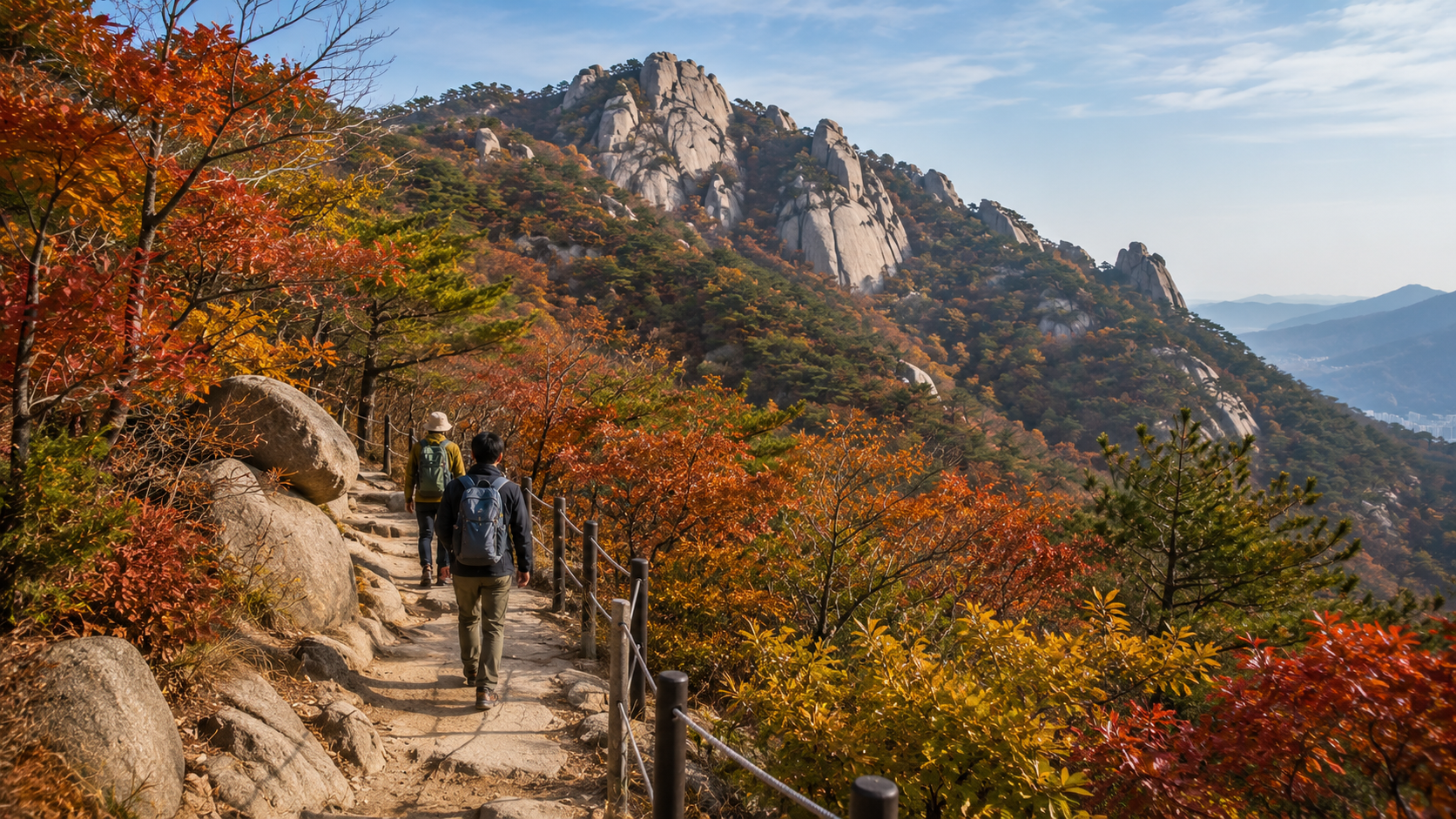
Bukhansan offers mountain scenery within reach of the city, but it should be treated as a real hike rather than a casual urban walk. Trails can be steep, rocky, congested, and slippery with fallen leaves. Start early, carry water, and wear shoes with grip.
Trail access may be restricted during severe weather, fire-risk periods, maintenance, or safety incidents. Check the Korea National Park Service notices and control information on the morning of your hike. Avoid exposed peaks in high wind or poor visibility, and turn back early enough to finish before sunset.
For a less strenuous alternative, choose Ansan Jarak-gil, Namsan Park, or a streamside route listed by Seoul’s seasonal trail program.
A flexible three-day autumn itinerary
Day 1: Palaces and central Seoul
Start at Changdeokgung with a reserved Secret Garden session. Continue to nearby Bukchon or Samcheong-dong for lunch, but remember that Bukchon is a residential area: keep noise down, follow posted visitor restrictions, and avoid blocking doorways.
In the afternoon, walk toward Gwanghwamun and Gyeongbokgung. Finish at Cheonggyecheon Stream or Deoksugung, depending on your energy and the closing times.
Day 2: Seoul Forest and the Hangang River
Visit Seoul Forest in the morning, then have lunch in Seongsu-dong. In the afternoon, continue to a nearby Hangang park for a riverside walk. Seoul operates 11 Hangang parks with different facilities and landscapes; check the official Hangang Parks guide for current access and facility information.
River areas can feel much colder and windier after sunset than nearby streets. Carry an extra layer even when the afternoon is mild.
Day 3: Choose a mountain or a large park
For active travelers, start a suitable Bukhansan route early. For a gentler day, choose Haneul Park, Olympic Park, or Namsan, then move indoors to a museum or market if the weather changes.
Do not combine a long mountain hike with multiple distant attractions. Autumn weekends bring road congestion and crowded trailheads, so leaving room in the schedule is more useful than adding another stop.
Getting around
The subway is usually the simplest way to reach Seoul’s major autumn locations. Official Visit Seoul information checked on June 9, 2026 lists the basic adult subway fare as KRW 1,400 with a transport card or KRW 1,500 with a single-use ticket. Distance supplements and separate-line charges may apply. See the official Seoul subway guide before travel.
Use a reloadable transport card for transfers between buses and subways. Tap when entering and leaving the subway, and tap both when boarding and exiting a bus. Keep a small balance available because some top-up machines or sales points may have payment limitations.
Navigation apps commonly used in Korea often provide better local walking and public-transport detail than international map services. Compare the destination’s Korean name or address when several entrances appear, especially at Olympic Park, Bukhansan, and Hangang parks.
What to wear and carry
Use layers instead of relying on one heavy coat. A practical autumn day bag includes:
- A light jacket in September and early October
- A warmer jacket or insulated layer for late October and November
- Comfortable shoes with traction
- A compact umbrella or light rain shell
- Water, especially for parks and hikes
- Sunscreen and sunglasses for clear afternoons
- A portable battery for navigation and photography
- A reusable bag for snacks or picnic supplies
Morning-to-afternoon temperature changes can be substantial. Mountain and riverside locations may also feel colder than dense commercial districts.
Food and seasonal breaks
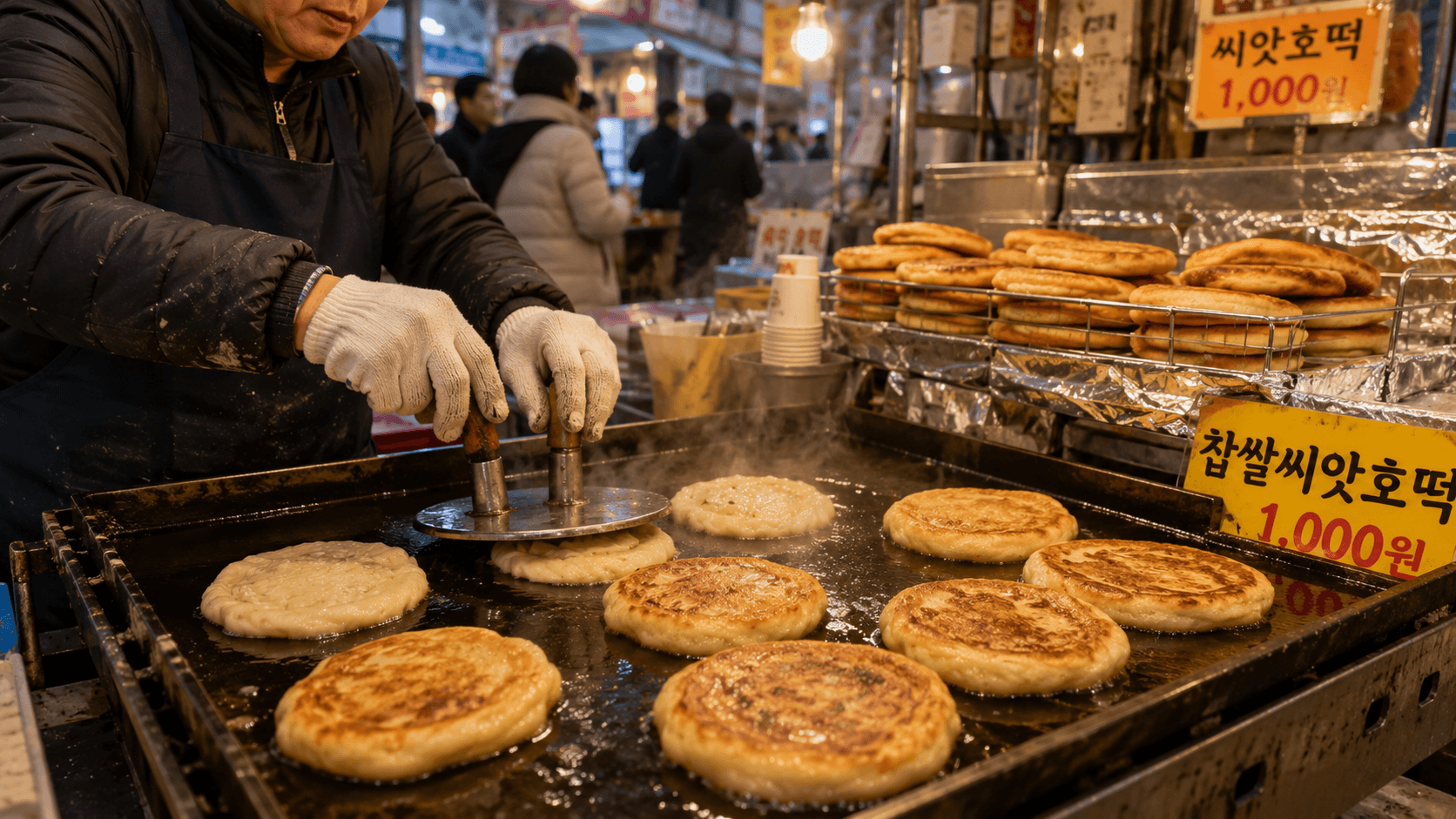
Autumn is a good time to try roasted sweet potatoes, roasted chestnuts, persimmons, apples, and warm street snacks, but availability and prices vary by market and vendor. Do not assume that street stalls accept foreign cards; carry some KRW cash.
For a picnic, buy food near the park rather than expecting cafés or convenience stores at every entrance. Dispose of rubbish in designated bins or take it with you. Cooking, open flames, tents, and alcohol may be restricted in particular parks or zones, so follow local signs.
Common planning mistakes
- Expecting peak foliage in September: September is often still green, particularly in central Seoul.
- Booking the Secret Garden too late: October and November reservations can disappear quickly.
- Starting a hike after lunch: Shorter daylight and crowded trails make an early start safer.
- Ignoring regular palace closure days: Gyeongbokgung normally closes Tuesday; Changdeokgung, Deoksugung, and Changgyeonggung normally close Monday.
- Underestimating distances inside parks: Olympic Park, World Cup Park, and Bukhansan require more time than their map pins suggest.
- Depending on one foliage date: Wind or rain can change conditions within a few days.
- Wearing smooth-soled fashion shoes: Wet stone, soil, and fallen leaves can be slippery.
What to check before you go
Check these items again shortly before departure, even if you planned months in advance:
- The Korea Meteorological Administration forecast and any weather advisories
- The latest 2026 foliage reports rather than an older “peak date” graphic
- Palace opening hours, closure days, and special-event restrictions
- Changdeokgung Secret Garden ticket availability
- National park trail controls and sunset time
- Chuseok dates and holiday opening notices
- Last subway or bus service for your route
- Accessibility information for the exact entrance and path you plan to use
- Air-quality conditions if you have respiratory sensitivities
A reliable next step is to choose one palace, one urban park, and one weather-dependent mountain or riverside day. Reserve Changdeokgung’s Secret Garden when booking opens, then keep the outdoor days interchangeable until the short-range forecast is available.
Sources
- Korea Tourism Organization: Climate and seasonal travel guidance
- Seoul Metropolitan Government: Autumn foliage trails
- Korea Tourism Organization: Seoul’s autumn forests
- Royal Palaces and Tombs Center: Opening hours
- Royal Palaces and Tombs Center: Admission and Secret Garden booking rules
- Official Seoul subway guide
- Korea National Park Service
Fares, palace hours, admission rules, and reservation procedures in this guide were verified on June 9, 2026. Recheck official pages before travel.