Vegetarian food is available throughout South Korea, especially in major cities, university districts, and Buddhist temple-food restaurants. The main difficulty is not finding vegetables; it is confirming the broth, seasoning, kimchi, and toppings. A dish that appears meat-free may contain anchovy stock, fish sauce, shrimp paste, egg, or small pieces of meat.
Information and official links in this guide were checked on June 11, 2026. Individual menus, prices, ingredients, and opening hours can change, so confirm directly with the restaurant before visiting.
Quick answer
- Search for vegan restaurants rather than relying only on the word vegetarian when you need strict separation from animal products.
- Use the Korean terms 비건 (bigeon, vegan) and 채식 (chaesik, vegetarian).
- Ask specifically about meat, seafood, broth, fish sauce, and egg.
- Do not assume kimchi, soup, bibimbap, or vegetable side dishes are vegetarian.
- Buddhist temple food, called 사찰음식 (sachal eumsik), is one of the most dependable ways to explore plant-based Korean cooking.
- For packaged food, read the full ingredient list as well as the allergen statement.
Why ordering vegetarian food can be complicated
Korean meals often include several shared components: rice, soup or stew, a main dish, and banchan (반찬), meaning side dishes. Animal ingredients may be used in small quantities to build flavor rather than appearing as an obvious piece of meat.
For example, a vegetable soup may use dried anchovy stock. Kimchi may be seasoned with fish sauce or salted shrimp. A bowl of bibimbap may arrive with a fried egg and minced beef, while noodles can be served in beef or seafood broth.
The English word vegetarian can also be interpreted differently. Some staff may understand it as no visible meat but consider seafood broth, fish sauce, or egg acceptable. A list of excluded ingredients is therefore more reliable than a general dietary label.
If your diet is connected to an allergy, religious requirement, or medical condition, explain that clearly. A request to remove a topping does not establish that the broth, sauce, cooking surface, or utensils are free from the ingredient.
Useful Korean phrases
Save these phrases on your phone and show them to staff when necessary.
| English | Korean | Approximate pronunciation |
|---|---|---|
| I am vegetarian. | 저는 채식주의자예요. | Jeoneun chaesikjuuijayeyo. |
| I am vegan. | 저는 비건이에요. | Jeoneun bigeonieyo. |
| I do not eat meat. | 고기를 먹지 않아요. | Gogireul meokji anayo. |
| I do not eat seafood. | 해산물을 먹지 않아요. | Haesan-mureul meokji anayo. |
| I do not eat eggs or dairy products. | 계란과 유제품을 먹지 않아요. | Gyerangwa yujepumeul meokji anayo. |
| Does this contain meat? | 이 음식에 고기가 들어가요? | I eumsige gogiga deureogayo? |
| Does the broth contain anchovies or meat? | 육수에 멸치나 고기가 들어가요? | Yuksue myeolchina gogiga deureogayo? |
| Does this contain fish sauce? | 액젓이 들어가요? | Aekjeosi deureogayo? |
| Please leave out the egg. | 계란은 빼 주세요. | Gyeraneun ppae juseyo. |
| Please make it without meat or seafood. | 고기와 해산물 없이 해 주세요. | Gogiwa haesanmul eopsi hae juseyo. |
For a strict vegan request, this written message is more precise:
저는 비건입니다. 고기, 생선, 해산물, 멸치육수, 액젓, 계란, 우유, 버터를 먹지 않습니다.
I am vegan. I do not eat meat, fish, seafood, anchovy broth, fish sauce, eggs, milk, or butter.
This phrase communicates your request, but it cannot guarantee that a kitchen can prevent cross-contact.
Korean dishes that may work for vegetarians
The following dishes can be vegetarian, but their names alone do not guarantee suitable ingredients.
Bibimbap
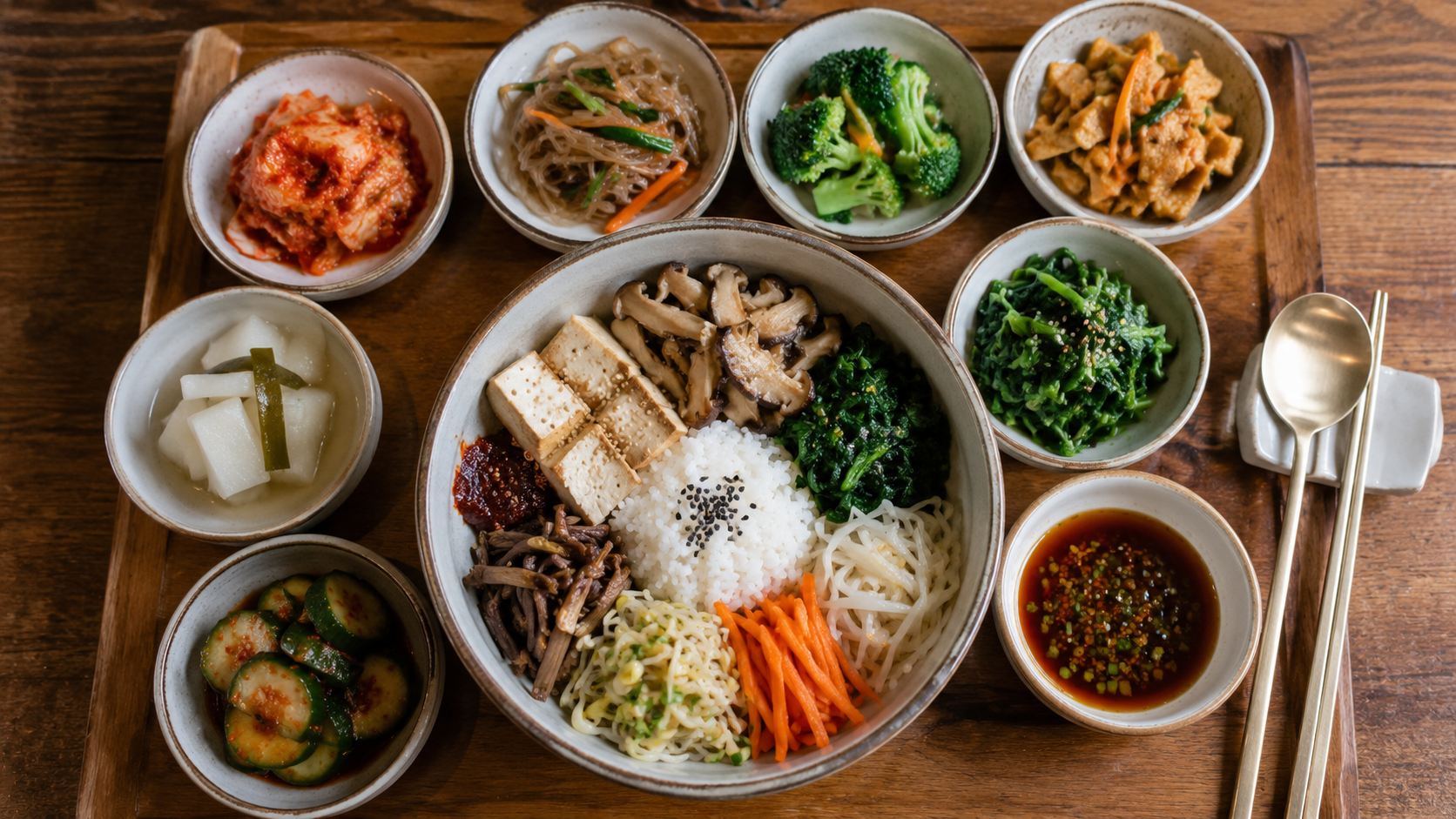
Bibimbap (비빔밥) is rice mixed with seasoned vegetables and red chili paste. Standard versions frequently include beef and egg. Ask for both to be removed and confirm that the vegetables were not prepared with meat or seafood seasoning.
The red chili paste, gochujang (고추장), is generally made from chili, grain, fermented soybean, and salt, but commercial sauces or restaurant mixtures can contain additional ingredients. Check when strict compliance is necessary.
Gimbap
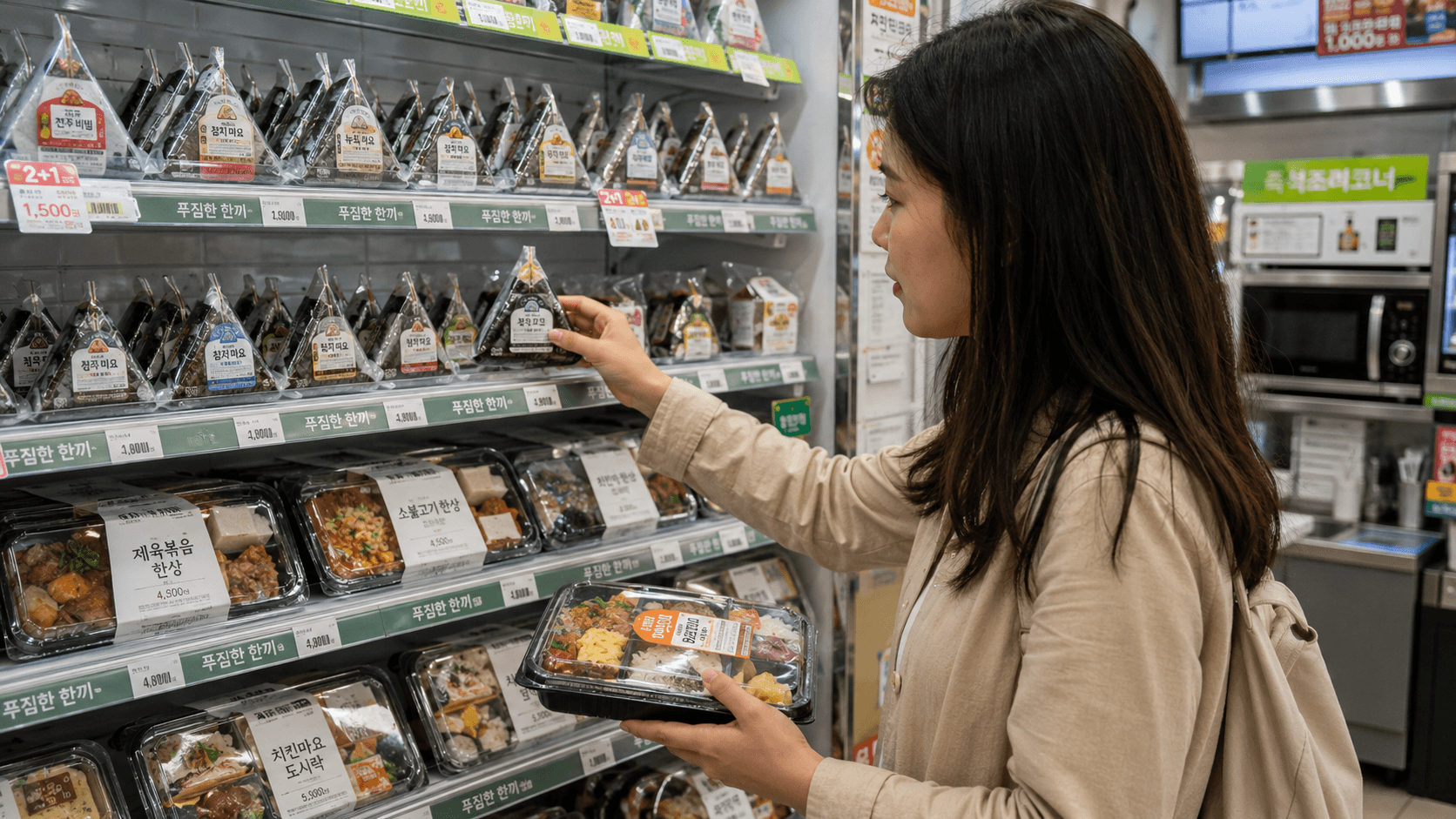
Gimbap (김밥) consists of rice and fillings rolled in dried seaweed. Vegetable versions may still contain egg, fish cake, imitation crab, ham, or tuna. Request a roll made only with vegetables, or choose a shop that specifically identifies its products as vegan.
Removing visible fillings from a prepared roll is not equivalent to ordering a vegetarian meal because oils, utensils, and preparation surfaces may be shared.
Japchae
Japchae (잡채) is made with glass noodles, vegetables, soy sauce, and sesame oil. Beef is a common addition, and some kitchens prepare the vegetables and meat together. Ask whether the restaurant can cook a separate meat-free portion.
Kongguksu
Kongguksu (콩국수) combines noodles with a cold soybean broth and is commonly eaten in summer. It is often one of the simpler choices, but confirm the noodle ingredients, toppings, and kitchen preparation. Some noodles may contain egg.
Vegetable jeon
Jeon (전) are savory pancakes or battered ingredients cooked on a griddle. Vegetable varieties include chive, potato, mung-bean, and kimchi pancakes. Batter can contain egg, while kimchi may contain seafood seasoning. Seafood pieces may also be added even when the English menu says vegetable pancake.
Tofu dishes
Plain tofu, grilled tofu, and tofu salads can be suitable. Sundubu-jjigae (순두부찌개), or soft-tofu stew, is less predictable: it commonly includes seafood, pork, egg, or anchovy-based stock. Order it only when the restaurant confirms a vegetarian broth and preparation method.
Namul and other side dishes
Namul (나물) are seasoned vegetable dishes such as spinach, bean sprouts, fernbrake, or bellflower root. Many are plant-based, but some are seasoned with fish sauce or other seafood products.
Side dishes are also prepared in advance, so staff may be unable to alter them. Ask which banchan are suitable instead of assuming that every vegetable plate is safe.
Foods that commonly contain hidden animal ingredients
Kimchi
Traditional and commercial kimchi recipes vary. Common animal-derived seasonings include fish sauce, salted shrimp, and other fermented seafood. Look for kimchi specifically labeled vegan, or ask:
이 김치는 비건인가요? 액젓이나 새우젓이 들어가요?
Is this kimchi vegan? Does it contain fish sauce or salted shrimp?
Soups and stews
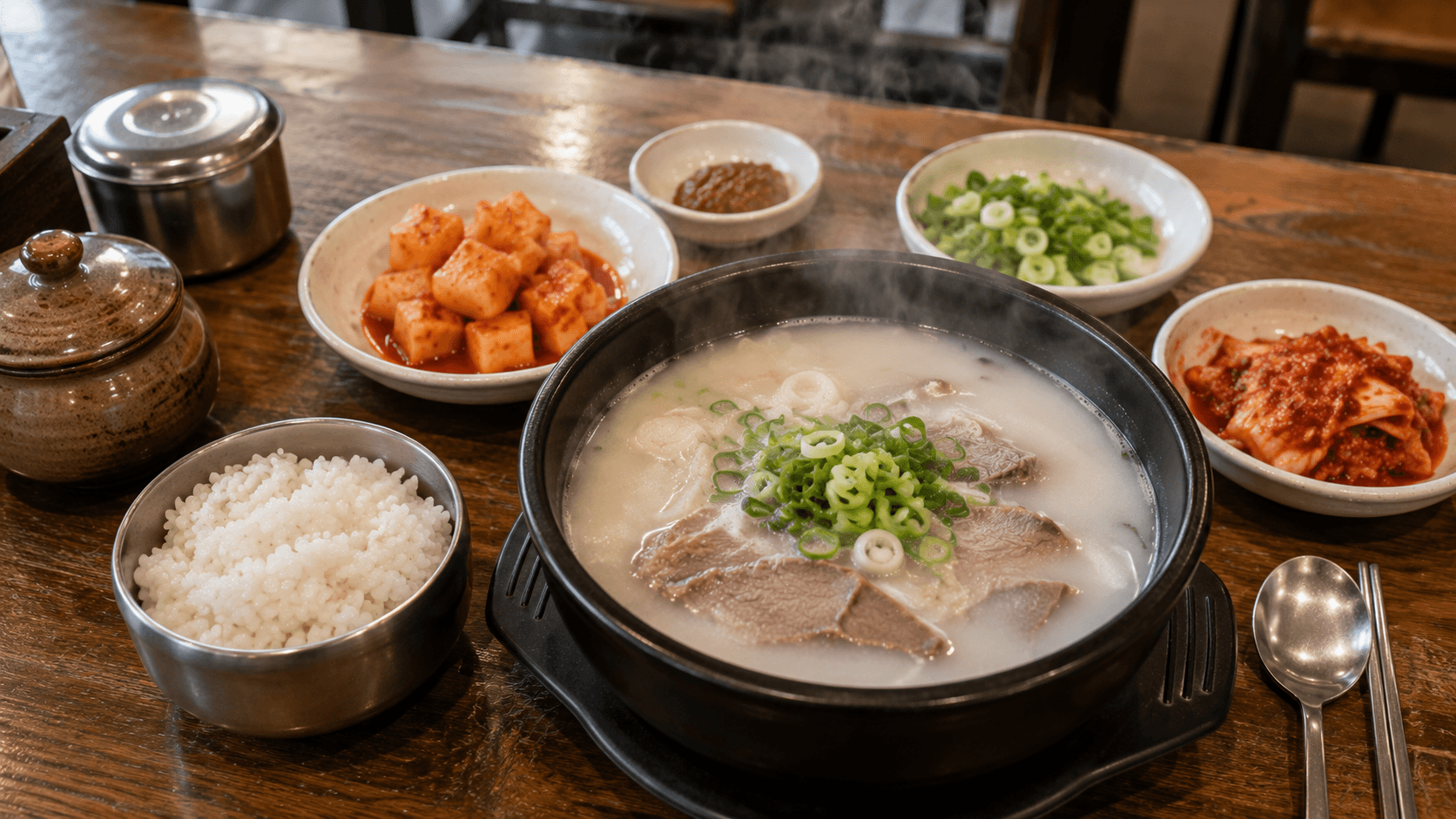
Many soups begin with anchovy, dried seafood, beef, pork, or chicken stock. Removing meat after cooking does not make the broth vegetarian. This applies to apparently simple dishes such as soybean-paste stew, tofu stew, seaweed soup, and noodle soup.
The useful word is yuksu (육수), meaning broth or stock. Ask about the stock before discussing visible toppings.
Tteokbokki
Tteokbokki (떡볶이), spicy rice cakes, often contains fish cake and may use anchovy stock. A vendor may be able to omit the fish-cake pieces, but the sauce and stock may already have been cooked with them.
Instant noodles
Vegetable images or words such as mushroom, kimchi, or spicy do not establish that instant noodles are vegetarian. Flavor packets can contain beef, chicken, fish, shellfish, dairy, or egg derivatives.
Bakery products and desserts
Bread, pastries, cakes, and café drinks may contain egg, milk, butter, gelatin, or honey. In Korea, the words bread or toast do not imply a dairy-free product. Ask separately about the bread, spread, filling, and topping.
Temple food: the clearest introduction to plant-based Korean cuisine
Korean Buddhist temple food, sachal eumsik, centers on grains, vegetables, mushrooms, tofu, seaweed, fermented sauces, and seasonal ingredients. Traditional temple cooking avoids meat and fish and generally excludes five pungent vegetables, including garlic and green onions.
Temple-food restaurants range from casual set-meal venues to reservation-only dining rooms. A temple stay may also include communal meals or barugongyang (발우공양), a formal Buddhist meal practice. Meal inclusion and program details vary, so check the individual listing before booking through the official Templestay reservation service. Program availability and reservation information were verified on June 11, 2026.
Temple food is usually the most straightforward category for vegans, but visitors should still confirm desserts, drinks, packaged products, and restaurant-specific adaptations. A restaurant described as temple-inspired may not follow every monastic rule.
How to find suitable restaurants
Search in Korean
Korean search terms generally produce more useful local results than English alone. Try:
- 비건 식당: vegan restaurant
- 채식 식당: vegetarian restaurant
- 사찰음식: temple food
- 비건 빵집: vegan bakery
- 비건 카페: vegan café
- 지역명 + 비건, such as 부산 비건 for Busan vegan options
Local map listings may be more current than old blog posts. Check the newest reviews for reports of changed menus, closures, reservation requirements, and limited service days. Then contact the restaurant directly, especially when traveling outside Seoul or Busan.
Reserve when the menu is fixed
Some temple-food venues, tasting-menu restaurants, and small vegan restaurants require reservations. When booking, state whether you are vegetarian, vegan, or avoiding particular ingredients. Do not wait until a multi-course meal begins to mention a strict requirement.
Build a backup plan
Keep at least one packaged meal or snack available on travel days, particularly when visiting rural attractions, highway rest areas, islands, or hiking areas. Plain fruit, nuts, soy drinks, rice, tofu, and some roasted sweet potatoes can be useful, subject to their labels and your dietary needs.
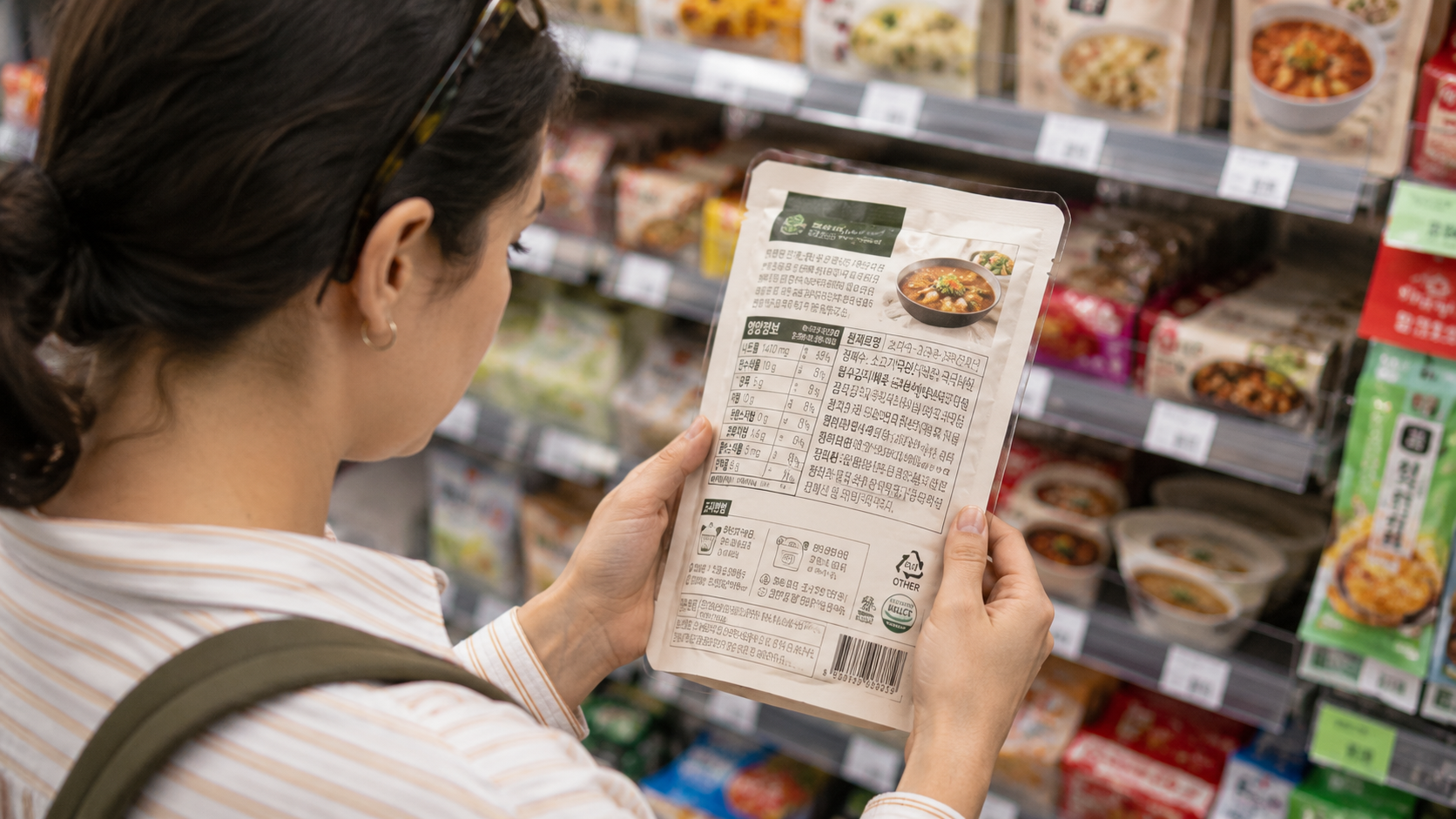
Reading packaged-food labels
The Korean Ministry of Food and Drug Safety requires packaged foods within the relevant labeling system to provide information including the product name and ingredients. It also requires designated allergens to be identified when they are used as ingredients. The official list includes eggs, milk, soybeans, wheat, pork, chicken, beef, fish, shellfish, and several other items. See the MFDS Food Labeling System for the official explanation, verified June 11, 2026.
Useful label words include:
| Korean | Meaning |
|---|---|
| 원재료명 | Ingredient list |
| 계란 / 알류 | Egg / eggs |
| 우유 | Milk |
| 버터 | Butter |
| 유청 | Whey |
| 돼지고기 | Pork |
| 쇠고기 / 소고기 | Beef |
| 닭고기 | Chicken |
| 멸치 | Anchovy |
| 생선 | Fish |
| 새우 | Shrimp |
| 오징어 | Squid |
| 조개류 | Shellfish |
| 액젓 | Fish sauce |
| 젓갈 | Salted fermented seafood |
| 육수 | Broth or stock |
| 비건 | Vegan |
An allergen declaration is not a complete vegetarian checklist. It is designed to communicate regulated allergen information, not to certify that a product is vegan. Read the full ingredient list and treat shared-facility warnings according to your own medical or dietary requirements.
Common mistakes to avoid
- Assuming that vegetable means vegetarian.
- Asking only for no meat without mentioning fish, seafood, broth, or fish sauce.
- Treating fish cake as a type of vegetable side dish.
- Assuming all kimchi is vegan.
- Ordering tofu stew without checking the stock.
- Expecting a kitchen to remake pre-prepared banchan or sauces.
- Relying on an old restaurant list without checking the current map listing.
- Using allergy language casually when the issue is a preference. Clear, accurate communication helps staff assess what they can safely provide.
What to check before you go
- Confirm that the restaurant is still operating and serving the relevant menu.
- Check opening hours, last order, break time, and regular closing days.
- Ask whether reservations are required.
- State whether you eat eggs, dairy, honey, fish sauce, and seafood broth.
- Ask whether a set menu can be changed before reserving.
- Carry a Korean dietary card or saved message.
- Keep a backup snack for long journeys and late arrivals.
- For serious allergies, ask about shared fryers, grills, utensils, and preparation surfaces. If the restaurant cannot answer confidently, choose another meal.
For general visitor assistance, the Korea Tourism Organization lists the 1330 Korea Travel Helpline and online chat through the official VISITKOREA website. Service links were verified on June 11, 2026. Restaurant staff or the relevant manufacturer remain the appropriate sources for confirming a specific recipe or packaged product.
FAQ
Is it easy to be vegetarian in South Korea?
It is manageable with planning. Dedicated vegan and vegetarian businesses are easier to find in large cities, while conventional restaurants require more questions about broth and seasonings. Rural destinations and late-night dining generally need stronger backup planning.
Is bibimbap vegetarian?
Not automatically. It may contain beef, egg, or vegetables seasoned with animal-derived ingredients. Ask for a meat-free and egg-free version and check the seasoning if you are vegan.
Is Korean kimchi vegan?
Some is, but many recipes contain fish sauce or salted seafood. Choose explicitly vegan kimchi or ask about the recipe.
Can vegetarians eat at a Korean barbecue restaurant?
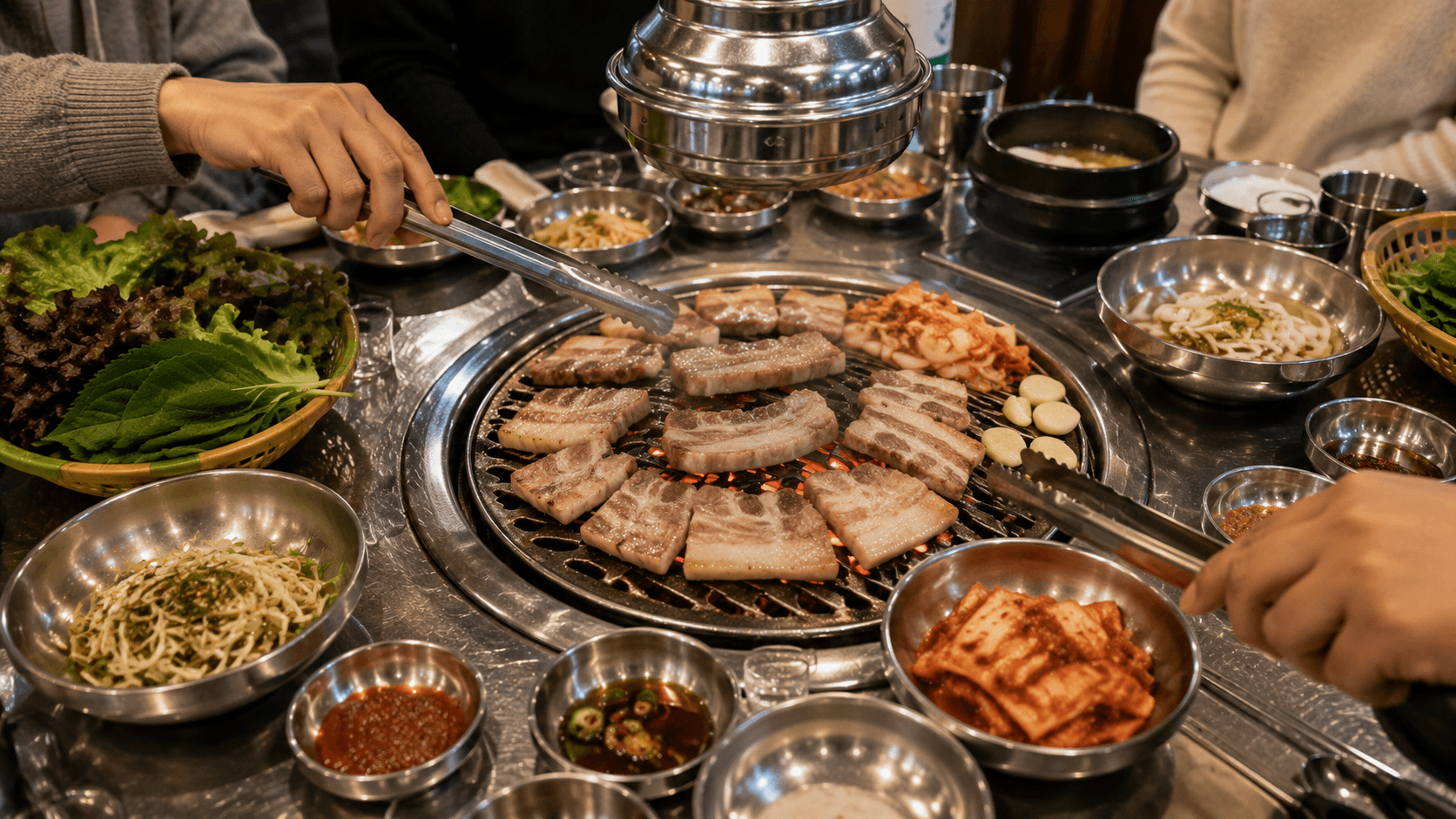
A mixed group may find rice, vegetables, mushrooms, and some side dishes, but shared grills, meat-based sauces, and seafood-seasoned banchan make strict vegetarian or vegan dining difficult. Contact the restaurant before visiting rather than expecting the table setup to be adapted.
What is the most dependable traditional option?
A dedicated Korean temple-food restaurant is generally the clearest traditional choice. Confirm its current menu and reservation rules, particularly when it is temple-inspired rather than directly connected to Buddhist food practice.
Sources
- Ministry of Food and Drug Safety: Food Labeling System
- Official Templestay reservation service
- Korea Tourism Organization: VISITKOREA
Start by saving the Korean dietary message above and identifying one suitable restaurant near each day's destination. That small amount of preparation is more reliable than trying to negotiate every ingredient after sitting down.