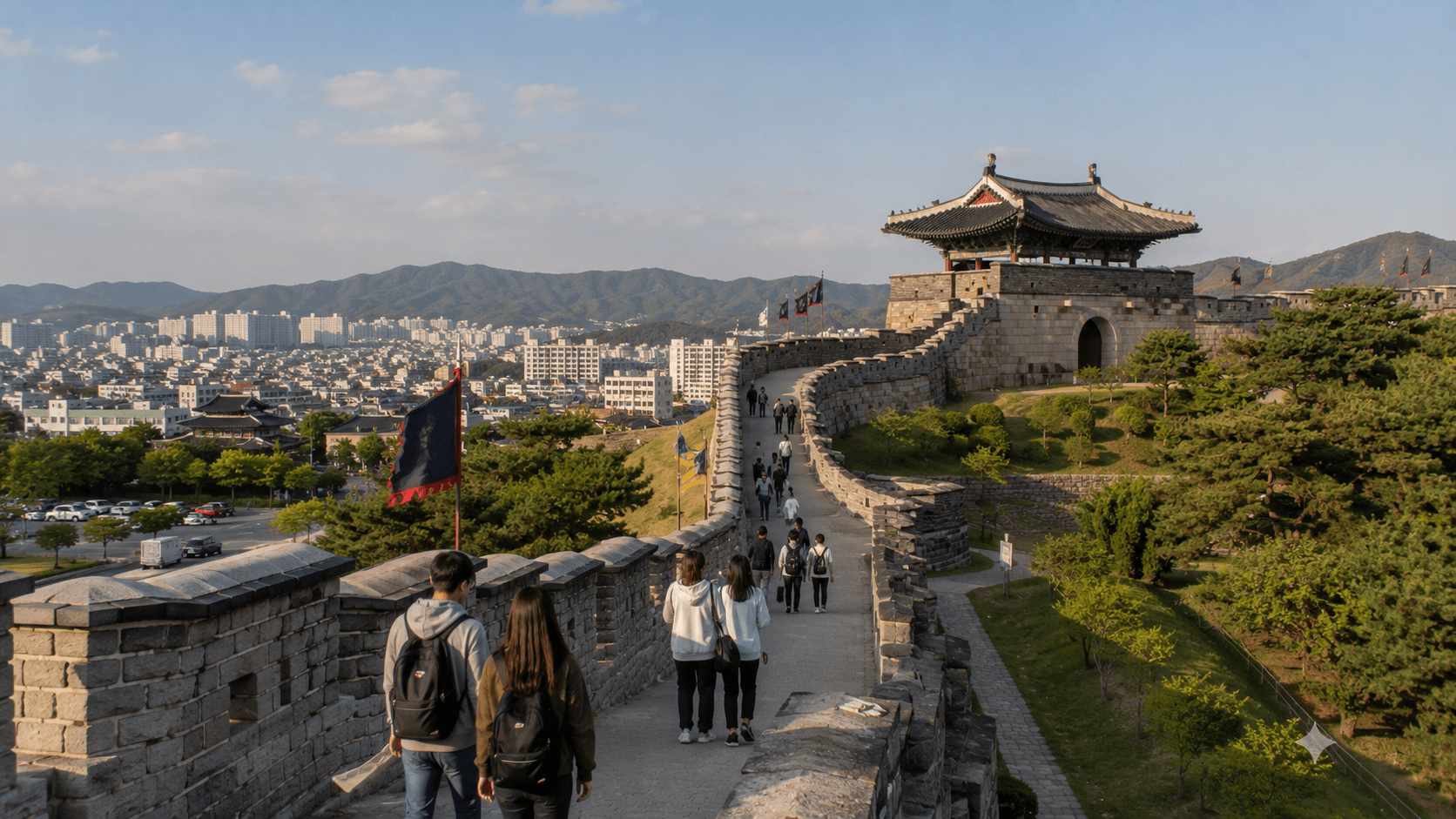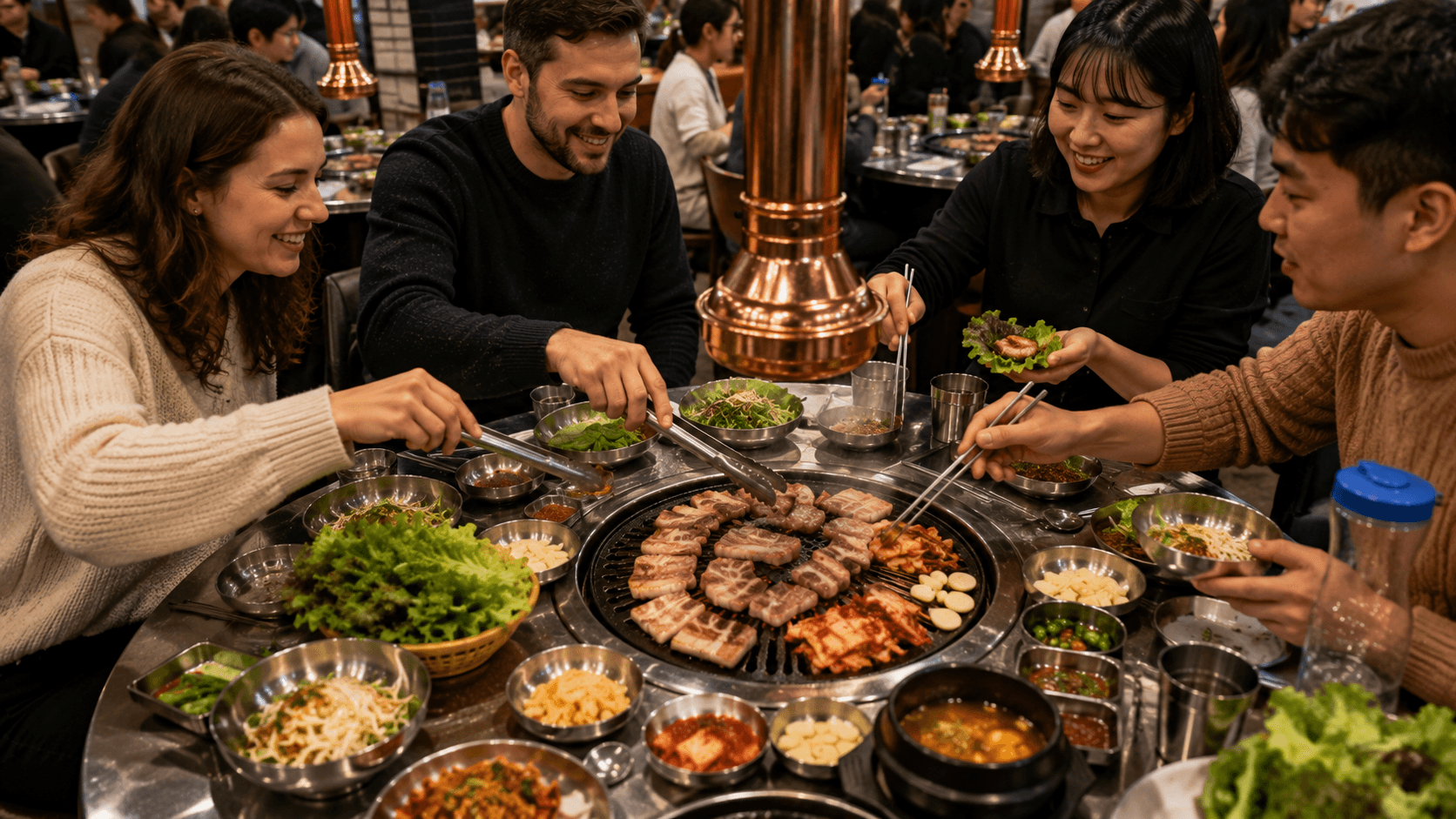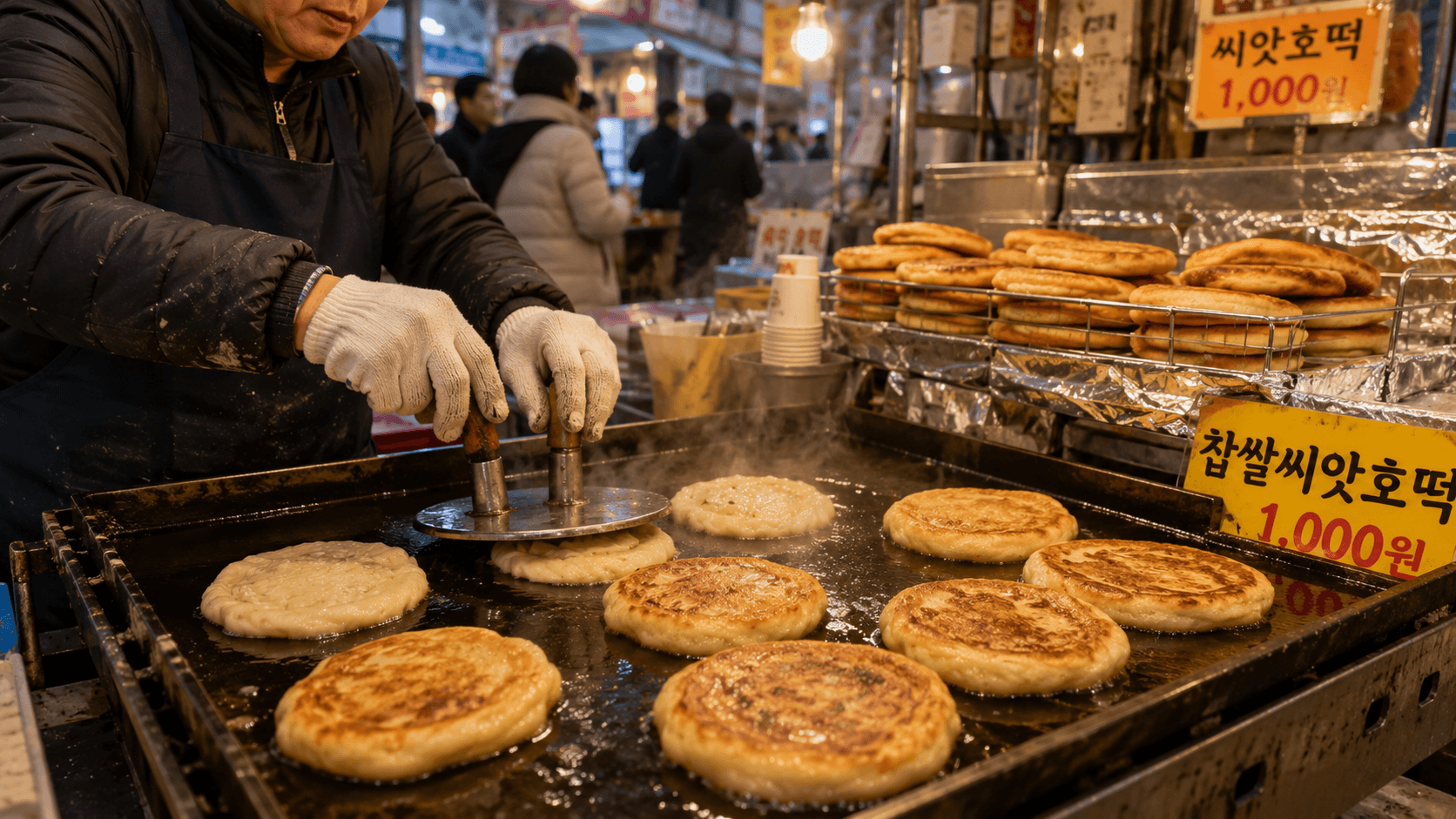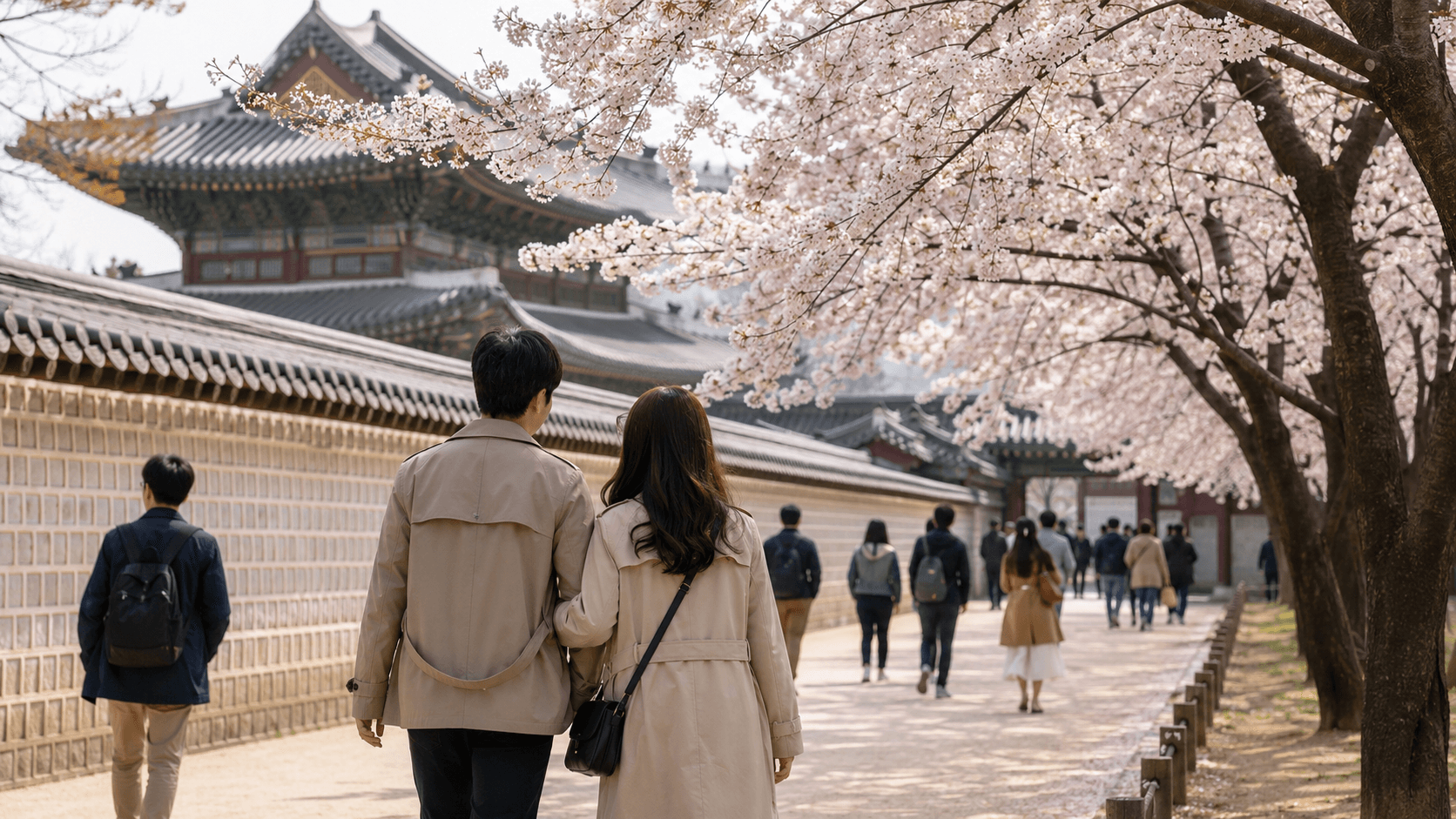
Korea has four distinct seasons, so what you should wear depends heavily on your travel month and destination. Pack breathable, rain-ready clothes for summer; insulated layers for winter; and flexible outfits for spring and autumn, when temperatures can change sharply between morning and afternoon.
The guidance below is based on Korea Meteorological Administration (KMA) climate information and was verified on June 9, 2026. Climate averages describe typical conditions, not the forecast for your particular trip, so check the local weather again shortly before departure.
At a glance
| Season | Months | Basic outfit | Important extras |
|---|---|---|---|
| Spring | March-May | Light layers, trousers, comfortable shoes | Packable jacket, mask for dusty days |
| Summer | June-August | Loose, breathable tops and lightweight bottoms | Umbrella, quick-drying shoes, sun protection |
| Autumn | September-November | Light layers early; jacket or coat later | Wind-resistant outer layer |
| Winter | December-February | Thermal base layer, sweater and insulated coat | Gloves, scarf, warm socks, shoes with grip |
The Korea Meteorological Administration’s climate overview describes spring and autumn as generally clear and dry, summer as hot and humid, and winter as cold and dry. Its 1991-2020 normals show substantial regional variation: January monthly average temperatures range from approximately -6.9°C to 3.6°C across mainland observation areas, while August averages range from about 19.7°C to 26.7°C.
Spring: March to May
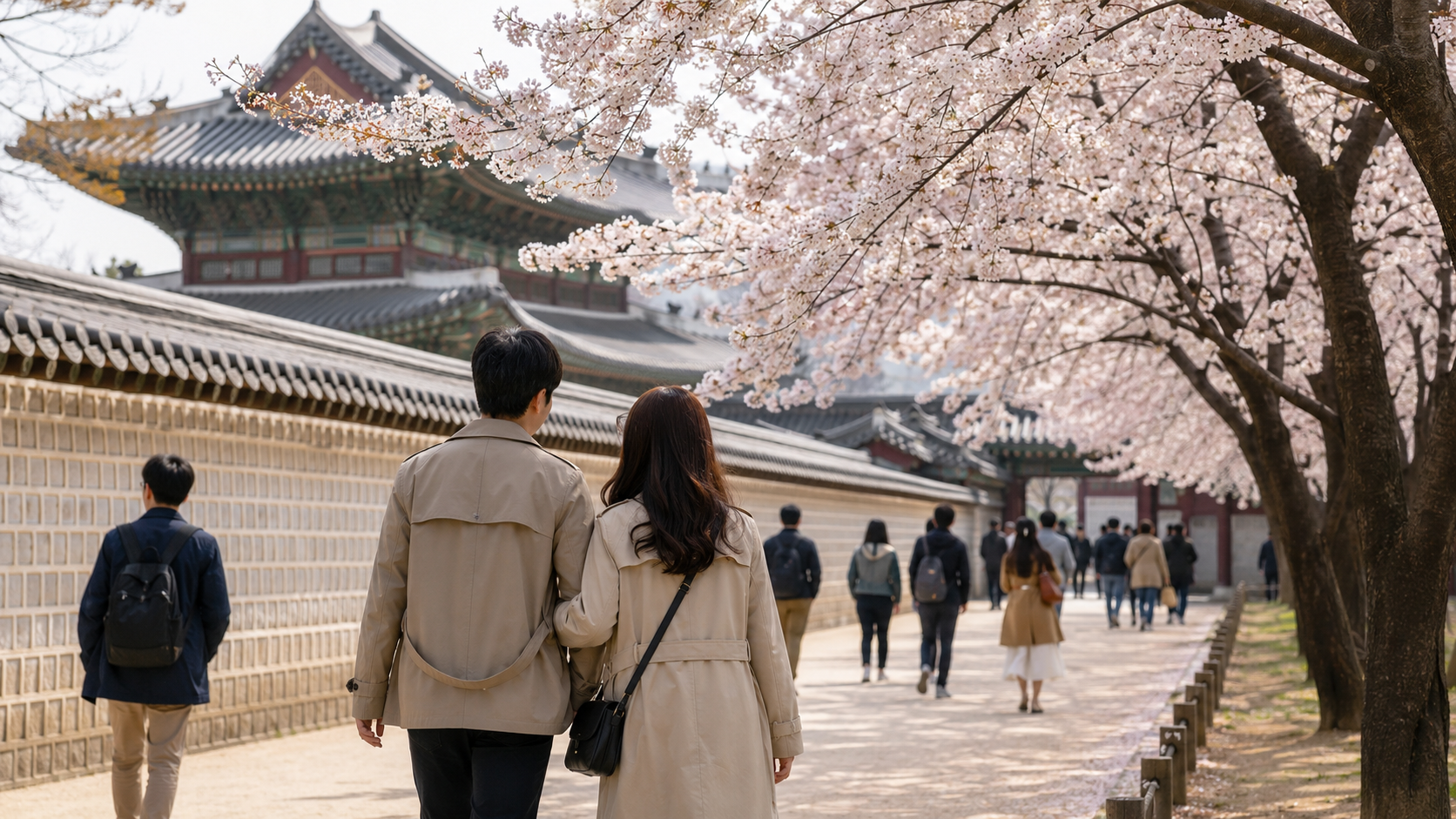
Spring is a transition rather than one consistent block of weather. March can still feel wintry, especially after sunset or when a cold wind arrives. April is usually milder, while May can become warm enough for short sleeves during the afternoon.
What to wear in March
Start with layers that you can remove:
- A long-sleeved base layer or shirt
- A sweater, cardigan or fleece
- A medium-weight jacket
- Full-length trousers or jeans
- Closed walking shoes and regular or warm socks
A lightweight down jacket can be useful in early March, particularly in Seoul, inland areas and mountain destinations. Travelers arriving from a warm climate may need a warmer coat than local commuters appear to be wearing.
Korea occasionally experiences kkotsaem chuwi (꽃샘추위), a late cold spell whose Korean name literally refers to cold that is “jealous” of spring flowers. Do not assume that cherry blossoms mean consistently warm weather.
What to wear in April and May
By April, a trench coat, light jacket or cardigan is generally more practical than a heavy winter coat. In May, a T-shirt or light shirt may be comfortable during the day, but keep a thin outer layer for evenings, air-conditioned spaces and sudden changes in weather.
Spring air can be dry, and Asian dust events known as hwangsa (황사) can occur. The KMA explains that these events carry dust originating from continental desert and loess regions. Check the official AirKorea real-time air-quality service before long outdoor activities. A well-fitting protective mask is a practical item to carry, especially if you have respiratory sensitivities; follow medical guidance appropriate to your circumstances.
Summer: June to August
Korean summers are hot and humid. Lightweight fabric matters, but rain preparation is just as important as heat preparation.
According to the KMA’s 1991-2020 national climate characteristics, average humidity is highest in July and August, at approximately 78-79% nationwide. Summer accounts for about 54% of Korea’s average annual precipitation. The same source places the typical start of the rainy period in late June, beginning earlier in Jeju and then reaching southern and central Korea, but actual timing and rainfall vary considerably from year to year.
Everyday summer clothing
Pack:
- Loose T-shirts, shirts or blouses in breathable fabric
- Lightweight trousers, skirts or shorts
- Quick-drying underwear and socks
- Comfortable sandals or ventilated walking shoes
- A sun hat and sunglasses
- A thin overshirt or cardigan for strong indoor air conditioning
Light-colored, loose clothing is generally more comfortable than tight denim or heavy synthetic fabric. If you expect to walk extensively, prioritize moisture management and shoes that remain comfortable when your feet swell in hot weather.
Shorts and sleeveless tops are common in casual urban settings. For religious sites, formal restaurants, workplaces or university functions, carry a light layer and choose clothing appropriate to the particular venue.
Dressing for the rainy season
The rainy period is called jangma (장마). It does not necessarily mean continuous rain every day; conditions can include overcast humidity, short heavy downpours or prolonged rain.
Useful items include:
- A compact, sturdy umbrella
- A very light waterproof shell or rain poncho
- Quick-drying clothes
- Water-resistant walking shoes or sandals with secure straps
- A waterproof pouch for your phone and passport
- Spare socks
A heavy raincoat can become uncomfortable because it traps heat and moisture. A thin shell with ventilation is usually more practical. Avoid relying on smooth flip-flops for long walks: wet subway stairs, painted pavement and stone paths can become slippery.
Summer can also bring heat waves, tropical nights and severe rain. Typhoons may affect Korea, particularly later in summer and into early autumn. Check the KMA weather and warning service each day rather than planning around historical rainy-season dates.
Sun and insect preparation
Cloud cover does not eliminate ultraviolet exposure. Use sun-protective clothing and sunscreen suitable for your skin, and reapply it according to the product instructions. Mosquitoes can be noticeable near parks, rivers and standing water, so long, thin trousers may be more comfortable than shorts for evening walks.
Autumn: September to November
Early September can still feel like summer. October generally brings milder days and cooler evenings, while November can become distinctly cold, particularly in Seoul, inland provinces and mountain areas.
What to wear in September
Keep much of your summer wardrobe available:
- Short-sleeved or light long-sleeved tops
- Lightweight trousers or skirts
- Breathable walking shoes
- A thin cardigan or jacket
- Rain protection
Humidity and heat do not disappear automatically on September 1. Tropical systems and heavy rain can also affect travel during this period, so retain a compact umbrella and check current warnings.
What to wear in October
October is well suited to layering. A typical packing combination is a T-shirt or shirt, a cardigan or light sweater, and a light jacket. Long trousers and closed shoes are practical for both cities and countryside trips.
Morning-to-afternoon temperature differences can be noticeable. Carry a layer instead of dressing only for the warmest forecast temperature.
What to wear in November
By November, pack as though you are approaching winter:
- Sweaters or fleece layers
- A lined jacket, wool coat or light down jacket
- Full-length trousers
- Closed shoes and warmer socks
- A scarf for cold or windy evenings
A heavier coat may be necessary in late November, especially for nighttime activities or mountain trips. Coastal wind can also make conditions feel colder than the air temperature suggests.
Autumn is usually drier than summer, but dry weather does not guarantee warm weather. A wind-resistant outer layer is often more useful than a very thick sweater worn alone.
Winter: December to February
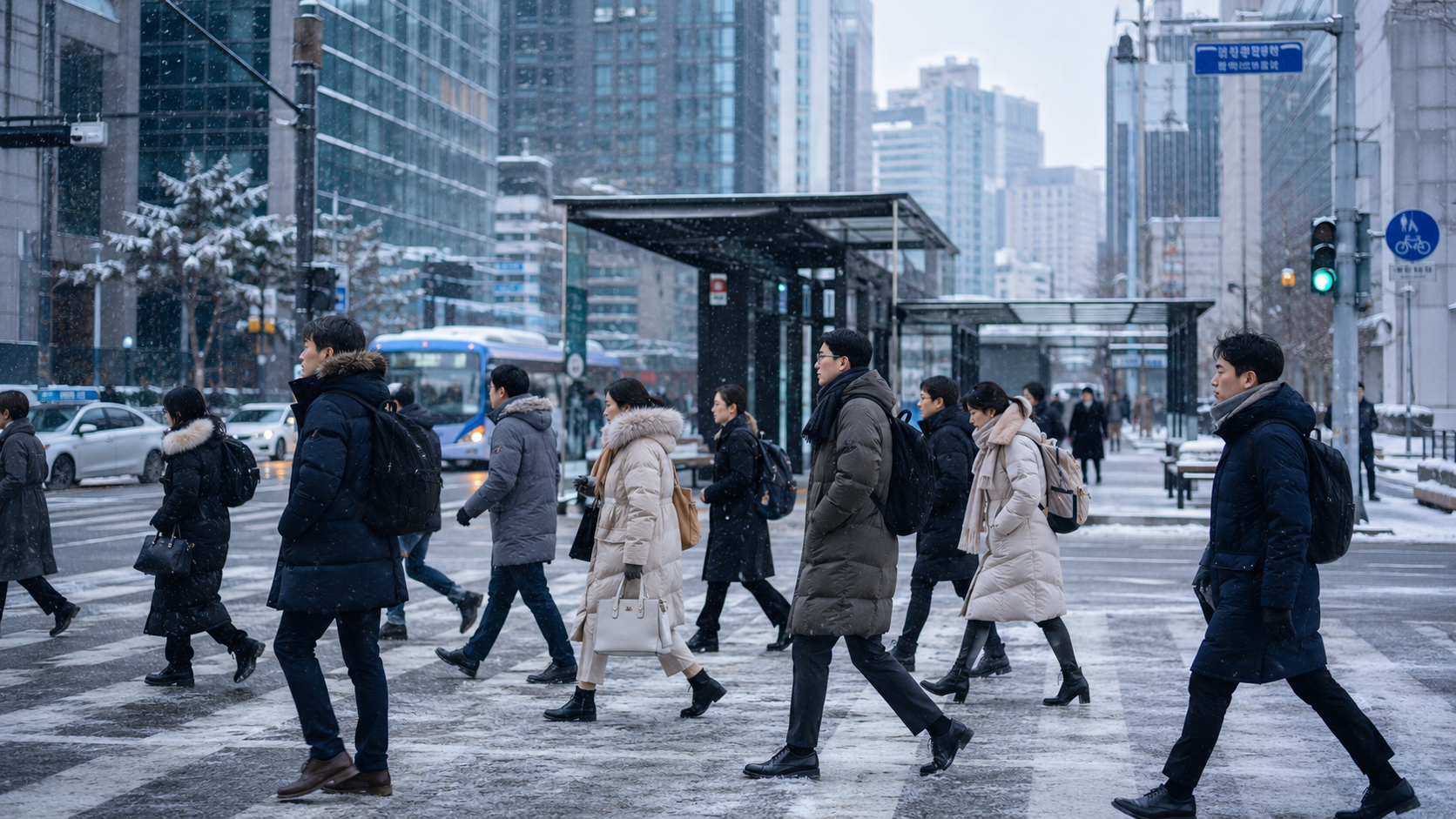
Winter in Korea is cold and generally dry, with cold northwesterly winds. Snow is possible, but conditions vary substantially by region and elevation. Seoul and inland northern areas are usually colder than Busan and Jeju, while mountain resorts require purpose-built winter clothing.
A practical winter layering system
Use three adjustable layers:
- Base layer: Thermal top and leggings that move moisture away from the skin.
- Mid-layer: Wool sweater, fleece or lightweight insulated jacket.
- Outer layer: Wind-resistant insulated coat, preferably long enough to protect the hips or thighs.
Also pack:
- Gloves that block wind
- A scarf or neck warmer
- A warm hat that covers the ears
- Thick socks
- Closed, water-resistant shoes
- Lip balm and moisturizer for dry air
A long padded coat is common in Korea because it provides useful protection while waiting outdoors or walking between stations. It is not compulsory, but your outer layer should block wind effectively. Several thin layers are easier to manage than one bulky sweater when moving between cold streets and heated buildings.
Shoes for snow and ice
Ordinary trainers may be adequate on clear city streets, but smooth soles can be dangerous after snow melts and refreezes. Choose shoes with tread, especially for hills, palace grounds and mountain destinations. Waterproof footwear is useful on slushy days.
Do not treat city clothing as ski clothing. Ski resorts and winter hikes require insulated, water-resistant equipment suitable for prolonged exposure. Check the operator’s equipment guidance and the mountain forecast before setting out.
Adjust your clothing by region
“Korea weather” is not one uniform forecast. Use your exact destination when checking conditions.
Seoul, Gyeonggi and inland central Korea
Expect strong seasonal contrast: hot, humid summers and cold winters. Inland areas can have colder nights than coastal cities. Seoul’s 1991-2020 annual climate figures and regional comparisons are available through the KMA’s regional climate information.
Busan and the southern coast
Winters are generally milder than in Seoul, but coastal wind can still require a proper jacket, scarf and wind-resistant outer layer. Summers are hot and humid. Do not replace all winter clothing with a light sweater simply because Busan is farther south.
Jeju Island
Jeju is generally milder, but it is exposed to wind and fast-changing coastal and mountain weather. A light windproof jacket is useful in several seasons. Hallasan Mountain can be considerably colder than Jeju City or the coast, so dress for the elevation rather than the temperature at your accommodation.
Gangwon and mountain areas
Elevation can make hiking areas cooler and more changeable than nearby cities. Carry an extra insulating layer, even in spring or autumn. In winter, use proper cold-weather and traction equipment appropriate to the route.
Packing for Korean buildings and daily routines
Indoor temperatures may differ sharply from outdoor conditions. Shops, cafés, subway trains and accommodation can be strongly air-conditioned in summer or heated in winter. Wear layers you can remove without repacking your entire bag.
Shoes that are easy to take off can also be convenient. Some traditional accommodation, homes, restaurants and indoor activity spaces require visitors to remove footwear. Clean, presentable socks are worth packing.
For a mixed city itinerary, one pair of supportive everyday walking shoes is more useful than several fashion-only options. Korea’s transport network still involves stairs, station corridors, uneven palace surfaces and sloping streets.
Laundry access can reduce how much you carry. Quick-drying clothing is especially helpful in summer, when humidity may slow overnight drying.
What to check before you go
Check these items about three to five days before departure, then again each morning:
- The forecast for your exact city, not just “South Korea”
- Daily minimum, maximum and feels-like temperatures
- Rain probability and expected intensity
- Heat-wave, cold-wave, heavy-rain, snow, wind or typhoon warnings
- Air quality, particularly PM2.5, PM10 and Asian dust conditions
- Mountain conditions if hiking or visiting a ski area
- Dress requirements for any formal, religious or professional event
The KMA weather portal provides current conditions, forecasts and weather warnings. AirKorea provides regional and monitoring-station air-quality information. Both services were checked and available on June 9, 2026.
Frequently asked questions
Can I wear shorts in Korea?
Yes. Shorts are common casual clothing during hot weather. Consider the setting, however, and carry a light layer for formal venues, religious sites and heavily air-conditioned interiors.
Do I need a winter coat in Seoul in December?
Pack an insulated, wind-resistant coat. December is winter, and cold spells can make lightweight outerwear inadequate, particularly at night. Check the forecast shortly before travel to decide how heavy the coat should be.
Is a waterproof jacket necessary in summer?
A thin waterproof shell or poncho is useful, but it should be breathable and packable. In Korea’s humid summer weather, a heavy waterproof coat may feel hotter and less comfortable than a compact umbrella combined with quick-drying clothes.
Should I pack for all four seasons during one trip?
Usually not, but trips in March, May, September or November may cross seasonal conditions. Pack layers that cover a wider range rather than separate wardrobes. A multi-city trip involving Jeju, Seoul and a mountain area also requires more variation than a single-city visit.
What should I wear for spring or autumn hiking?
Wear moisture-managing layers, supportive footwear and a wind-resistant outer layer. Carry rain protection and extra insulation. Mountain conditions may differ from those in the city where you started, so consult the current mountain forecast and park guidance.
Your final packing decision should be based on the forecast for your first destination. Open the KMA forecast a few days before departure, note the coldest nighttime temperature and wettest day, and build a layered outfit that can handle both.
Sources
- Korea Meteorological Administration: Climate characteristics of Korea
- KMA Open Meteorological Data Portal: 1991-2020 climate normals
- Korea Meteorological Administration: Current weather, forecasts and warnings
- AirKorea: Official English-language air-quality information
- VISITKOREA: Climate and seasonal travel overview